
Expanding Economic Pressure
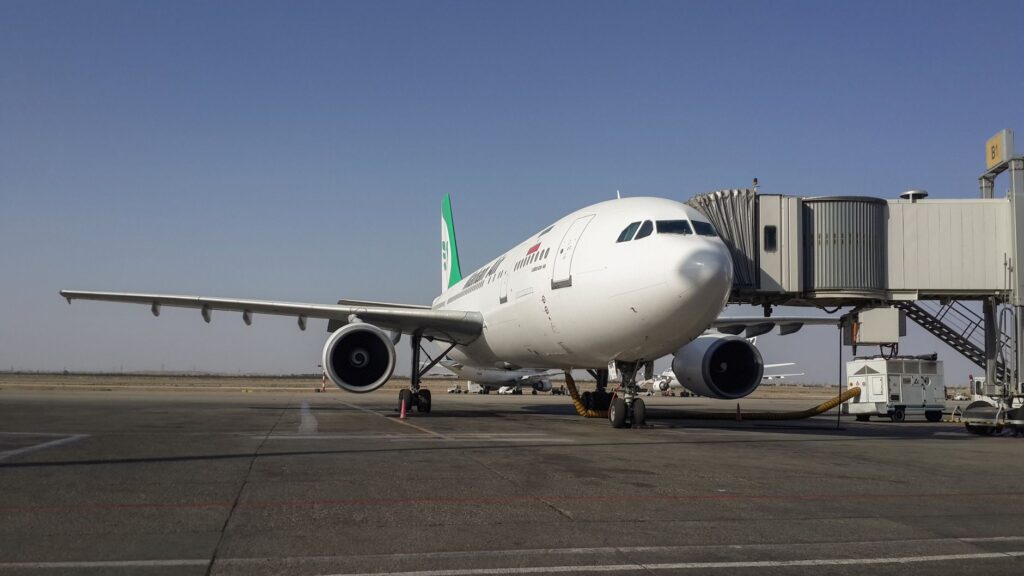
The United States government has announced a sweeping set of financial restrictions directed at the commercial aviation sector in Iran. This latest initiative falls under a targeted government effort designed to isolate the Iranian economy further. By focusing on carriers that previously avoided punitive measures, authorities aim to diminish the financial capabilities of the administration in Tehran as broader geopolitical tensions continue to escalate.
Targeting Remaining Carriers
Previous regulatory actions had already restricted numerous major entities within the country. However, this recent directive closes remaining gaps by addressing all domestic airline operators that had thus far managed to evade direct penalties. Officials maintain that these commercial fleets frequently serve strategic military and logistical purposes, thereby justifying the expanded scope of the restrictive policies.
Broader Economic Implications
Global markets have responded sensitively to the ongoing developments in the Middle East, particularly regarding energy supplies. Crude oil prices have experienced upward pressure as analysts monitor the potential disruption of trade routes and transport networks. The combination of trade restrictions and rising energy costs creates a complex environment for international commerce and diplomatic relations.
Strategic Objectives
Financial authorities continue to evaluate the effectiveness of broad economic isolation strategies. By systematically limiting access to global aviation networks, policymakers intend to curtail the movement of personnel and material resources associated with destabilizing activities in the region. The broader campaign seeks to compel a shift in state policies through sustained financial leverage.
Future Outlook
As the situation unfolds, international observers will closely track the impact of these measures on domestic mobility and commerce within the affected nation. The interplay between energy markets, transport restrictions, and diplomatic negotiations remains a central focus for global stability moving forward.