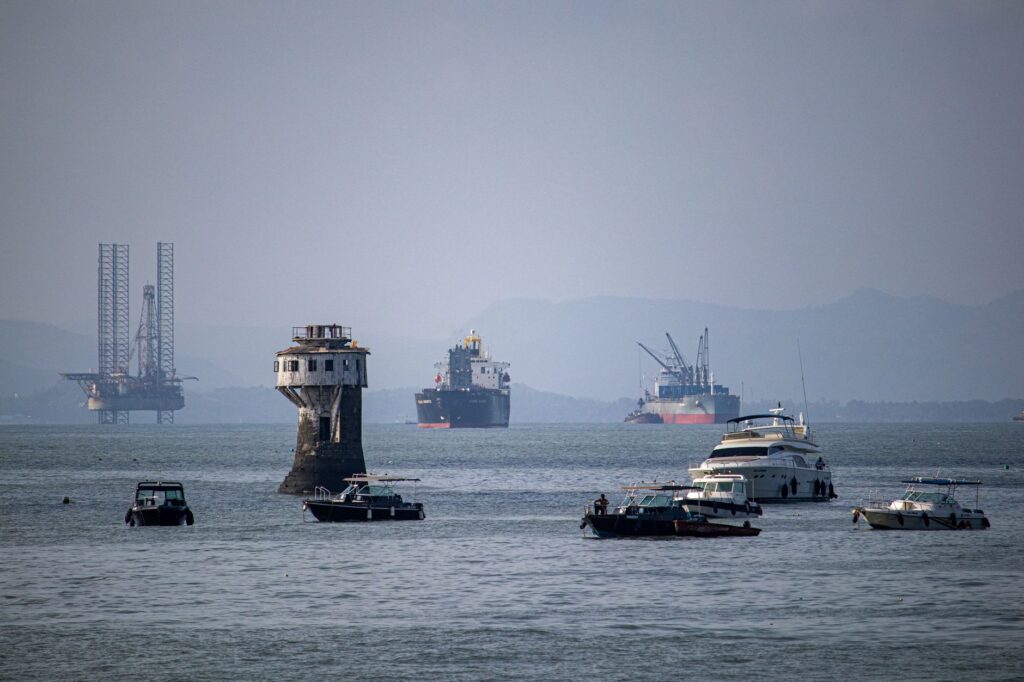

Rising Crude Oil Prices and the Global Impact
Global energy markets are experiencing heightened volatility as geopolitical tensions in West Asia continue to escalate. Market data indicates a significant upward movement in benchmark crude prices, which are rapidly approaching the psychological threshold of one hundred dollars per barrel. This sudden surge is primarily driven by mounting concerns over potential supply disruptions originating from a critical energy-producing region.
Energy analysts and market participants are closely monitoring the situation as supply anxieties take center stage. The ongoing conflict has created a climate of uncertainty regarding the safe transit of petroleum shipments through vital maritime trade routes. Consequently, major commodities trading desks have adjusted their pricing models to reflect a higher risk premium on physical deliveries.
Impact on the Indian Economy
As one of the world’s leading consumers and importers of crude petroleum, the South Asian nation is particularly vulnerable to international price shocks. The escalating cost of energy imports directly threatens the country’s macroeconomic stability, potentially widening the current account deficit and increasing inflationary pressures across domestic markets.
State-owned and private refiners rely heavily on overseas purchases to satisfy domestic petroleum consumption. When global benchmarks climb rapidly, the financial burden transferred to the national treasury becomes substantial. A higher expenditure on imported energy inevitably restricts government fiscal flexibility and may necessitate difficult policy decisions regarding retail fuel pricing.
Market Movements and Benchmark Figures
Recent trading sessions have highlighted the dramatic nature of the price escalation. Brent futures registered a notable increase of over two percent, bringing valuations close to ninety-nine dollars per barrel. Simultaneously, the United States benchmark, West Texas Intermediate, advanced by approximately three percent to trade near ninety-four dollars per barrel.
These figures demonstrate a broad-based rally across international petroleum exchanges. Traders are pricing in worst-case scenarios where regional hostilities might impair production facilities or block vital shipping corridors for an extended duration. The persistence of these elevated price levels will depend heavily on diplomatic interventions and the security situation on the ground.
Future Outlook for Energy Consumers
Looking ahead, policymakers and industry leaders face significant challenges in mitigating the economic fallout from expensive energy imports. Diversifying supply sources and accelerating investments in alternative energy infrastructure remain critical long-term strategies for reducing structural dependence on foreign oil.
In the immediate term, however, the domestic economy must absorb the shock of higher procurement costs. Consumers and businesses alike may experience secondary price effects as transportation and manufacturing expenses adjust to the new reality of expensive crude oil.