
Cultural Traditions and Dietary Practices
Recent discussions surrounding traditional food habits during major religious festivals have sparked significant debate among public figures. The conversation centers on regional customs, culinary heritage, and the cultural practices associated with major celebrations. As different viewpoints emerge, community leaders and commentators continue to share their perspectives on how these festivals should be observed.
The Controversy Surrounding Durga Puja Food Habits
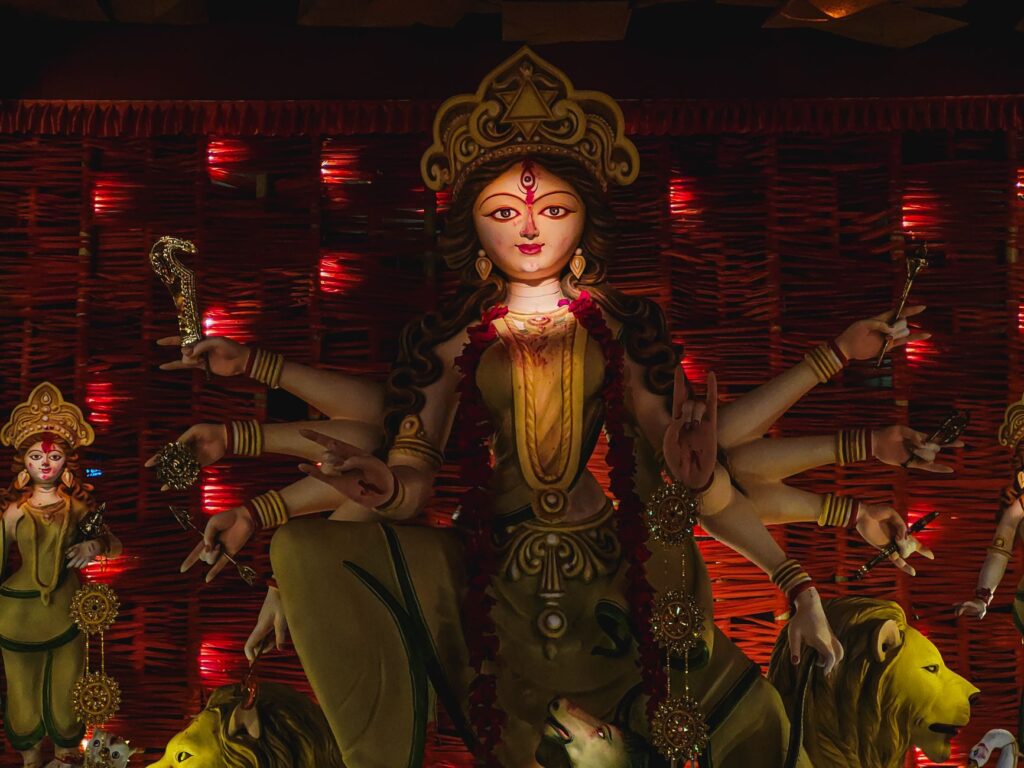
The discussion gained momentum after comments made by Bageshwar Dham chief Dhirendra Krishna Shastri regarding the restriction of non-vegetarian food near Durga idols during Durga Puja celebrations. These remarks touched upon traditional observances and prompted swift reactions from various political and cultural figures in the region.
Reactions from Political and Cultural Figures
State BJP president Samik Bhattacharya and economic commentator Sanjeev Sanyal both weighed in on the remarks. Sanyal issued a strong response emphasizing that meat is an essential part of the cultural fabric of the celebrations. He noted that such external interference in long-standing regional dietary practices will not be welcomed or tolerated by the community.
Preserving Regional Heritage
Observers point out that festivals like Durga Puja carry diverse regional traditions that have evolved over centuries. Food plays a central role in these festivities, reflecting local history and cultural identity. Attempts to standardize dietary restrictions across different regions often lead to debates over autonomy and cultural preservation.
Looking Ahead
The ongoing discourse highlights the delicate balance between religious commentary and local cultural freedom. As communities continue to observe their traditions, leaders from various spheres emphasize the importance of respecting diverse practices without imposing external mandates on age-old celebrations.