
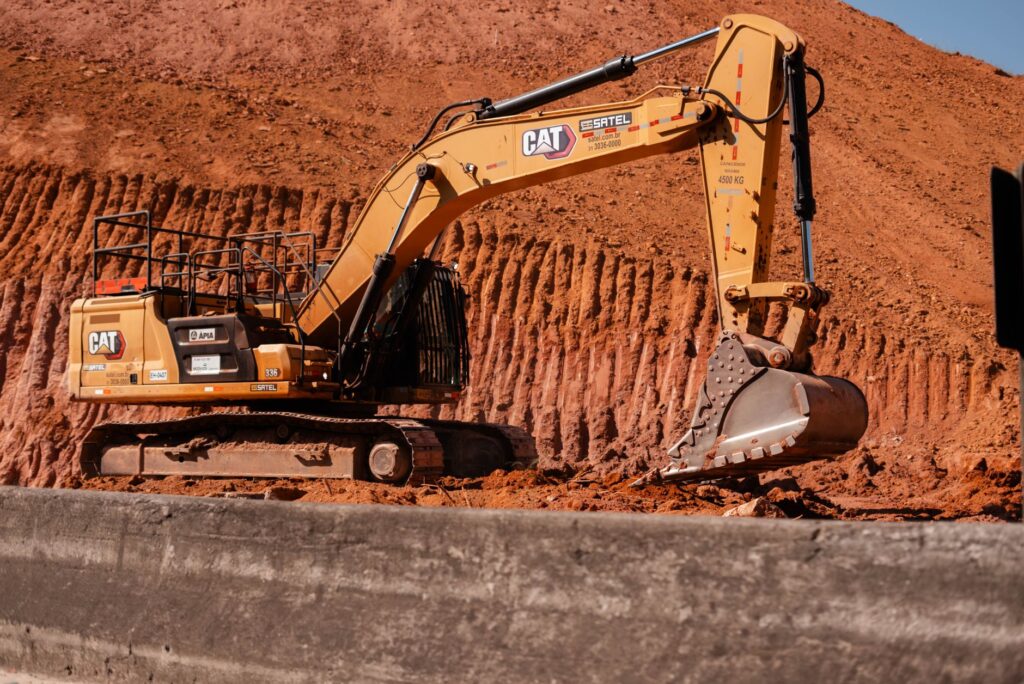

The industrial sector is currently witnessing a profound transformation in how major equipment manufacturers generate revenue. For decades, companies like Caterpillar were tightly bound to the ebbs and flows of traditional construction cycles. When building slowed down, financial performance typically followed suit. However, recent market dynamics reveal a significant departure from this historical pattern, driven overwhelmingly by surging demand for robust power generation systems.
Power Generation Takes Center Stage
Recent financial disclosures indicate that the power generation backlog for the heavy machinery giant has climbed to an unprecedented seventy-two billion dollars. This massive accumulation of unfilled orders highlights a fundamental shift in the company business model. While earthmoving equipment and traditional building machinery remain core offerings, they no longer dictate the entire growth trajectory of the enterprise.
The exponential rise in global energy consumption is the primary catalyst behind this backlog surge. Modern infrastructure, particularly data centers required for advanced computing and cloud services, demands continuous, reliable electricity. Electrical grid limitations in many regions have forced technology companies and commercial developers to seek independent power solutions. As a result, industrial generator sets and turbine systems have become some of the most sought-after assets in the global marketplace.
Decoupling From Traditional Construction Cycles
Historically, an economic slowdown in residential or commercial real estate development spelled trouble for heavy machinery producers. Investors closely monitored housing starts and infrastructure spending bills to gauge future corporate earnings. Today, that correlation is weakening substantially. The sheer volume of energy infrastructure demand creates a stabilizing buffer that can offset softer periods in the traditional construction sector.
Energy demands from emerging technological sectors operate on a completely different timeline than standard building projects. Data infrastructure requires massive, uninterrupted power supplies immediately upon completion, regardless of broader real estate trends. Consequently, the manufacturing lines dedicated to electrical power production are operating at peak capacity, fulfilling orders that span multiple years into the future.
Supply Chain and Production Scaling
Managing a backlog valued at seventy-two billion dollars presents unique operational challenges. Manufacturing facilities must balance the need for rapid output with stringent quality control standards. Component sourcing, specialized labor availability, and advanced testing procedures are all critical elements in delivering these high-capacity power systems on schedule.
Industry analysts note that scaling production for heavy electrical equipment requires significant capital expenditure and long-term planning. Unlike smaller consumer goods, industrial generators and backup power units involve complex engineering processes. Ensuring a steady flow of raw materials is essential to converting this massive order backlog into realized revenue over the coming reporting periods.
Implications for the Industrial Sector
This trend signals a broader evolution within the heavy manufacturing industry. Companies that successfully pivot toward high-demand energy solutions are better positioned to weather macroeconomic volatility. The ability to supply reliable electricity in an era of grid congestion is emerging as a primary competitive advantage for industrial conglomerates.
Furthermore, this development alters how market participants evaluate the long-term outlook of traditional manufacturing giants. Valuation models that once relied heavily on cyclical construction indicators now incorporate the steady, predictable cash flows generated by long-term energy contracts and service agreements.
Looking Ahead
As global demand for continuous power continues to accelerate, the gap between traditional machinery sales and energy equipment revenue is likely to widen. The seventy-two billion dollar backlog serves as a clear indicator that the future of heavy industry is increasingly intertwined with global energy infrastructure. For major equipment producers, the ability to power the digital and physical world has officially eclipsed the traditional building cycle as the main driver of long-term success.