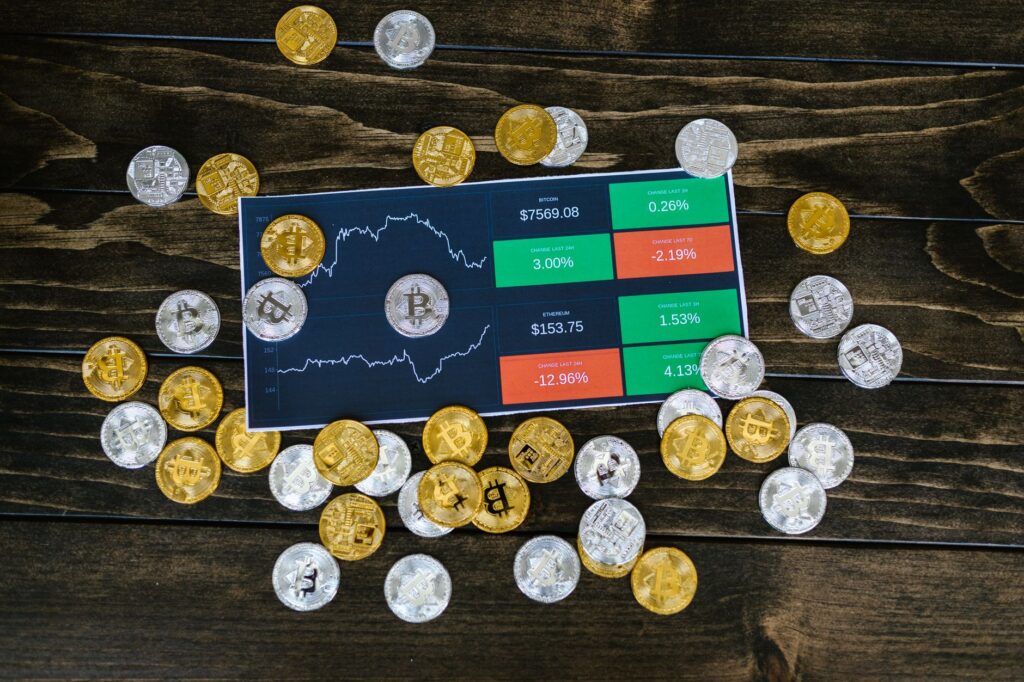

Precious metals experienced a significant downward correction recently, driven by robust employment figures from the United States that reignited concerns over potential interest rate increases. Both gold and silver faced heavy selling pressure, causing many market participants to reassess their short-term positioning. As macroeconomic indicators continue to dictate market direction, traders and long-term holders are carefully evaluating their next moves in the commodities sector.
Market Reaction to US Employment Figures
The recent employment report from the United States revealed stronger-than-expected job growth. This robust economic performance signaled persistent economic resilience, which immediately shifted market sentiment regarding monetary policy. Higher employment figures typically suggest that the central bank may maintain or even increase borrowing costs to curb potential inflationary pressures. Consequently, non-yielding assets like gold and silver lost some of their immediate appeal, prompting a swift retreat in prices.
Gold prices recorded a notable decline, dropping by approximately 3,600 rupees per 10 grams. Meanwhile, silver followed a similar downward trajectory, shedding around 6,000 rupees per kilogram. This synchronized correction highlights the sensitivity of precious metals to incoming macroeconomic data, particularly employment and inflation metrics from major global economies.
Technical Outlook and Trading Ranges
Market analysts and commodity experts have observed that both gold and silver are currently consolidating within a broader sideways trend. While the recent sell-off was sharp, prices have found temporary stabilization near crucial technical boundaries. Specialists have mapped out specific support and resistance zones that are expected to dictate price movements in the near future.
For gold, traders are closely monitoring key support levels to determine if the metal can defend its recent losses or if further downside is likely. Resistance barriers remain formidable, capping any immediate recovery attempts. Silver is exhibiting similar technical patterns, with analysts pointing to established trading bands that will likely contain price fluctuations until fresh catalysts emerge from the broader financial markets.
What Investors Should Do Now
With precious metals trading under heightened volatility, investors are left pondering whether to buy the dip, sell their holdings, or adopt a wait-and-see approach. Financial advisors emphasize that strategy depends heavily on individual risk tolerance and investment horizons. Short-term traders may find opportunities within the established intraday ranges, while long-term investors often view market corrections as accumulation phases.
All eyes are now turned toward upcoming economic releases, particularly the forthcoming US inflation data and the impending meeting of the Federal Reserve in September. These scheduled events are expected to provide definitive guidance on the future trajectory of interest rates. Until these monetary policy cues are officially delivered, bullion prices are anticipated to remain sensitive to incoming data, maintaining a cautious and sideways trajectory across global commodity exchanges.