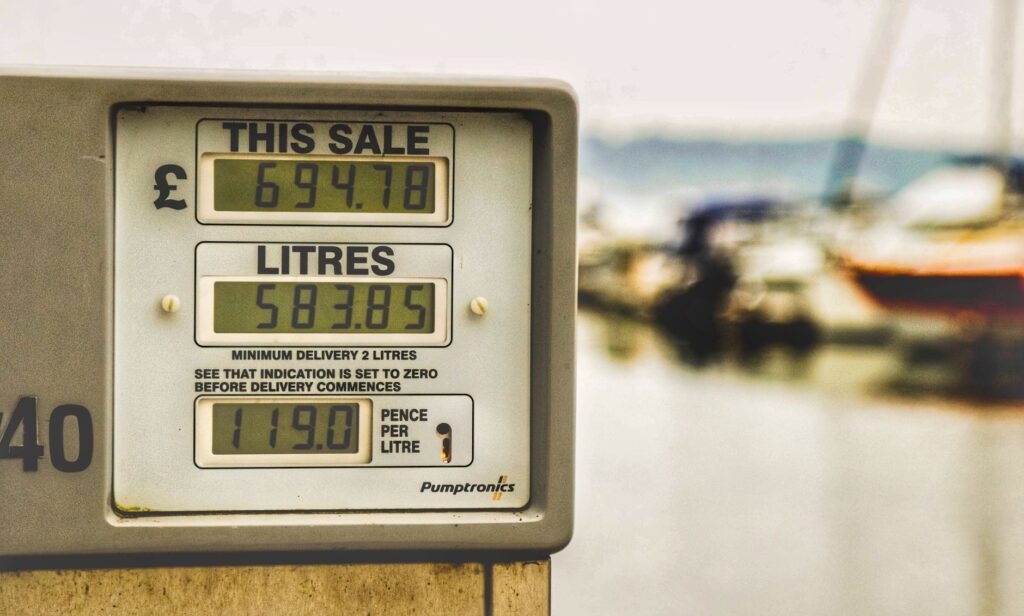

Crude oil prices continued their upward trajectory following reports of maritime skirmishes involving naval forces from the United States and Iran. Market analysts are closely monitoring the situation as escalating tensions in key shipping corridors raise concerns about potential crude supply disruptions.
Introduction to Market Movements
The energy sector experienced immediate upward momentum as news of the vessel strikes broke across international newswires. Both major benchmark contracts registered noticeable gains during early trading sessions, reversing some of the downward pressure seen in previous weeks. Traders immediately began reassessing geopolitical risk premiums associated with Middle Eastern supply routes.
Geopolitical Risks and Shipping Lanes
Maritime security in the region remains a critical factor for global energy distribution. Key chokepoints facilitate the transit of a significant percentage of the world’s petroleum supply. Any military engagement or escalation between major state actors in these vital waters immediately triggers anxiety regarding trade safety and vessel transit.
Energy analysts point out that the physical flow of barrels has not yet been formally halted, but the psychological impact on the commodities market is profound. When naval altercations occur near critical petroleum routes, market participants routinely price in a higher probability of extended shipping disruptions.
Supply and Demand Fundamentals
Beyond immediate geopolitical developments, the broader supply and demand balance continues to influence market direction. OPEC and its international allies maintain active production quotas, while non-cartel producers evaluate their output levels in response to fluctuating price environments. However, sudden security events often overshadow baseline economic data in the short term.
Refineries and industrial consumers are advised to prepare for potential volatility. Insurance premiums for tankers traversing the affected zones are expected to rise, which could indirectly add to the landed cost of crude regardless of whether production volumes remain steady.
Outlook for Global Markets
Looking ahead, market sentiment will likely remain sensitive to any official updates from military and government spokespersons regarding the maritime incidents. Traders will watch for signs of de-escalation or further retaliatory actions that could impact commercial vessel movement.
In summary, the recent price extension highlights the vulnerability of global energy markets to sudden geopolitical shocks. As long as tensions persist near vital maritime trade lanes, crude futures are expected to experience heightened volatility and strong downside support.