
Background and Context
Recent developments in the Middle East have brought heightened attention to maritime security in the Strait of Hormuz. International shipping lanes and naval operations in this vital waterway face continuous scrutiny as regional tensions fluctuate. Governments and defense ministries monitor every movement closely to ensure commercial and military vessels navigate safely.
The alleged incident in the Persian Gulf region sparked immediate global interest. Reports circulated regarding an attack on a United States vessel operating near the critical maritime choke point. Such events immediately draw the focus of international defense analysts who track potential escalations in the region.
United States Military Response
American defense officials quickly stepped forward to address the circulating reports. Representatives for the United States military explicitly rejected the claims made by Iranian authorities regarding the alleged strike on an American vessel.
According to official statements, no such attack occurred involving United States naval assets in the vicinity of the Strait of Hormuz. Defense spokespersons maintained that operations in the area proceeded without interference or hostile engagement of the nature described in the Iranian reports.
Previous Retaliatory Actions
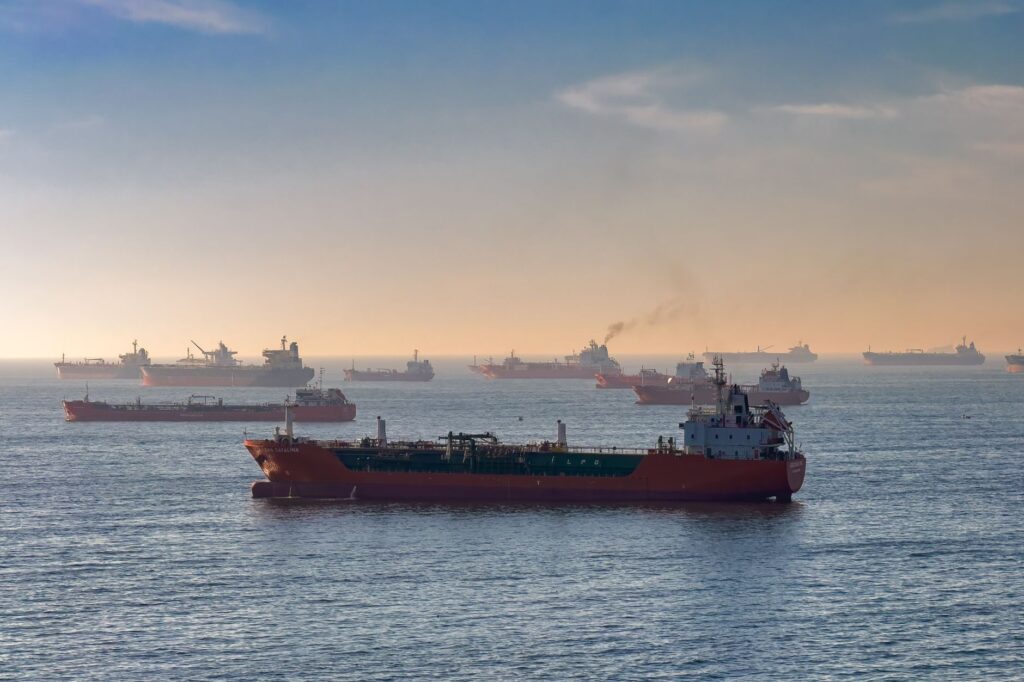
The dispute over the Strait of Hormuz followed a series of significant military exchanges in the region. Just one day prior to the reported maritime incident, the United States military announced targeted operations against three Iranian oil tankers.
Defense officials explained that those strikes served as a direct retaliatory measure following hostile actions directed at American Navy warships operating in regional waters. The United States government maintains a firm policy of protecting its naval personnel and assets against any threats in international and regional waters.
Implications for Regional Stability
The ongoing friction highlights the fragile security environment surrounding critical energy transit routes. The Strait of Hormuz remains one of the most important petroleum transit chokepoints in the world, making stability in the area essential for global markets.
Diplomatic and military observers continue to watch the situation closely to gauge the potential for further escalation. Both regional and international actors emphasize the need for open communication channels and adherence to international maritime laws to prevent misunderstandings that could lead to broader conflicts.