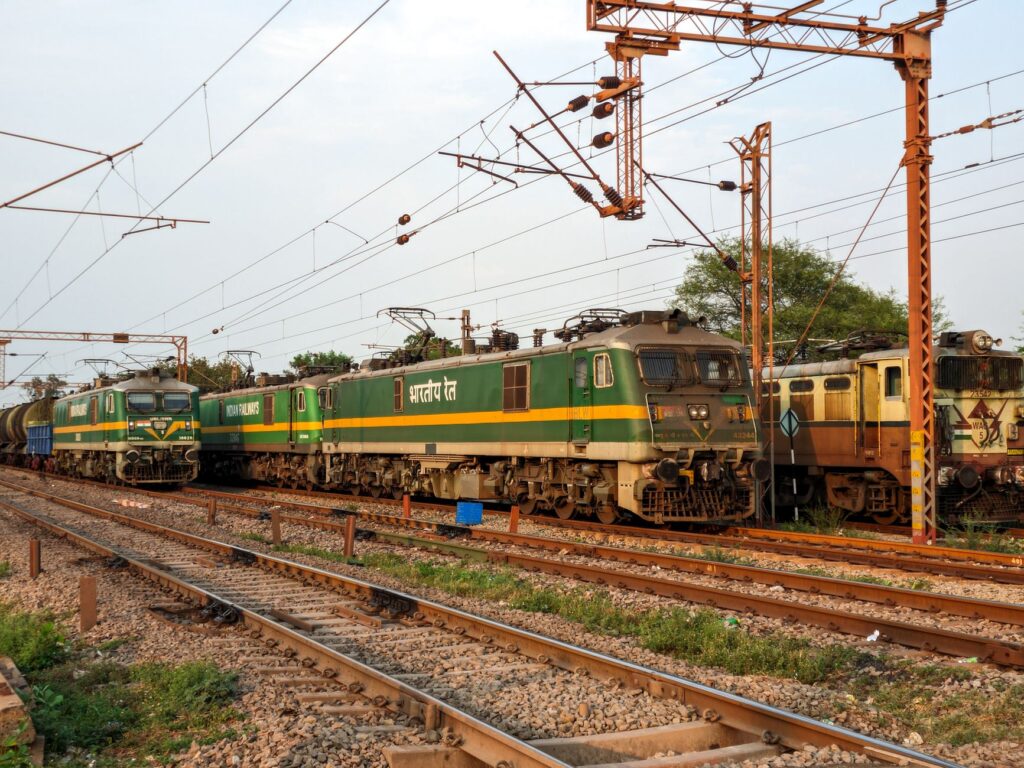

Introduction to India’s Hydrogen Train Initiative
Indian transport authorities are actively working on expanding eco-friendly travel options across the national network. A major focus is currently placed on introducing advanced hydrogen-powered locomotives. These modern vehicles represent a significant step toward reducing carbon emissions and modernizing public transportation infrastructure.
Testing and Performance Capabilities
Recent evaluations highlight the impressive speed capabilities planned for these alternative-fuel vehicles. Engineers and transportation planners project that these innovative locomotives will reach speeds of up to 110 kilometers per hour during regular operations. This performance ensures that eco-friendly travel does not compromise on speed or efficiency for daily commuters and travelers.
Route Exploration and Stakeholder Consultations
Selecting appropriate corridors for these specialized vehicles requires careful planning and coordination. Transport officials are currently engaged in comprehensive discussions with industry experts, regional authorities, and various stakeholders. These consultations aim to identify the most suitable tracks where hydrogen propulsion can deliver maximum operational benefits.
Securing the Hydrogen Fuel Supply Chain
Operating alternative-fuel fleets successfully depends heavily on reliable and consistent energy resources. Transportation planners are thoroughly assessing the technical requirements needed to establish a steady and secure supply of hydrogen fuel. This involves evaluating production facilities, storage infrastructure, and refueling logistics along the designated corridors to guarantee seamless daily operations.
Future Outlook for Sustainable Rail Transport
The integration of hydrogen technology marks a transformative milestone for the national transport sector. By transitioning away from conventional fossil fuels toward clean energy alternatives, the system moves closer to achieving long-term environmental goals. Continued investments in research, infrastructure, and strategic route planning will ultimately pave the way for a cleaner and more efficient future in rail travel.