
Strategic Leadership in Aerospace Innovation
The commercial aerospace industry is experiencing a period of unprecedented transformation. As international competition intensifies, aerospace firms face mounting pressure to innovate rapidly while maintaining operational safety and economic viability. Industry analysts continuously evaluate the strategies required for leading organizations to maintain their competitive edge in this high-stakes environment.
Market dominance in the modern era relies heavily on technological agility and infrastructure scalability. Companies operating within this sector must balance ambitious long-term goals with immediate logistical demands. Evaluating the current landscape reveals distinct operational pathways that can secure lasting success for pioneering aerospace enterprises.
Accelerating Technological Development
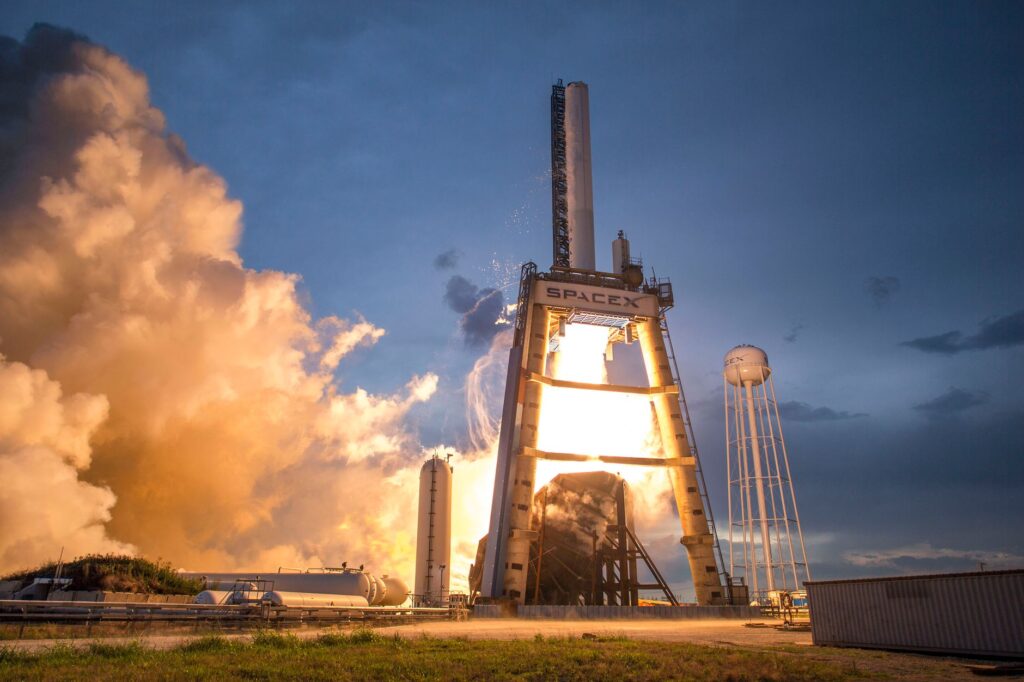
The first critical pathway involves significantly accelerating research and development cycles. Rapid prototyping and iterative testing have long served as core methodologies for forward-thinking aerospace organizations. By streamlining the transition from conceptual design to physical testing, engineers can identify potential flaws and optimize performance metrics much earlier in the production lifecycle.
This rapid cadence allows organizations to adapt to shifting regulatory frameworks and emerging market demands with minimal friction. Furthermore, continuous refinement of manufacturing processes helps drive down operational expenses. Scalability depends on the ability to produce advanced components efficiently without compromising structural integrity or mission safety.
Expanding Global Infrastructure
The second essential strategy focuses on broadening global infrastructure and strategic partnerships. Establishing a robust network of launch facilities, tracking stations, and supply chain alliances ensures greater mission reliability and operational redundancy. Diversifying operational sites minimizes geographical vulnerabilities and enhances scheduling flexibility.
Collaborating with international allies and commercial partners also opens new avenues for revenue generation and shared technological advancement. As orbital traffic management and space sustainability become increasingly pressing concerns, proactive engagement in global infrastructure development positions an organization as an industry standard-bearer.
Navigating Future Challenges
Sustaining leadership in the aerospace sector requires continuous adaptation to external pressures. Economic fluctuations, geopolitical shifts, and environmental considerations all impact long-term strategic planning. Organizations that remain disciplined in their execution while remaining flexible in their approach are best equipped to handle these variables.
The trajectory of modern commercial space exploration hinges on disciplined execution and visionary leadership. By focusing on rapid technological iteration and expansive infrastructure development, leading aerospace enterprises can solidify their market position and shape the future of global commerce beyond Earth.