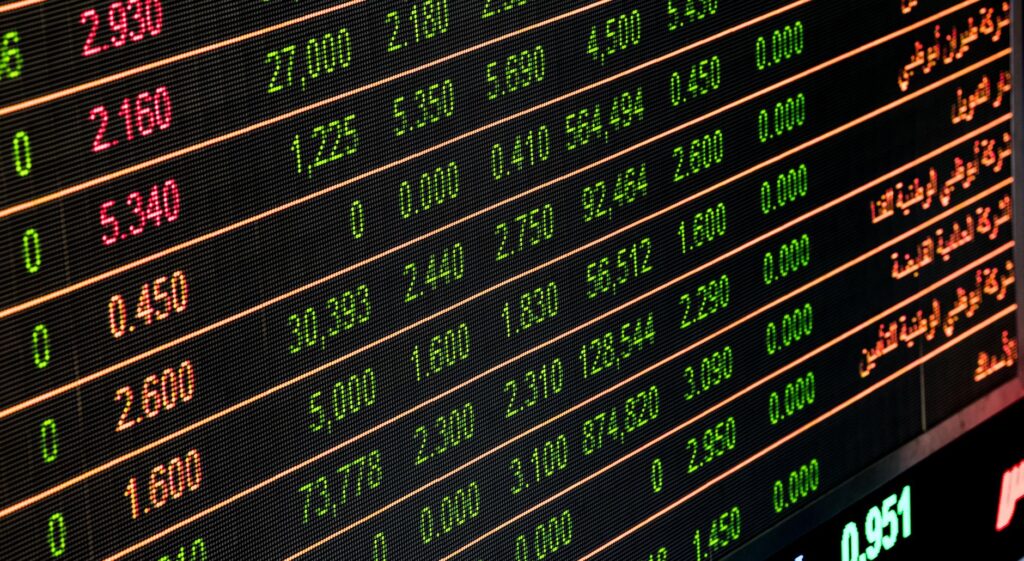

Gulf stock markets finished the trading session with mixed results recently, as investors closely monitored escalating geopolitical tensions involving the United States and Iran. While certain regional indexes managed to secure modest gains supported by solid corporate earnings and domestic economic resilience, others experienced downward pressure driven by heightened risk aversion.
Geopolitical Uncertainty and Market Sentiment
Financial markets across the Middle East frequently react to shifts in regional stability. The lingering friction between Washington and Tehran introduced a layer of volatility that prompted many institutional investors to adopt a cautious stance. Market participants weighed the potential economic implications of heightened security concerns against existing macroeconomic fundamentals within the Gulf Cooperation Council economies.
Performance Across Key Regional Exchanges
Trading activity varied significantly from one exchange to another. Major bourses in the region experienced divergent paths as buyers and sellers balanced local opportunities against broader international risks. Heavyweight stocks in the banking and energy sectors played a crucial role in determining the direction of individual indices, reflecting distinct investor priorities across different financial centers.
Energy Markets and Investor Outlook
Crude oil prices remained a central focus for traders navigating the current geopolitical landscape. Energy market dynamics heavily influence fiscal revenues and corporate profitability throughout the region. Consequently, fluctuations in global oil benchmarks dictated much of the intraday movement across Gulf equities.
Looking Ahead
Market analysts suggest that regional equities will likely remain sensitive to headline developments concerning international diplomacy and security in the coming sessions. Investors are advised to maintain diversified portfolios and closely monitor both macroeconomic indicators and geopolitical updates as conditions continue to evolve.