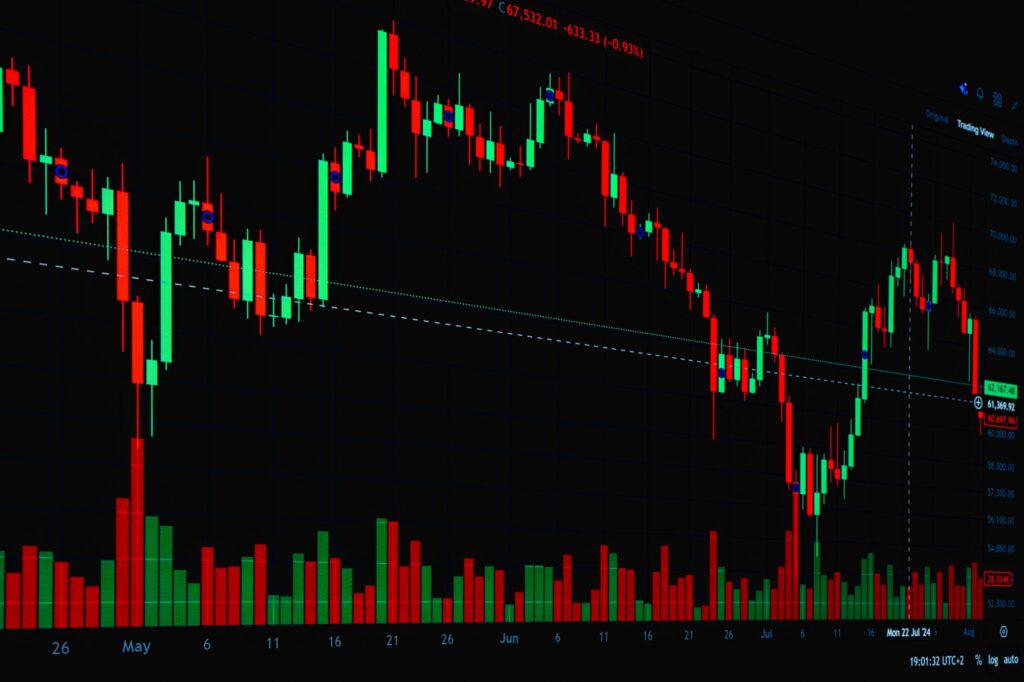

Understanding Stock Market Action Today
Navigating the complexities of modern financial exchanges requires careful observation of both domestic movements and global economic indicators. As equity benchmarks experience sideways trading environments, market participants must look beyond headline numbers to uncover underlying sector momentum. A thorough examination of recent closing figures reveals a market searching for definitive direction, balancing corporate developments against broader macroeconomic pressures.
The previous trading session concluded with modest gains for major Indian benchmark indices. The Sensex managed an upward movement of 363 points, while the Nifty finished just below the 23,898 mark. Although these figures indicate a positive bias, the subdued closing levels highlight a cautious sentiment among institutional and retail investors alike. Rather than aggressive directional bets, market activity was characterized by selective stock picking and sector rotation.
Global Cues and International Markets
International developments continue to exert a profound influence on domestic equity performance. Overseas market sentiment sets the tone for early morning trades, particularly when foreign institutional investors adjust their portfolios based on geopolitical events and currency fluctuations. Wall Street performances, Asian market openings, and European economic updates are vital reference points for domestic traders trying to anticipate opening volatility.
Beyond general international trends, currency stability plays a pivotal role in shaping trading sessions. Movements in the exchange rate between the local currency and the US dollar directly impact foreign fund flows. A strengthening dollar often triggers capital outflows from emerging markets, putting pressure on large-cap stocks. Conversely, a stable or recovering local currency helps restore confidence and supports sustained buying interest across key financial segments.
US Economic Data and Inflation Reports
Macroeconomic releases from the United States remain central to the decision-making process for global investors. Reports detailing employment figures, retail sales, and consumer price indices dictate the expected trajectory of central bank monetary policies. When inflation data runs hotter than anticipated, expectations of interest rate adjustments shift rapidly, sending ripples through international equity markets.
Domestic inflation metrics carry equal weight in determining market direction. Consumer price index readings and wholesale price inflation numbers guide the central bank in its monetary policy stance. Investors closely analyze these reports to gauge potential impacts on borrowing costs, consumer spending power, and corporate profit margins. Sectors heavily reliant on consumer credit, such as automotive and real estate, are particularly sensitive to these inflation-driven updates.
Sectoral Performance and Stock-Specific Drivers
In the absence of a strong macroeconomic trend, market activity frequently shifts toward individual corporate developments. Earnings announcements, management guidance updates, and regulatory approvals generate significant intraday volatility for specific counters. Traders often capitalize on these company-specific catalysts, leading to divergent performances across various industry segments.
Banking and financial services continue to attract heavy trading volume due to their significant weightage in benchmark indices. At the same time, information technology, fast-moving consumer goods, and energy sectors experience periodic waves of buying and selling. Monitoring the relative strength of these distinct industry pillars helps participants identify emerging trends and position their portfolios effectively.
Conclusion and Investor Strategy
Successful navigation of current market conditions demands patience and a disciplined approach to risk management. With benchmarks trading in a range-bound manner, investors should focus on fundamental strength and balance sheet resilience rather than chasing short-term momentum. By keeping a close eye on global cues, inflation updates, and corporate earnings, market participants can better position themselves for the next major directional move.