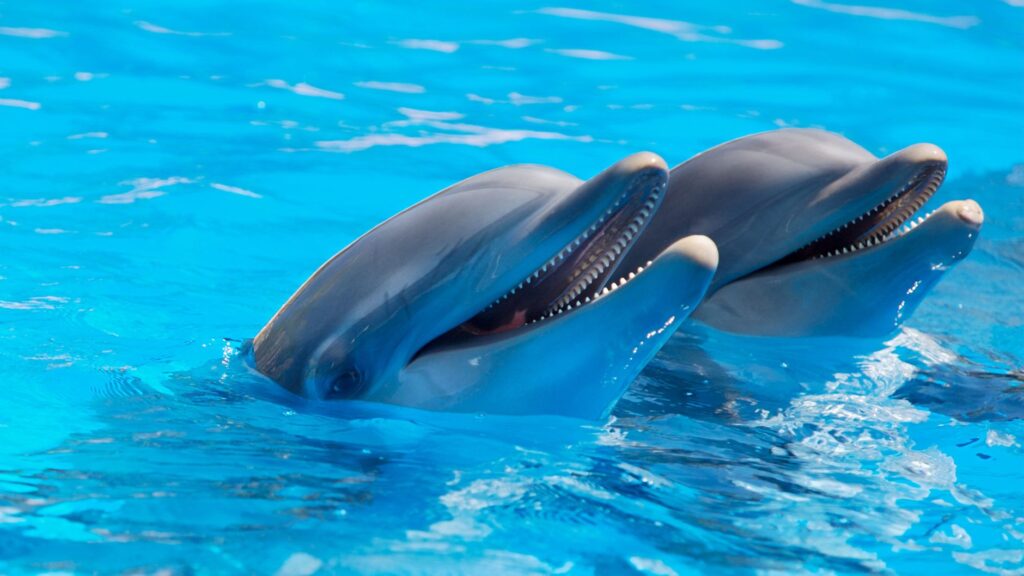

Young minds often possess the most creative solutions to complex environmental challenges. Across the globe, students are increasingly applying scientific principles to address pressing ecological issues. One remarkable example comes from the state of Virginia, where a middle school student has developed a novel approach to marine conservation. Her work highlights how education and early scientific engagement can drive meaningful change for vulnerable species.
Understanding the Threat to Marine Life
Coastal ecosystems and marine animals face numerous pressures from human activity every day. In regions with heavy maritime traffic, marine mammals encounter significant dangers. Commercial shipping, recreational boating, and industrial activities create hazards that disrupt natural marine behaviors and pose physical risks to these animals. Addressing these hazards requires innovative thinking and a deep understanding of marine ecology.
Introducing Dolphin Guard
To tackle this problem, Ishanvi Sakharpe created an award-winning initiative known as Dolphin Guard. As a sixth-grade student in Virginia, she designed the project with a specific mission in mind: to mitigate the various dangers that dolphins encounter in heavily trafficked waters. Her research and design focus on finding practical ways to balance human water usage with the safety and preservation of marine wildlife.
The Science Behind the Innovation
Scientific inquiry often begins with careful observation and a desire to make a difference. By examining how dolphins navigate their environments and where they most frequently intersect with human vessels, the young inventor formulated her concept. The project combines principles of environmental science, observation, and problem-solving to propose actionable safety measures for marine habitats.
Inspiring the Next Generation of Conservationists
Stories of youth-led innovation demonstrate the profound impact of encouraging children to pursue science, technology, engineering, and mathematics. When students are empowered to investigate real-world problems, they frequently develop solutions that challenge conventional thinking. Initiatives like Dolphin Guard serve as an inspiration for other young learners to observe their surroundings, ask critical questions, and apply scientific methods to protect the natural world.
Looking Toward a Sustainable Future
The recognition received by this sixth-grade student underscores the importance of supporting youth-driven environmental projects. As human populations continue to grow and maritime activity increases, protecting marine ecosystems remains a critical priority. Through continued dedication, education, and innovative scientific research, the next generation is well-equipped to champion the preservation of our oceans and the magnificent creatures that inhabit them.