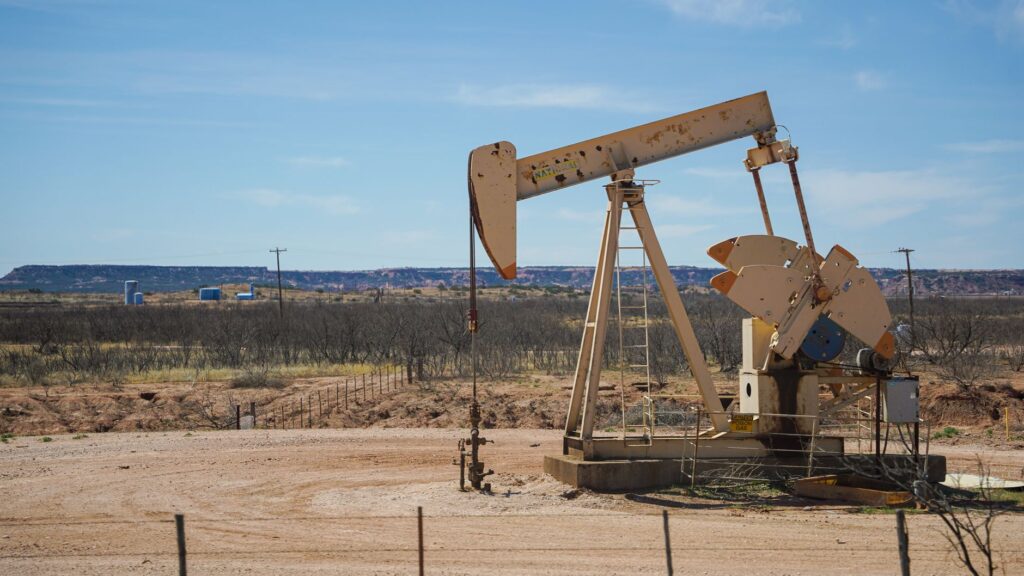

Crude oil markets are currently experiencing a significant upward trajectory, bringing prices remarkably close to the major psychological milestone of one hundred dollars per barrel. This sharp market movement is primarily fueled by rising diplomatic and political friction between the United States and Iran, which has heightened concerns regarding potential disruptions to vital global petroleum shipping routes.
Understanding the Current Market Drivers
Although the fundamental physical supply of petroleum remains entirely intact and operational in the global market, financial traders and commodity investors are actively pricing in a substantial risk premium. This market behavior stems directly from fears that escalating hostilities could soon impact the smooth flow of energy commodities originating from key exporting regions.
The Strategic Importance of the Strait of Hormuz
At the center of these mounting market anxieties is the critical maritime chokepoint known as the Strait of Hormuz. A vast percentage of the world’s daily petroleum supply travels through this narrow passage, making it an indispensable artery for international energy commerce.
Any sudden restriction, blockade, or military interference in this strategic corridor would instantly constrain global energy distribution. Consequently, even without an immediate physical shortage of petroleum, the mere possibility of transit blockages is enough to drive commodity values upward as market participants seek to hedge against future volatility.
Expert Analysis on Future Price Movements
Market analysts and commodity research experts have been closely monitoring these developments to determine whether current price levels are sustainable or if further escalation is likely. According to insights provided by Hareesh V of Geojit Investments, the trajectory of petroleum values will depend heavily on how the diplomatic and security situation evolves in the coming weeks.
While the baseline supply and demand metrics do not currently justify extreme pricing spikes based purely on inventory levels, the geopolitical risk factor introduces a high degree of unpredictability. Analysts suggest that if tensions between Washington and Tehran continue to deteriorate, the psychological barrier of one hundred dollars per barrel could easily be breached.
Implications for Global Economies and Consumers
As energy commodities climb toward the one hundred dollar threshold, the broader economic ramifications begin to multiply. Higher petroleum costs translate directly into elevated transportation expenses, increased manufacturing overhead, and ultimately higher retail prices for everyday goods and services.
Central banks and financial policymakers worldwide monitor energy markets closely during such periods of tension, as persistent high fuel costs can reignite inflationary pressures across multiple economic sectors. For consumers, this translates into steeper fuel at the pump and rising utility bills.
Conclusion on Market Outlook
Ultimately, the path forward for crude oil remains tethered to geopolitical headlines rather than traditional inventory reports. As long as the threat of disruption hangs over critical shipping lanes like the Strait of Hormuz, traders will continue to maintain a defensive posture. Whether prices officially cross into triple-digit territory will depend entirely on diplomatic resolutions or further escalations in the region.