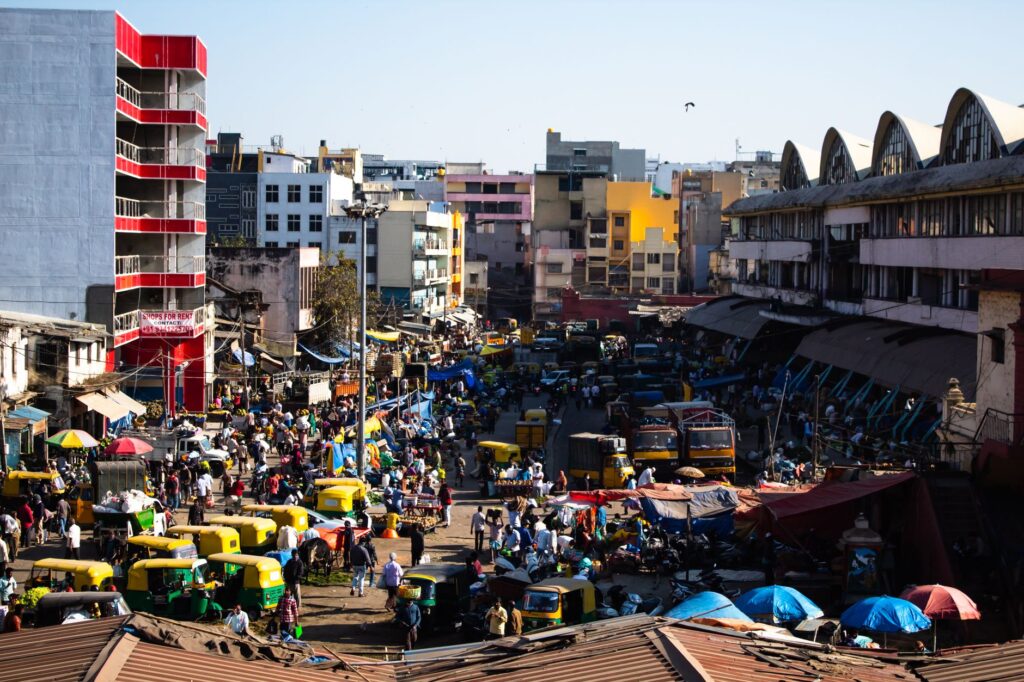

Urban Mobility Challenges in Modern India
Traffic congestion in major metropolitan areas has long been a source of frustration for daily commuters. However, a recent incident in southern India has brought the severity of the issue into sharp focus. A local resident shared a video detailing his exhausting journey to the regional airport, which took an entire two hours to complete.
The scale of the delay became even more striking when he realized that the exact same duration was required to complete a fifteen hundred kilometer flight by the passenger he intended to pick up at the terminal. This stark contrast between air travel speed and ground transit delays quickly drew significant attention across digital platforms.
The Reality of Urban Congestion
The viral post resonated deeply with thousands of internet users who experience similar daily hardships navigating the densely populated technology hub. Infrastructure bottlenecks and continuous vehicular growth have transformed routine trips into grueling ordeals. For many professionals living in the region, the commute time often exceeds the actual productivity hours spent at their workplaces.
Transportation experts have repeatedly pointed out that rapid urbanization often outpaces infrastructure development. While public transit projects are underway, the immediate relief for private vehicle owners and cab passengers remains limited. Bottlenecks along key arterial roads leading to the aviation hub continue to disrupt travel schedules on a daily basis.
Reactions and Public Sentiment
The mounting frustration has led many residents to question the long-term viability of living in such congested urban centers. The individual who shared the video explicitly expressed a desire to leave the city altogether, echoing a sentiment shared by a growing number of disillusioned citizens.
Quality of life in major metropolitan areas is increasingly dictated by time spent sitting in gridlock rather than career or personal pursuits. As cities continue to expand economically, addressing the gridlock crisis remains one of the most pressing challenges for urban planners and local authorities alike.