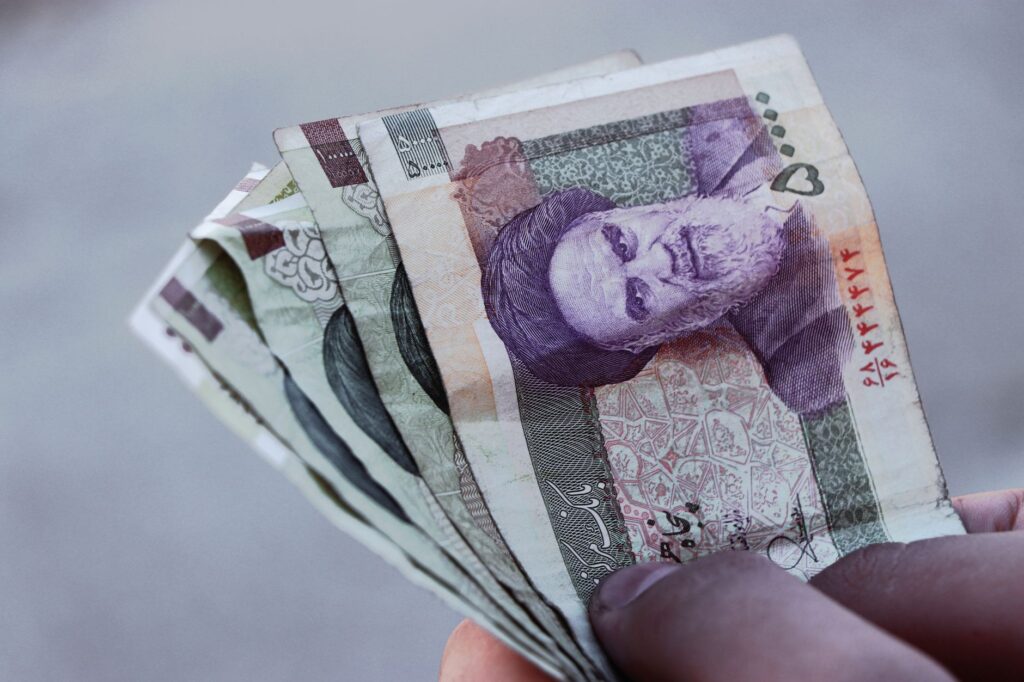

Financial scrutiny has intensified following revelations that massive sums of Iranian capital have successfully moved through American banking networks. This development highlights the persistent challenges regulators face in enforcing strict international financial restrictions. Despite comprehensive embargoes designed to cut Tehran off from the global financial grid, billions of dollars have reportedly traversed accounts held at major U.S. financial institutions.
Understanding the Financial Pathways
The movement of these funds relies on complex transactional webs that often obscure the ultimate origin and destination of the capital. Financial intermediaries across various jurisdictions facilitate these transfers, utilizing loopholes and intricate corporate structures to bypass compliance filters. While U.S. banks maintain rigorous anti-money laundering protocols, determined networks continuously find methods to route funds through authorized channels without triggering immediate alerts.
Regulatory Challenges and Compliance Gaps
Detecting illicit capital remains a monumental task for both regulatory bodies and private compliance officers. The sheer volume of daily transactions processed by major financial institutions creates an environment where sophisticated transfers can blend in with legitimate commerce. Authorities continually update monitoring algorithms, yet financial networks adapt rapidly to circumvent newly implemented barriers, creating a perpetual game of catch-up between regulators and illicit actors.
Broader Economic and Diplomatic Implications
These revelations carry significant diplomatic weight and could prompt renewed pressure on financial institutions to strengthen their oversight mechanisms. Lawmakers and international watchdogs are expected to demand stricter transparency requirements and harsher penalties for banks that inadvertently process restricted funds. As investigations unfold, the focus will likely shift toward closing the persistent gaps that allow state-backed entities to access Western financial infrastructure.