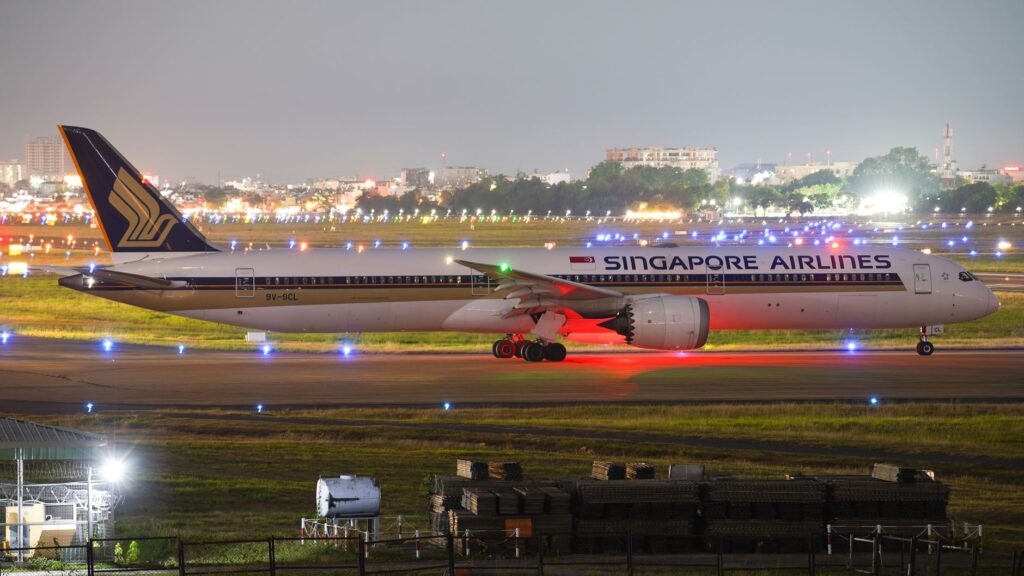

The government of Singapore has made it clear that it will maintain a hands-off approach regarding any strategic choices made by Singapore Airlines Limited concerning its stake in Air India Limited. This stance emphasizes the administrative separation between state oversight and the operational decisions of publicly traded corporate entities.
Background on Corporate Autonomy
Singapore Airlines functions as an independent commercial enterprise with its own board of directors and management protocols. State authorities have consistently maintained that commercial ventures must evaluate market opportunities, risks, and financial commitments based on their own corporate governance frameworks rather than direct governmental intervention.
Air India Capital Requirements
Reports indicate that Air India has been exploring potential financial support and funding options from its primary shareholders to sustain its ongoing expansion and operational turnaround. As a major stakeholder through its parent group, Singapore Airlines faces critical evaluations regarding whether to inject additional capital into the carrier.
Official Government Position
Addressing the matter, representatives for the Singaporean administration affirmed that the established principle is to refrain from interfering in specific business judgments made by commercial carriers. The leadership believes that corporate boards are best positioned to assess the long-term value and commercial viability of international investments without bureaucratic pressure.
Broader Economic Implications
This non-interference policy reinforces Singapore’s commitment to free-market principles and sound corporate governance. By allowing national carriers to navigate global aviation alliances and equity partnerships independently, the country ensures that financial risks and rewards remain strictly within the purview of corporate shareholders and market dynamics.