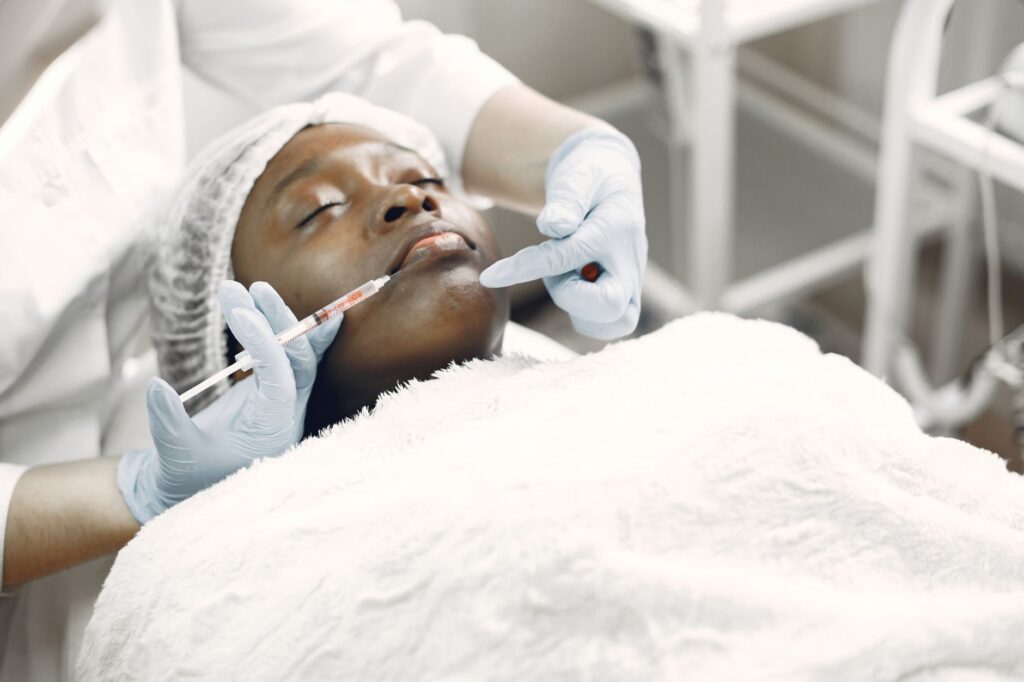

The Demographics of Aging Are Shifting
Demographic shifts across the United States are reshaping numerous industries, but few sectors are experiencing a transformation quite as striking as aesthetic medicine. While younger generations have traditionally dominated the conversation surrounding cosmetic procedures, a new demographic has quietly taken the lead. Adults aged 65 and older are currently emerging as the fastest-growing customer base for cosmetic surgery.
This trend highlights a broader cultural evolution regarding aging and personal care. Rather than accepting the traditional milestones of growing older, older adults are increasingly investing in their physical appearance and overall well-being. The desire to look as vibrant and energetic as one feels internally has become a powerful motivator for this demographic.
Factors Driving the Antiaging Craze
Several factors contribute to the rising popularity of aesthetic procedures among older populations. Improved general health and increased life expectancy mean that individuals in their sixties, seventies, and beyond are living much more active social and professional lives. Consequently, maintaining a youthful appearance aligns with their dynamic lifestyles.
Furthermore, advancements in medical technology have made cosmetic procedures safer, more accessible, and associated with significantly reduced recovery times compared to previous decades. Minimally invasive treatments, as well as refined surgical techniques, provide subtle and natural-looking results that appeal to mature patients who wish to avoid drastic changes.
Economic Implications and Market Opportunities
Financial stability also plays a crucial role in this ongoing trend. Many individuals in the senior demographic possess the disposable income required to invest in elective medical procedures. As a result, healthcare providers, aesthetic clinics, and related businesses are adapting their service offerings to cater specifically to the unique needs and health profiles of older clients.
Understanding the motivations of this expanding consumer group allows market participants to identify new growth areas. Tailoring consultations to address specific concerns related to mature skin and aging tissues ensures that patients receive appropriate recommendations and realistic expectations.
Looking Ahead at the Aesthetic Industry
The convergence of shifting societal attitudes, financial readiness, and medical innovation suggests that the popularity of cosmetic surgery among older adults is not a temporary anomaly. As the population continues to age, the demand for antiaging solutions will likely remain strong, prompting ongoing adaptations within the medical aesthetics field.