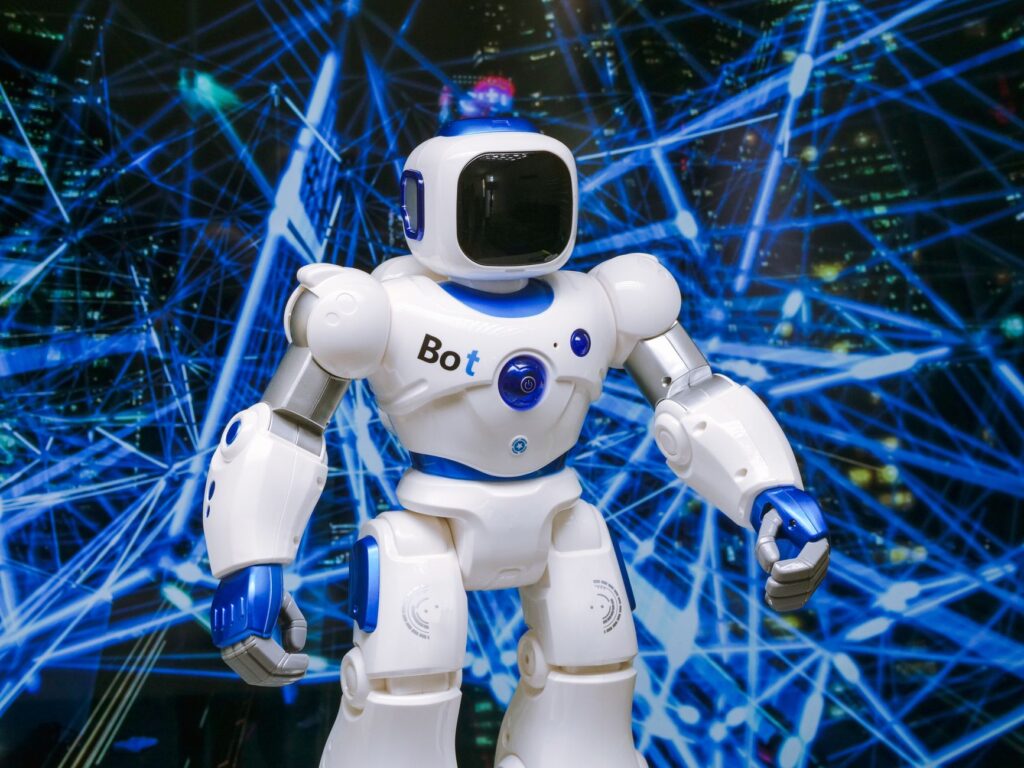

The Future of Humanoid Automation
Humanoid robots hold the immense potential to completely transform modern society, labor markets, and daily routines. Yet, a significant barrier stands in the way of this technological revolution. Before these bipedal machines can seamlessly integrate into human environments, they require a fundamental upgrade to their cognitive capabilities. Specifically, they must develop significantly better brains that can process, retain, and apply information over extended periods.
The Crucial Role of Memory Technology
At the heart of future robotic breakthroughs lies the evolution of memory technology. Current robotics often excel at executing isolated, pre-programmed tasks in controlled settings. However, navigating the unpredictable nuances of the real world demands robust memory systems. Without the ability to store vast amounts of experiential data efficiently, machines will continually struggle to adapt to new situations or remember past interactions.
Learning from Mistakes
True intelligence involves trial, error, and subsequent adaptation. For humanoid machines to become genuinely useful companions and workers, they must learn from their mistakes just as humans do. When a robot drops an object or miscalculates a step, it needs to record the failure, analyze the root cause, and permanently adjust its future behavior. Enhancing this feedback loop is essential for moving beyond rigid automation toward dynamic problem-solving.
Overcoming Cognitive Hurdles
Developers across the technology sector are actively exploring innovative ways to bridge this cognitive gap. By combining advanced neural networks with scalable memory architectures, researchers aim to create machines capable of long-term retention. This means the robots of tomorrow will not only react to their immediate surroundings but also build a cumulative understanding of how the world works.
Impact on Daily Life
Once engineers successfully equip humanoids with superior learning and memory functions, the impact on everyday life will be profound. From assisting in complex manufacturing environments to supporting elderly care and household management, advanced bipedal robots will assume roles previously thought impossible. The timeline for this societal shift depends almost entirely on how quickly developers can upgrade artificial intelligence and memory systems.
Looking Ahead
The journey toward truly autonomous humanoid robots is filled with intricate technical challenges. While physical design and motor skills have advanced rapidly, cognitive development remains the ultimate frontier. By focusing heavily on information retention and error-based learning, the robotics industry can unlock the next major wave of innovation and turn science fiction into everyday reality.