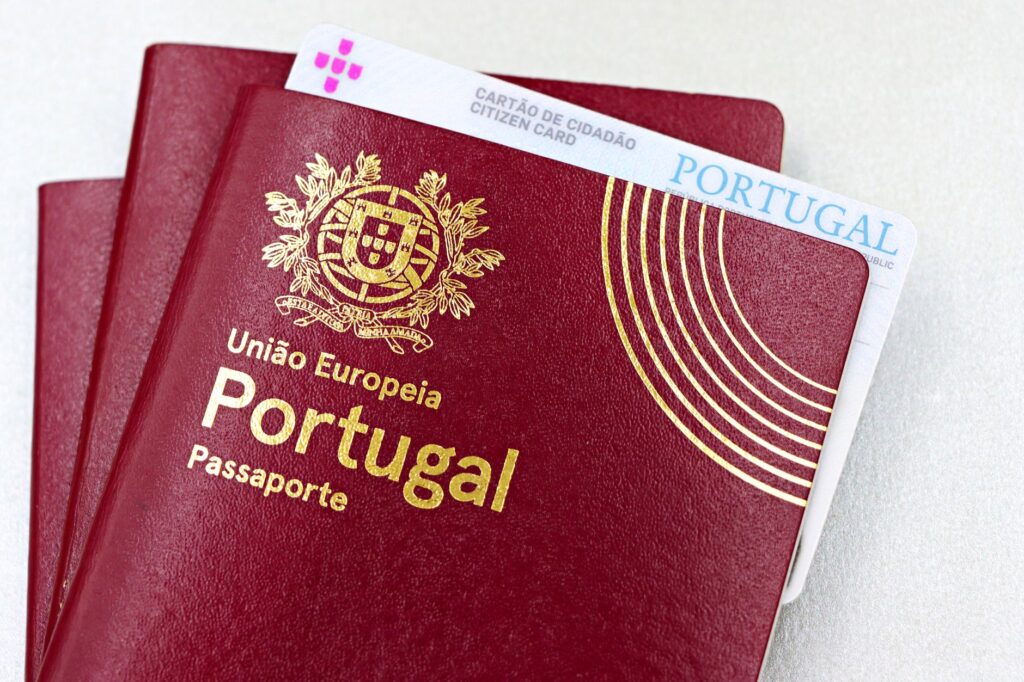

The ongoing debate surrounding automatic birthright citizenship in the United States has once again taken center stage in national politics. Proposals to limit this constitutional practice have sparked intense discussions among legal scholars, policymakers, and communities nationwide. At the core of the discussion is whether children born on American soil to non-citizen parents should automatically receive United States citizenship under the Fourteenth Amendment.
Recent legal developments have highlighted the friction between executive policy initiatives and established constitutional interpretations. A preliminary injunction issued recently has temporarily halted the implementation of new limits, keeping the current system in place while legal challenges proceed through the judicial system. Understanding the background and potential implications of these proposed restrictions requires a close look at constitutional law, immigration policy, and the practical effects on families living across the country.
Background on Birthright Citizenship
Birthright citizenship in the United States is rooted in the Citizenship Clause of the Fourteenth Amendment, ratified in 1868 following the Civil War. The text explicitly states that all persons born or naturalized in the United States, and subject to the jurisdiction thereof, are citizens of the United States and of the State wherein they reside. For over a century, this provision has been interpreted by courts and administrative agencies to mean that nearly anyone born within the geographic boundaries of the country acquires citizenship automatically at birth, regardless of the legal status or nationality of their parents.
Proponents of restricting this policy argue that automatic citizenship for children of undocumented immigrants creates an incentive for unlawful entry and violates the original intent of the framers of the Fourteenth Amendment. They contend that the phrase subject to the jurisdiction thereof was meant to exclude the children of foreign nationals who owe allegiance to another country. Critics of the current system advocate for policy changes or executive actions that would narrow the application of birthright citizenship, aligning the United States more closely with practices common in many European and Asian nations where citizenship is primarily determined by parental citizenship rather than place of birth.
The Legal Landscape and Recent Injunctions
Efforts to alter or end birthright citizenship through executive action face significant constitutional hurdles. Legal experts widely agree that modifying the Fourteenth Amendment requires a formal constitutional amendment process, which demands a two-thirds vote in both houses of Congress and ratification by three-fourths of the states, or a constitutional convention called by two-thirds of the states. Alternatively, some advocates suggest that Congress could pass ordinary legislation to clarify the scope of the Citizenship Clause, though this approach would also face immediate judicial scrutiny.
Recently, an effort by Donald Trump to impose new limits on automatic birthright citizenship encountered a major roadblock. A preliminary injunction issued on September 2 has blocked the enforcement of these proposed restrictions while lawsuits challenging their legality move forward. This judicial intervention ensures that the status quo remains protected for now, preventing any sudden changes to how birthright citizenship is administered while federal courts evaluate the constitutional merits of the executive initiatives.
Who Are Likely to be Impacted
If restrictions on birthright citizenship were ever successfully implemented, the impact would be felt primarily by children born in the United States to undocumented immigrants, temporary visa holders, and certain non-immigrant workers. Without automatic citizenship, these newborns might inherit the legal status of their parents, potentially growing up without official documentation, legal working rights, or access to certain public benefits and federal programs.
Beyond the immediate legal status of affected children, such policy shifts could create administrative challenges for state and local governments. Hospitals, vital statistics bureaus, and school districts would need to navigate complex verification procedures to determine the citizenship status of newborns. Furthermore, civil rights organizations and advocacy groups warn that ending birthright citizenship could lead to a permanent underclass of individuals residing in the United States without any clear pathway to legal regularization or integration into civic life.
Broader Implications for Immigration Policy
The debate over birthright citizenship is part of a broader, ongoing conversation about the future of American immigration policy. It reflects divergent views on national identity, sovereignty, and the rule of law. As legal battles continue in the federal courts, the outcome of these challenges will have profound implications not only for prospective parents and their children but also for the interpretation of foundational constitutional principles.
While the immediate effect of the recent preliminary injunction is a temporary pause on proposed executive restrictions, the underlying policy debate remains unresolved. Lawmakers, legal analysts, and the public will continue to monitor how federal courts interpret the Fourteenth Amendment in light of modern immigration challenges, ensuring that the conversation surrounding birthright citizenship remains a prominent fixture in American jurisprudence.