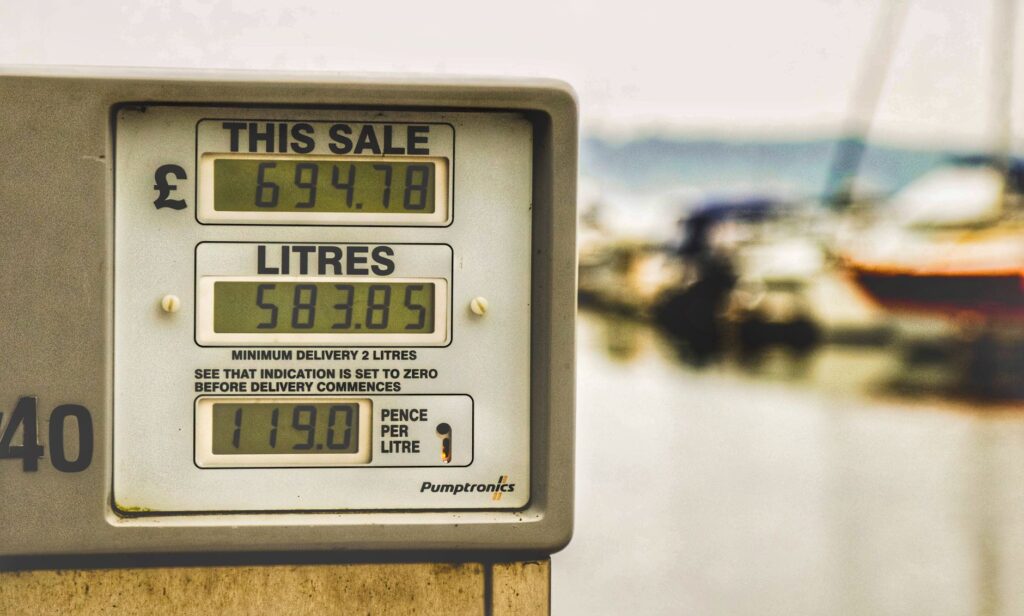

Crude oil markets concluded the trading week with significant gains following a sharp escalation in military hostilities involving the United States and Iran. The renewed clashes in the Middle East have heightened anxiety regarding global energy security and potential transportation bottlenecks in critical supply corridors. Energy market participants are closely monitoring the situation as political friction threatens to disrupt petroleum output and transportation across the region.
The Geopolitical Impact on Crude Markets
Geopolitical risk premiums have returned to the forefront of commodity pricing. Heightened friction between Washington and Tehran has immediately impacted crude oil futures, pushing values upward as traders factor in the probability of prolonged instability. Historically, critical shipping lanes in the region facilitate a vast percentage of globally traded petroleum, making any military engagement an immediate catalyst for supply concerns. Market strategists indicate that current valuations may only reflect the initial phase of upward pressure if diplomatic channels fail to de-escalate the situation.
Record Diesel Prices and Inflationary Pressures
Beyond crude benchmarks, the downstream effects of the energy squeeze are becoming increasingly evident for consumers and commercial logistics networks. Retail diesel prices in the United States have climbed to unprecedented levels, creating severe cost burdens for transportation, manufacturing, and agricultural sectors. Because diesel serves as the primary fuel for commercial freight and heavy machinery, these historic highs are directly accelerating broader inflationary trends throughout the broader economy. Economists worry that sustained high fuel expenses will inevitably translate into elevated costs for consumer goods and services.
Macroeconomic Indicators and Monetary Policy
Adding complexity to the current economic landscape, recent employment data from the United States points toward a resilient labor market. While job growth signals economic strength, it also introduces complications for monetary policy. Strong employment figures give the Federal Reserve additional leeway to implement further interest rate hikes to cool domestic price growth. Higher borrowing costs typically strengthen the national currency and can dampen industrial demand, creating a complex interplay between commodity values and central bank decisions.
Outlook for Energy Markets
Looking ahead, market observers maintain a cautious stance. The trajectory of petroleum prices will largely depend on diplomatic resolutions in the Middle East and upcoming monetary policy updates from central banking authorities. Should military actions persist or expand, further upward adjustments in energy values remain a distinct possibility. Stakeholders across various industries are advised to prepare for continued volatility and implement robust risk management strategies to navigate the changing economic environment.