


Tata Motors has officially unveiled the 2026 iteration of its popular Tiago hatchback in India, introducing a series of aesthetic and functional refinements to its entry-level segment leader. While the model retains its foundational architecture, the new facelift focuses on modernizing the cabin experience and exterior styling to maintain competitiveness against rising rivals. The vehicle remains available across both petrol and CNG configurations, ensuring it continues to cater to the cost-conscious and efficiency-focused urban consumer.
Contextualizing the Evolution
The Tata Tiago has served as a cornerstone of the company’s passenger vehicle portfolio since its debut, credited with shifting consumer perception toward Tata’s build quality and safety standards. As the automotive market shifts toward feature-rich entry-level cars, this update serves as a mid-cycle refresh intended to bridge the gap between legacy engineering and contemporary digital requirements. By maintaining the existing chassis and powertrain, Tata Motors aims to keep ownership costs stable while providing a fresher visual appeal.
Powertrain and Performance Consistency
Under the hood, the 2026 Tiago remains mechanically identical to its predecessor, prioritizing reliability over radical changes. The lineup continues to be headlined by the 1.2-litre naturally aspirated petrol engine, which delivers a consistent 86hp. For those seeking lower operational costs, the CNG variant maintains its 76hp output, a figure that remains standard for the segment.
Transmission options also remain unchanged, with both engines paired to either a 5-speed manual or a 5-speed Automated Manual Transmission (AMT). Industry analysts suggest that this decision reflects Tata’s strategy to leverage the proven durability of these powertrains, which have historically demonstrated low maintenance requirements for high-mileage urban commuters.
Design and Feature Enhancements
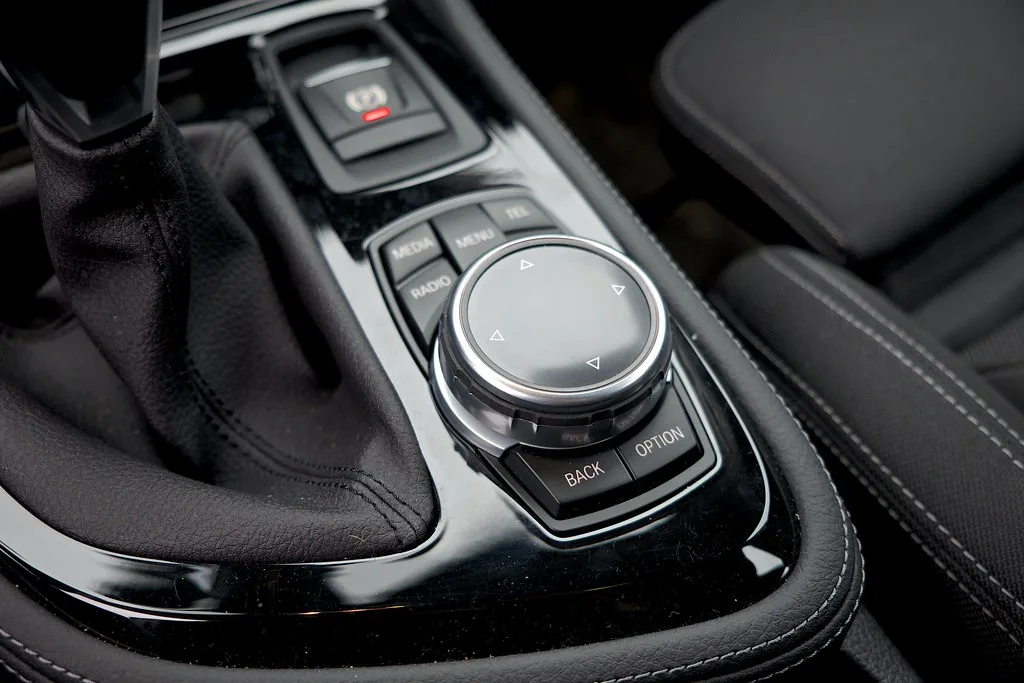
While the mechanical heart stays the same, the 2026 model introduces subtle exterior tweaks, including a redesigned front grille and updated lighting signatures that align with the brand’s current design language. Inside the cabin, the focus has shifted toward improved material quality and updated infotainment interfaces. These adjustments are designed to provide a more premium feel, responding to consumer demand for better connectivity and interior aesthetics in the hatchback segment.
Safety and Market Implications
Tata Motors continues to emphasize safety as a primary selling point, with the new Tiago retaining its robust structural integrity. With standardized safety features expected to meet the latest regulatory requirements, the model remains one of the safest options in its price bracket. Data from the automotive sector shows that safety ratings have become a top-three purchase driver for Indian buyers, a trend that this facelift aims to capitalize on.
Future Outlook and Industry Watch
As the market moves toward electrification, the 2026 Tiago represents a tactical hold for the combustion-engine segment. Industry experts suggest that while this facelift extends the life of the internal combustion engine model, the spotlight will soon move toward the expansion of the Tiago.ev range. Consumers should watch for how Tata adjusts the price-to-value ratio in the coming months, as competitive pricing remains the primary lever for dominance in the entry-level hatchback space.