





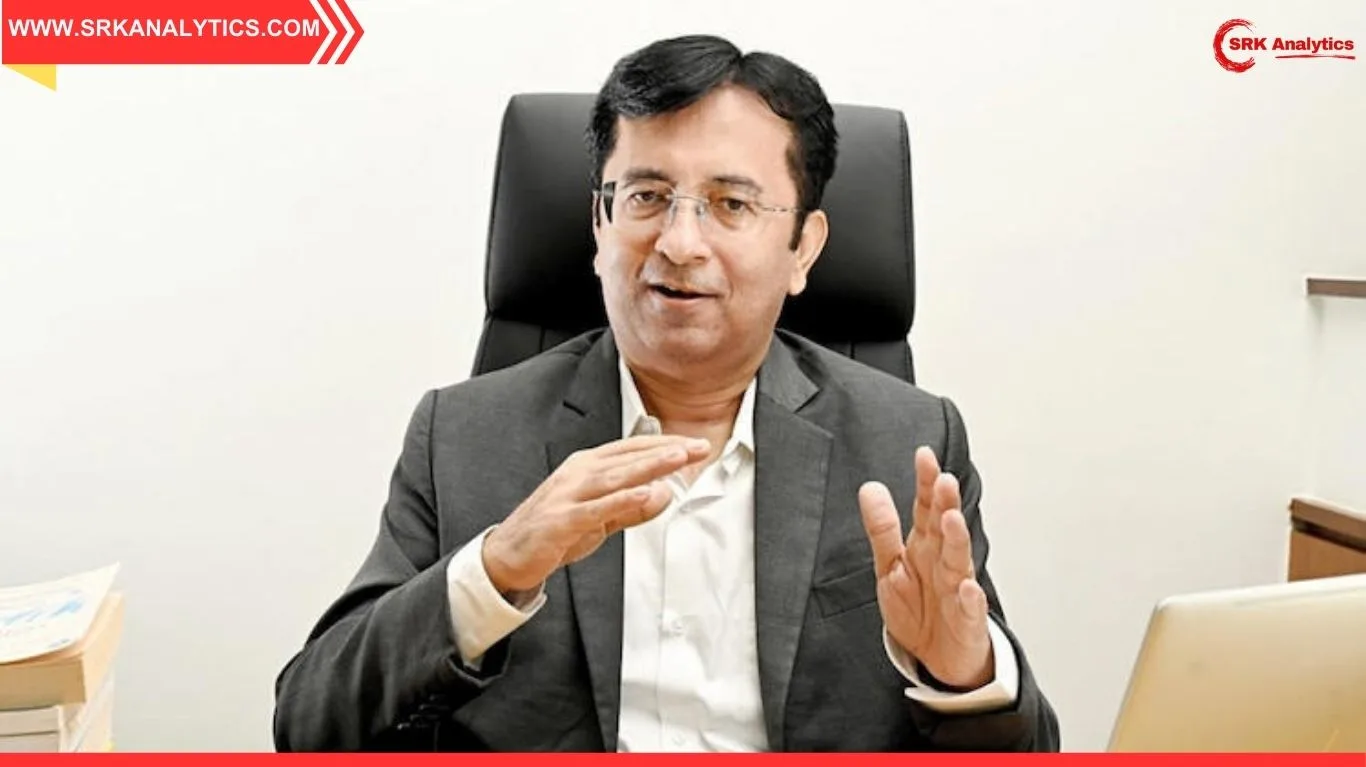
In a candid and thought-provoking statement, Rajeev Thakkar, Chief Investment Officer (CIO) of PPFAS Mutual Fund, reminded investors that while Systematic Investment Plans (SIPs) are a powerful tool for wealth creation, they are not a magic wand that can transform ordinary investors into billionaires like Mukesh Ambani. His remarks have sparked widespread discussions in financial circles, highlighting the importance of realistic expectations, disciplined investing, and the difference between entrepreneurial wealth and investment-driven growth.
The SIP Craze In India
Over the past decade, SIPs have become the most popular route for retail investors in India:
- Accessibility: SIPs allow investors to start with small amounts, making them inclusive.
- Consistency: Regular monthly investments help build wealth steadily.
- Market Discipline: SIPs encourage long-term investing, reducing the temptation of timing the market.
- Popularity: India now records millions of SIP accounts, with inflows crossing ₹20,000 crore monthly.
Despite these advantages, Thakkar’s statement underscores that SIPs are not a shortcut to billionaire status.
SIPs vs Entrepreneurial Wealth
| Aspect | SIPs | Entrepreneurial Wealth (e.g., Mukesh Ambani) | Outcome |
|---|---|---|---|
| Source | Regular savings invested in markets | Building businesses, taking risks | Different wealth creation paths |
| Risk | Market volatility, but diversified | High business risk, potential for massive gains | SIP safer, entrepreneurship riskier |
| Scale | Wealth grows steadily over decades | Wealth can multiply exponentially | SIP limited by contribution size |
| Accessibility | Available to all retail investors | Requires capital, vision, execution | SIP democratic, entrepreneurship selective |
| Outcome | Financial security, retirement corpus | Billionaire-level wealth | SIP builds comfort, not empires |
Rajeev Thakkar’s Key Message
Thakkar’s statement was not meant to discourage SIP investors but to set expectations straight:
- SIP Reality: SIPs can help achieve financial independence, but not billionaire wealth.
- Entrepreneurial Difference: Billionaires like Ambani built empires through entrepreneurship, not mutual fund SIPs.
- Investor Discipline: SIPs are about consistency, patience, and realistic goals.
- Avoiding Misconceptions: Many retail investors mistakenly believe SIPs can make them ultra-rich overnight.
Benefits Of SIPs For Retail Investors
| Benefit | Explanation | Long-Term Impact |
|---|---|---|
| Wealth Creation | Steady compounding over decades | Builds retirement corpus |
| Accessibility | Start with as little as ₹500 | Encourages financial inclusion |
| Market Discipline | Regular investing reduces timing risks | Promotes long-term focus |
| Flexibility | Can increase or pause contributions | Adapts to income changes |
| Risk Management | Diversification across funds | Reduces exposure to single asset |
Why The Statement Matters
- Investor Education: Helps retail investors understand the realistic outcomes of SIPs.
- Financial Planning: Encourages people to set achievable goals like retirement, children’s education, or home ownership.
- Avoiding Disappointment: Prevents investors from expecting billionaire-level returns from mutual funds.
- Market Stability: Educated investors are less likely to panic during volatility.
Expert Opinions
- Financial Advisors: Agree that SIPs are powerful but should be seen as a tool for stability, not extreme wealth.
- Economists: Note that entrepreneurial wealth and investment wealth are fundamentally different.
- Mutual Fund Managers: Stress that SIPs are about compounding, not exponential business growth.
- Retail Investors: Mixed reactions—some felt discouraged, while others appreciated the honesty.
Public Sentiment
- Supporters: Applauded Thakkar for being transparent and realistic.
- Critics: Felt the statement might discourage small investors.
- Neutral Observers: Emphasized that SIPs remain the best tool for disciplined investing.
- Social Media: Buzzing with debates, memes, and discussions comparing SIP investors to billionaires.
Challenges Ahead For Investors
- Unrealistic Expectations: Many retail investors still expect outsized returns.
- Financial Literacy: Need for stronger investor education campaigns.
- Market Volatility: SIP investors must stay disciplined during downturns.
- Goal Setting: Investors must align SIPs with realistic life goals.
Future Outlook
- Short-Term: SIP inflows will continue to rise as retail participation grows.
- Medium-Term: Greater emphasis on investor education to set realistic expectations.
- Long-Term: SIPs will remain the backbone of India’s retail investment story.
- Global Impact: India’s SIP model could inspire similar programs in emerging markets.
Conclusion
The remark by PPFAS MF CIO Rajeev Thakkar—“Your SIP won’t make you Mukesh Ambani”—is a reality check for millions of investors. SIPs are a disciplined, democratic, and effective way to build wealth, but they are not a substitute for entrepreneurial risk-taking that creates billionaire fortunes.
For retail investors, the message is clear: SIPs can help achieve financial independence, fund life goals, and provide security, but they are not a path to billionaire status. For the financial industry, it is a reminder to educate investors about realistic outcomes. And for India, it reinforces the importance of balancing aspiration with discipline in the journey of wealth creation.
Disclaimer: This article is based on publicly available financial updates, expert commentary, and market analysis. Readers are advised to follow official mutual fund disclosures and SEBI guidelines for verified details.