



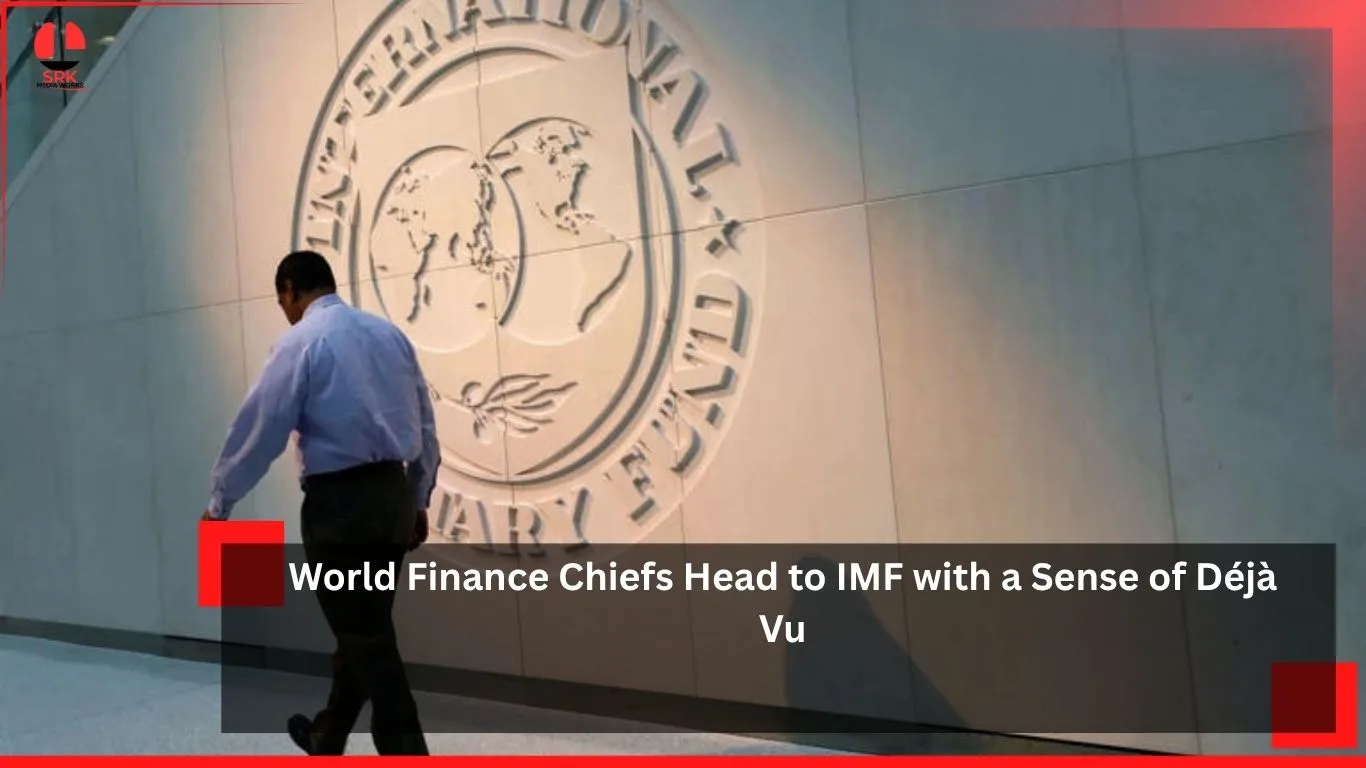
Global finance leaders are gathering at the International Monetary Fund (IMF) meetings with a familiar sense of déjà vu, as many of the challenges confronting the world economy today echo those faced during previous crises. Inflationary pressures, debt distress in emerging markets, geopolitical tensions, and sluggish global growth are once again dominating discussions, underscoring the cyclical nature of financial instability.
Key Issues on the Agenda
- Debt Distress: Several developing nations are struggling with unsustainable debt burdens, reminiscent of past debt crises.
- Inflation: Persistent inflation across advanced and emerging economies continues to challenge monetary policy.
- Geopolitical Risks: Conflicts and trade tensions are reshaping global supply chains.
- Climate Finance: Calls for greater funding to support climate adaptation and green transitions.
- Digital Economy: Regulation of fintech and digital currencies remains a pressing concern.
Comparative Analysis of Global Challenges
| Challenge | Current Status | Historical Parallel | Implications |
|---|---|---|---|
| Inflation | Elevated in many economies | 1970s oil shock | Policy tightening, slower growth |
| Debt Crisis | Emerging markets under stress | 1980s Latin America debt crisis | Risk of defaults |
| Geopolitical Tensions | Trade wars, conflicts | Cold War era | Fragmented global trade |
| Climate Finance | Insufficient funding | Post-2008 green stimulus debates | Need for global cooperation |
| Digital Regulation | Unclear frameworks | Early internet regulation | Risk of instability |
Pivot Analysis: IMF Meeting Outlook
| Dimension | Past IMF Meetings | Current IMF Meeting | Implications |
|---|---|---|---|
| Focus | Debt and inflation | Debt, inflation, climate, digital | Broader agenda |
| Participation | Advanced economies dominant | Emerging markets more vocal | Inclusive dialogue |
| Solutions | Structural adjustment programs | Debt restructuring, climate finance | Shift toward sustainability |
| Global Mood | Crisis management | Crisis déjà vu | Need for innovation |
Déjà Vu in Global Finance
The sense of déjà vu stems from repeated cycles of crisis and recovery. Just as in the 1980s and 1990s, debt distress in emerging markets is once again a focal point. Similarly, inflationary pressures recall the challenges of the 1970s, while geopolitical fragmentation mirrors Cold War dynamics.
Emerging Market Concerns
Countries in Africa, South Asia, and Latin America are pressing for debt relief and concessional financing. Many argue that without structural reforms in global finance, they risk being trapped in cycles of borrowing and default.
Advanced Economy Perspectives
Leaders from advanced economies emphasize the need for monetary discipline and fiscal responsibility. However, they also acknowledge that without coordinated support, global growth could falter.
Climate and Digital Finance
Unlike past IMF meetings, climate finance and digital regulation are now central issues. The push for green financing reflects the urgency of climate change, while digital currencies and fintech innovations demand new regulatory frameworks.
Possible Outcomes
- Debt Relief Packages: IMF may announce new frameworks for restructuring debt.
- Climate Finance Commitments: Increased pledges for green transitions.
- Digital Regulation Roadmap: Guidelines for managing fintech and cryptocurrencies.
- Global Growth Strategy: Coordinated measures to stabilize inflation and boost demand.
Conclusion
World finance chiefs heading to the IMF with a sense of déjà vu reflects the recurring nature of global economic challenges. While the issues of debt, inflation, and geopolitical risks are familiar, the addition of climate finance and digital regulation highlights the evolving complexity of global finance. The meetings could set the stage for innovative solutions, but the echoes of past crises serve as a reminder that history often repeats itself in the financial world.
Disclaimer: This article is based on reported developments and economic analysis. It does not endorse any specific policy or institution. The content is intended for informational purposes only, highlighting global financial trends and their potential implications. Readers should interpret the situation within the broader framework of international economic cooperation.