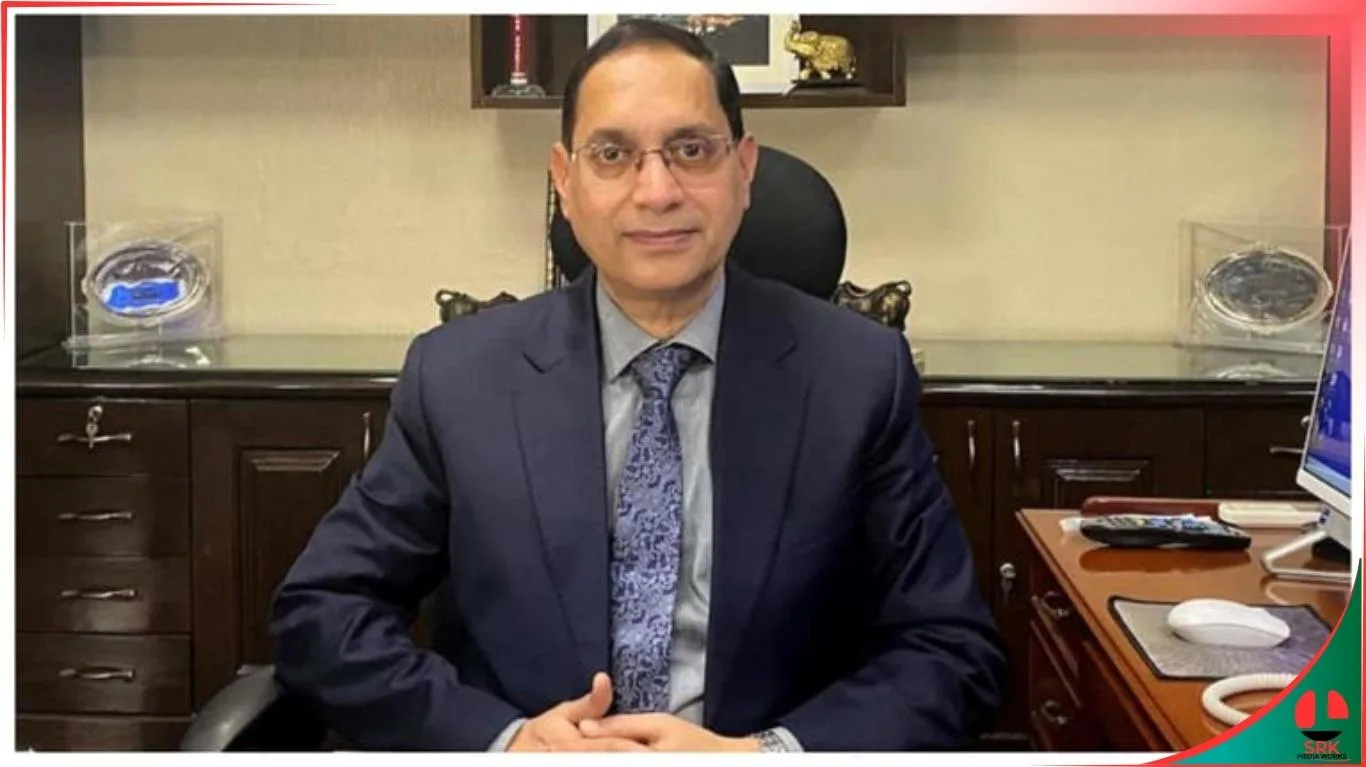






The Securities and Exchange Board of India (SEBI) has confirmed that it will adopt a “wait-and-watch” approach regarding any new regulations in the Futures & Options (F&O) segment. SEBI Chairman Tuhin Kanta Pandey stated that the regulator will first assess the impact of recently introduced rules before considering additional changes. This announcement comes amid heightened concerns from traders following the Union Budget 2026 proposal to increase the Securities Transaction Tax (STT) on derivatives.
Background of the Statement
- Recent Changes: Over the past year, SEBI has introduced several risk metrics for the F&O space, including position limits, upfront margin payments, expiry day margins, and real-time monitoring of market-wide position limits (MWPL).
- Budget Proposal: The Union Budget 2026–27 announced a hike in STT on derivatives, sparking concerns among traders about rising costs.
- SEBI’s Position: Pandey clarified that no fresh restrictions or structural changes are planned until the regulator evaluates the effectiveness of the latest measures.
Key Highlights of SEBI’s Approach
- No Immediate New Rules: SEBI will not impose additional curbs or expiry changes in the near term.
- Impact Assessment: The regulator will monitor how recent rules affect market stability and trader behavior.
- Trader Relief: The announcement provides temporary respite to F&O traders worried about further restrictions.
- Focus on Risk Management: SEBI remains committed to ensuring transparency and reducing systemic risks in derivatives trading.
Comparative Analysis of F&O Regulations
| Regulation | Introduced By SEBI | Impact on Traders | Market Stability |
|---|---|---|---|
| Position Limits | 2025 | Restricts excessive speculation | Enhances discipline |
| Upfront Payments | 2025 | Increases capital requirement | Reduces leverage risks |
| Expiry Day Margins | 2025 | Higher costs on settlement day | Prevents volatility |
| Real-Time MWPL Monitoring | 2026 | Immediate alerts on breaches | Improves oversight |
| STT Hike (Budget 2026) | Government | Raises transaction costs | Revenue generation |
Implications for Traders and Markets
- Cost Considerations: The STT hike increases trading expenses, potentially reducing retail participation.
- Market Discipline: New rules encourage responsible trading practices.
- Regulatory Stability: SEBI’s cautious stance avoids sudden disruptions in the derivatives market.
- Investor Confidence: Clear communication from SEBI reassures investors about regulatory predictability.
Public and Industry Reaction
- Traders: Welcomed SEBI’s assurance, noting that stability is crucial amid rising costs.
- Market Analysts: Observed that SEBI’s approach balances risk management with market growth.
- Policy Experts: Highlighted that SEBI’s wait-and-watch stance reflects prudence in regulating a complex segment.
Conclusion
SEBI Chairman Tuhin Kanta Pandey’s statement that the regulator will wait for the impact of the latest F&O rules before announcing new ones underscores a balanced regulatory approach. By prioritizing stability and risk management, SEBI aims to protect investors while ensuring that India’s derivatives market continues to grow responsibly. For traders, the announcement provides relief and clarity, allowing them to adapt to recent changes without fear of sudden new restrictions.
Disclaimer
This article is based on publicly available information and aims to highlight SEBI Chairman Tuhin Kanta Pandey’s statement regarding the regulator’s approach to F&O rules. It does not intend to criticize or promote any individual, organization, or government policy. The content is for informational and educational purposes only, reflecting broader issues in financial regulation, market stability, and investor confidence.