



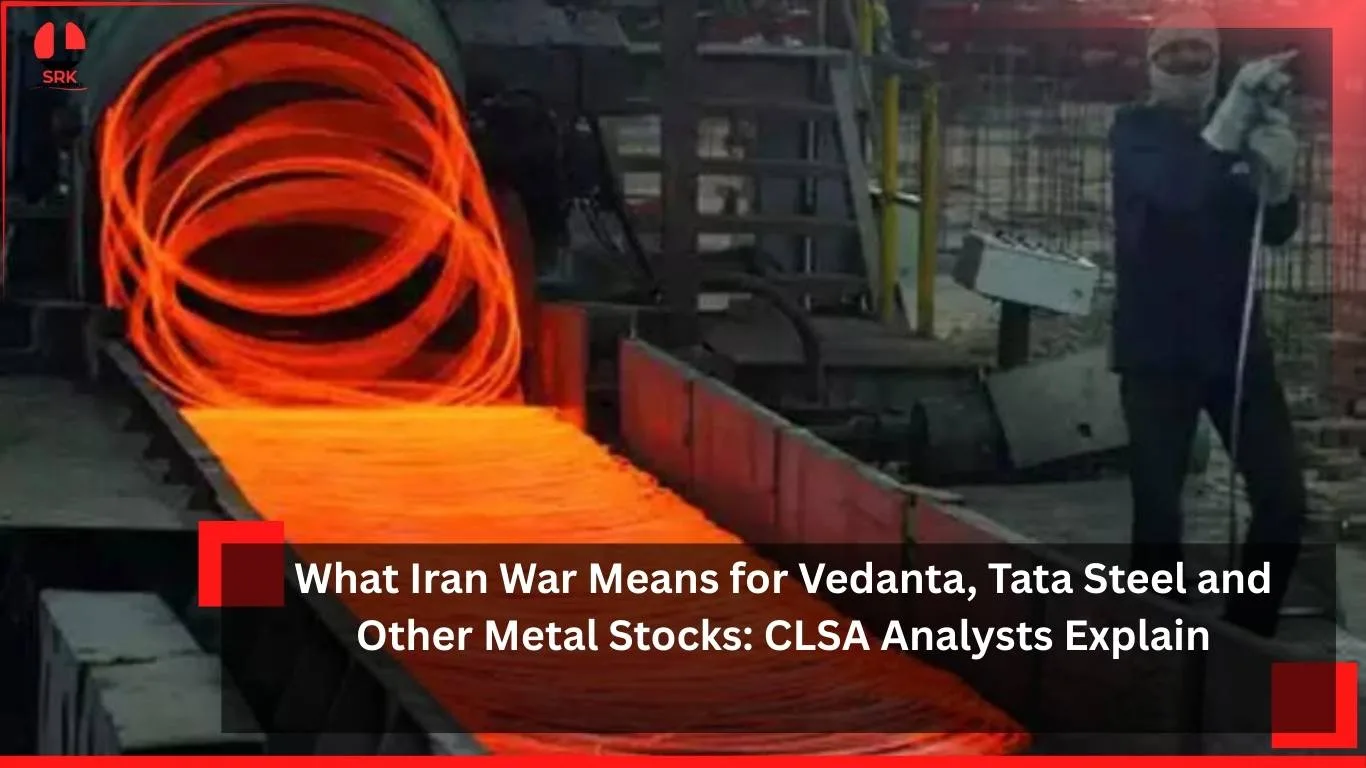
The escalation of the Iran conflict has sent shockwaves across global commodity markets, and Indian metal stocks such as Vedanta, Tata Steel, Hindalco, and Hindustan Copper have been among the hardest hit. Analysts at CLSA have explained that while the war-driven surge in crude oil prices and global uncertainty are weighing on investor sentiment, the impact on individual companies varies depending on their exposure to energy costs, global demand, and commodity price cycles.
Why Metal Stocks Are Falling
- Crude Oil Surge: Brent crude has spiked above $110 per barrel, raising input costs for energy-intensive industries like steel and aluminium.
- Global Demand Concerns: War-driven uncertainty has triggered fears of slower global growth, reducing demand for metals.
- Foreign Investor Outflows: FIIs have pulled capital from Indian equities, with commodity-linked shares facing the brunt.
- Currency Weakness: A weaker rupee increases import costs for raw materials, squeezing margins.
- Volatility in Commodity Prices: While some metals like aluminium and zinc may benefit from supply disruptions, steel faces margin pressure due to higher coking coal and energy costs.
CLSA’s Analysis
CLSA analysts highlight that:
- Vedanta: Could benefit from higher aluminium and zinc prices, but faces risks from rising energy costs.
- Tata Steel: Margin pressures likely due to higher coking coal prices and weaker global steel demand.
- Hindalco: Gains possible from aluminium price spikes, though energy costs remain a challenge.
- Hindustan Copper: Copper prices may rise due to supply chain disruptions, offering short-term support.
Comparative Analysis of Metal Stocks
| Company | Exposure to Global Prices | Impact of Crude Surge | CLSA Outlook |
|---|---|---|---|
| Vedanta | High (Aluminium, Zinc) | Negative on costs, positive on prices | Mixed impact |
| Tata Steel | High (Steel, Coal) | Strong margin pressure | Negative |
| Hindalco | Aluminium-focused | Higher costs, higher prices | Neutral to positive |
| Hindustan Copper | Copper demand & supply | Limited crude impact | Positive short-term |
Pivot Analysis of Iran War Impact
| Dimension | Short-Term Impact | Medium-Term Outlook | Long-Term Implications |
|---|---|---|---|
| Commodity Prices | Volatile, some metals rising | Stabilization depends on war outcome | Structural shifts in supply chains |
| Energy Costs | Surge in crude oil | Sustained pressure on margins | Push for renewable energy adoption |
| Investor Sentiment | Panic selling | Volatility persists | Stabilization after clarity |
| Global Demand | Slowing growth | Recovery depends on geopolitical stability | Rebalancing of global trade |
Sectoral Impact
- Steel Companies: Higher coking coal and energy costs weigh on margins.
- Aluminium Producers: Benefit from rising prices but face cost pressures.
- Copper Producers: Likely to gain from supply disruptions and higher prices.
- Diversified Players: Mixed impact depending on exposure to global commodity cycles.
Conclusion
The Iran war has created a complex environment for Indian metal stocks. While companies like Vedanta and Hindalco may benefit from higher aluminium and zinc prices, steel producers such as Tata Steel face significant margin pressures. CLSA analysts emphasize that volatility will persist until geopolitical clarity emerges, and investors should brace for short-term pain but watch for long-term opportunities as supply chains rebalance.
Disclaimer
This article is a journalistic analysis based on publicly available financial data and industry commentary. It does not represent investment advice. Readers are encouraged to consult certified financial advisors before making decisions.