




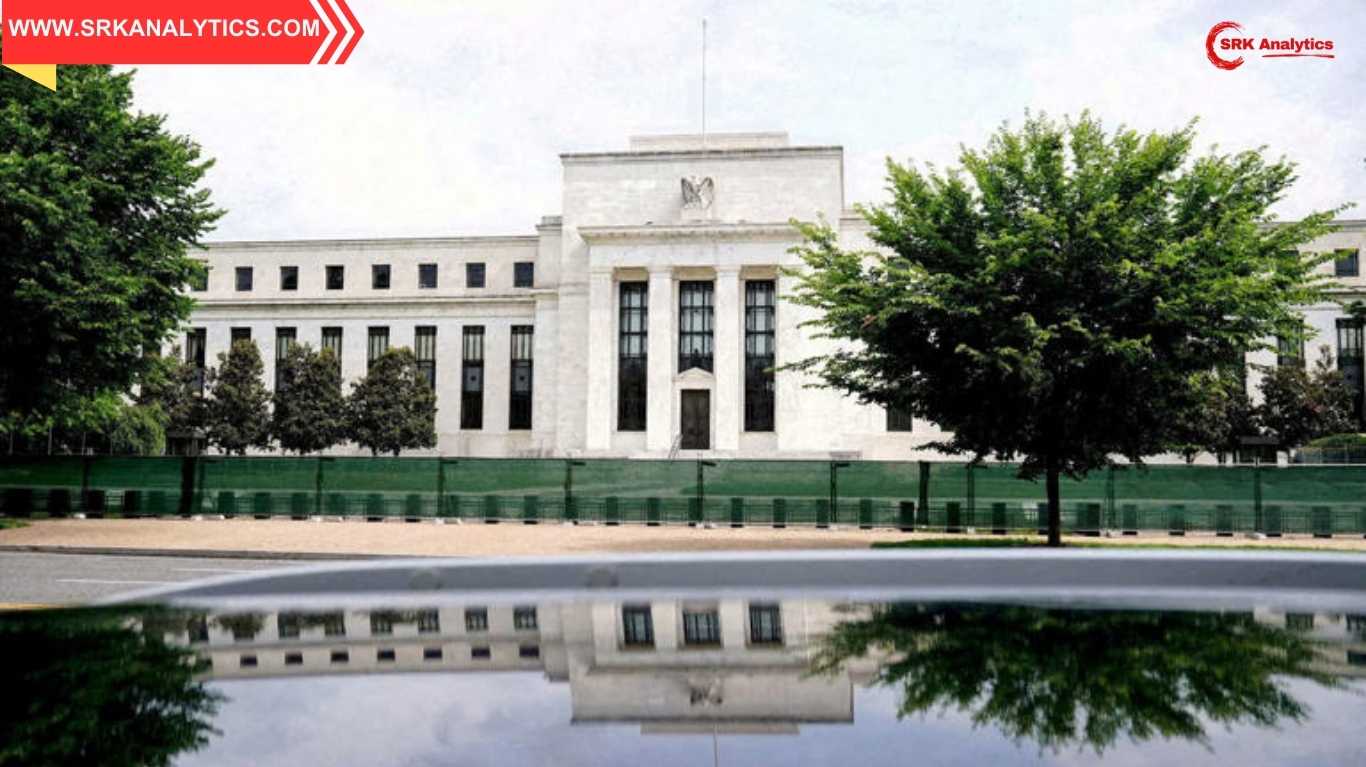
The US Federal Reserve has decided to keep its benchmark interest rate unchanged at 3.50%–3.75%, signaling a cautious approach amid persistent inflation concerns and mixed economic data. Fed officials emphasized the need for patience, noting that recent rate cuts in late 2025 require time to show their full impact on the economy.
Key Highlights
- Rates Unchanged: Fed held rates steady at 3.50%–3.75%.
- Inflation Concerns: Core inflation remains around 3%, above the Fed’s comfort zone.
- Mixed Economic Data: Growth stronger than expected, unemployment stable, but inflation elevated.
- Dissenting Voices: Governors Christopher Waller and Stephen Miran favored a 25bps cut.
- Market Reaction: US stocks traded cautiously, with investors awaiting further clarity on Fed’s next move.
Analysis of Fed’s Decision
| Factor | Previous Quarter | Current Decision | Outcome Expected |
|---|---|---|---|
| Interest Rates | Cut three times in late 2025 | Held steady at 3.50%–3.75% | Stability |
| Inflation | Moderating but above target | Core inflation ~3% | Patience required |
| Labour Market | Slowing job growth | Stabilizing unemployment | Balanced outlook |
| Economic Growth | Concerns of slowdown | Stronger than expected | Confidence |
| Policy Outlook | Aggressive cuts earlier | Pause to assess impact | Wait-and-watch |
Comparative Analysis of Global Central Banks
| Country | Current Rate Policy | Inflation Status | Market Impact |
|---|---|---|---|
| United States | 3.50%–3.75% (unchanged) | Core inflation ~3% | Cautious optimism |
| Eurozone | Rates steady | Inflation easing | Stable |
| UK | Rates held | Inflation sticky | Volatile |
| Japan | Ultra-low rates | Inflation rising | Yen under pressure |
Drivers Behind Fed’s Patience
- Lag Effect of Cuts: Three consecutive cuts in late 2025 need time to influence demand and inflation.
- Inflation Risks: Elevated prices, partly due to tariffs, remain a concern.
- Labour Market Stability: Unemployment remains low, reducing urgency for further cuts.
- Political Pressure: Calls for more aggressive easing resisted by Fed leadership.
- Global Context: Balancing domestic inflation with international financial stability.
Public and Market Reaction
- Investors: Adopted a cautious stance, with equities trading flat.
- Bond Market: Yields remained steady, reflecting expectations of prolonged rate pause.
- Analysts: Applauded Fed’s patience, warning against premature easing.
- Public Sentiment: Mixed, with households still facing elevated borrowing costs.
Future Outlook
- Short-Term: Rates likely to remain steady until April 2026 meeting.
- Medium-Term: Fed may consider cuts if inflation moderates further.
- Long-Term: Policy trajectory depends on balancing inflation control with growth support.
Challenges ahead:
- Managing inflation without stalling growth.
- Addressing political pressure for faster cuts.
- Ensuring global financial stability amid currency volatility.
Conclusion
The Fed’s decision to hold rates at 3.50%–3.75% reflects a cautious stance amid persistent inflation and mixed economic signals. While dissenting voices called for further cuts, the majority opted for patience, signaling that the central bank wants to fully assess the impact of past easing before making new moves. For investors, the message is clear: expect stability in the near term, but remain alert to inflation data and Fed commentary.
Disclaimer
This article is intended for informational and analytical purposes only. It summarizes publicly available updates on the US Federal Reserve’s interest rate decision and market reactions. It does not constitute financial advice, insider information, or professional consultation. Readers are encouraged to verify facts independently and consult financial experts before making investment decisions.