



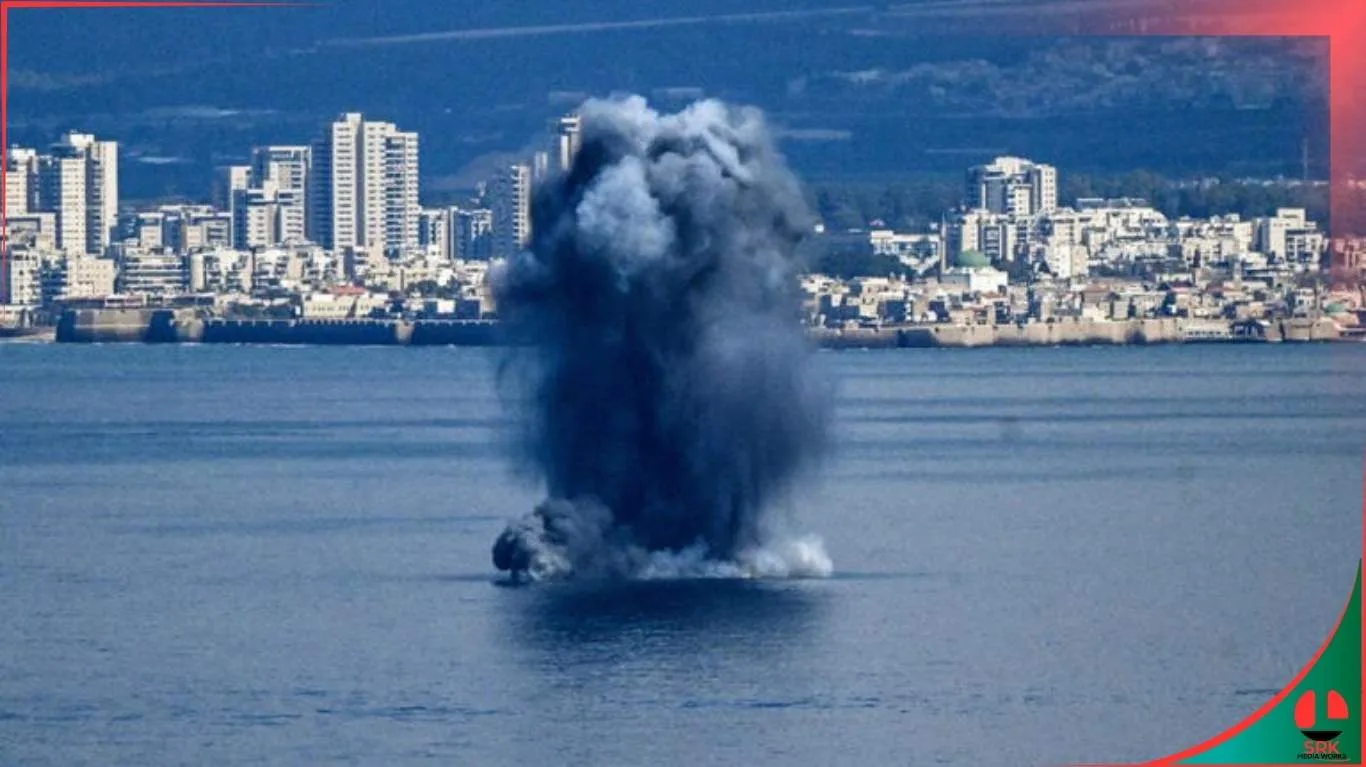
As tensions escalate in the Middle East with the ongoing US–Iran war, global markets have reacted with volatility, sparking concerns among retail and institutional investors. However, investment strategist and founder of First Global, Devina Mehra, has urged investors to remain calm, stressing that “there is no need for panic selling.” Her advice comes at a time when uncertainty has led to sharp movements in equities, commodities, and currencies.
Devina Mehra’s Key Advice
- Avoid Panic Selling: Mehra emphasized that knee-jerk reactions often lead to losses, urging investors to stay disciplined.
- Long-Term Perspective: She highlighted that geopolitical shocks, while disruptive in the short term, rarely alter long-term market fundamentals.
- Diversification: Investors should maintain diversified portfolios to mitigate risks from sudden geopolitical events.
- Focus on Fundamentals: Mehra advised focusing on company earnings, sectoral growth, and macroeconomic indicators rather than reacting solely to war headlines.
Market Impact of US–Iran War
| Asset Class | Immediate Reaction | Long-Term Outlook |
|---|---|---|
| Equities | Volatility, sharp sell-offs in defense-sensitive sectors | Recovery expected as fundamentals stabilize |
| Commodities | Surge in oil and gold prices | Sustained demand for safe-haven assets |
| Currencies | Dollar strength, emerging market weakness | Gradual normalization |
| Bonds | Flight to safety in US Treasuries | Yields stabilize post-crisis |
Comparative Analysis of Past Geopolitical Shocks
| Event | Initial Market Reaction | Recovery Timeline | Lessons for Investors |
|---|---|---|---|
| Gulf War (1990) | Oil prices spiked, equities fell | 6–9 months | Diversification cushions volatility |
| Iraq War (2003) | Short-term sell-off | 3–6 months | Fundamentals drive recovery |
| Russia–Ukraine Conflict (2022) | Energy markets disrupted | 12 months | Safe-haven assets gained |
| US–Iran War (2026) | Panic selling, commodity surge | Yet to be seen | Discipline and patience needed |
Why Panic Selling Is Risky
- Locks in Losses: Selling during panic often means exiting at the lowest point.
- Misses Recovery: Markets historically rebound once uncertainty eases.
- Emotional Decisions: Fear-driven trades undermine rational investment strategies.
- Opportunity Cost: Investors miss out on potential gains when markets stabilize.
Investor Strategies Suggested by Experts
- Hold Quality Stocks: Focus on companies with strong balance sheets and consistent earnings.
- Increase Safe-Haven Allocation: Gold and US Treasuries can provide stability.
- Avoid Over-Leverage: High exposure to derivatives or margin trading amplifies risks.
- Stay Informed, Not Reactive: Monitor developments but avoid impulsive trades.
Public and Industry Reaction
- Retail Investors: Many expressed anxiety over portfolio losses, but welcomed Mehra’s reassurance.
- Institutional Analysts: Agreed that fundamentals remain intact despite short-term volatility.
- Global Observers: Noted that India’s markets, while affected, remain resilient compared to other emerging economies.
Conclusion
Devina Mehra’s advice to avoid panic selling during the US–Iran war reflects a broader principle of disciplined investing. While geopolitical shocks can trigger volatility, history shows that markets eventually stabilize and recover. For investors, the key lies in maintaining perspective, focusing on fundamentals, and resisting the urge to make fear-driven decisions.
Disclaimer
This article is based on publicly available information and aims to highlight Devina Mehra’s advice to investors during the US–Iran war. It does not intend to criticize or promote any individual, organization, or government policy. The content is for informational and educational purposes only, reflecting broader issues in financial markets, investor behavior, and economic resilience.