





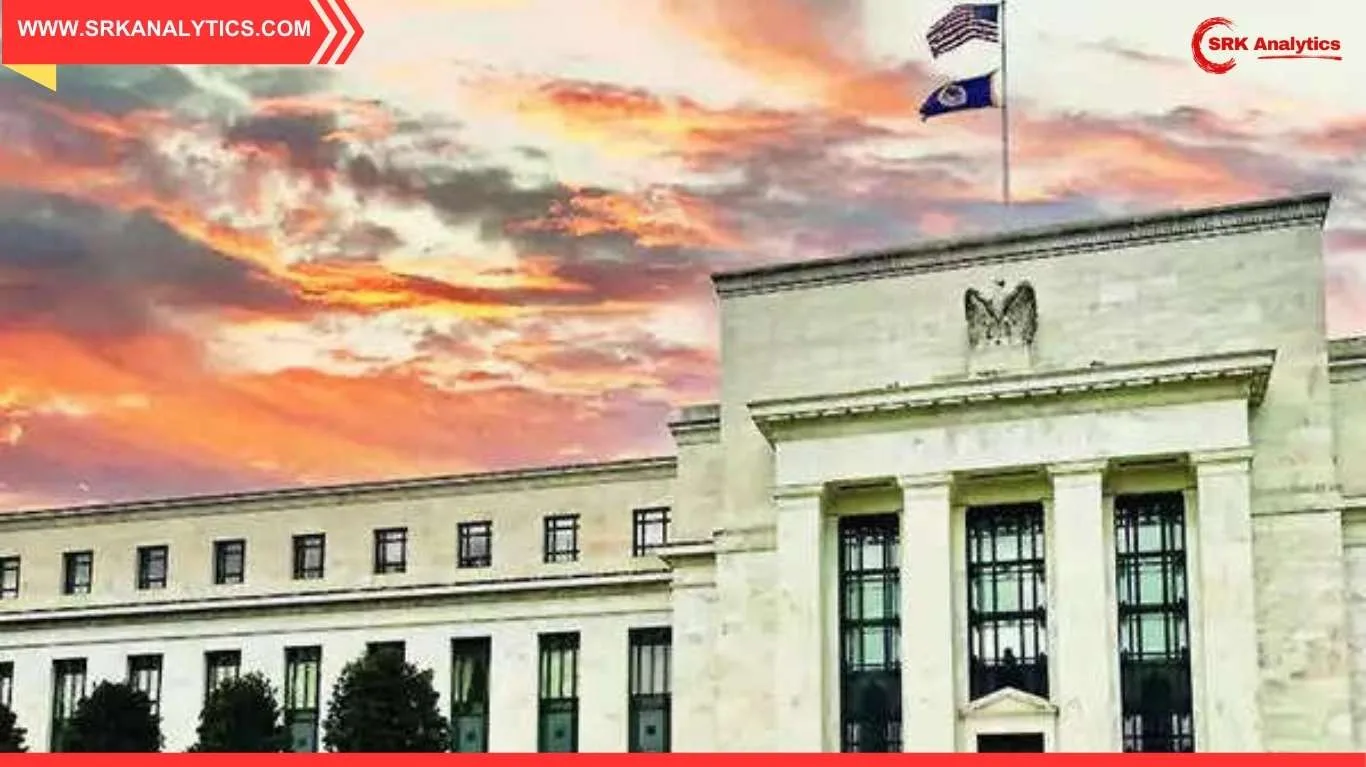
The U.S. Federal Reserve’s latest policy decision has sparked intense debate across financial markets. While the majority of policymakers voted in favor of a rate cut, two dissenting voices stood firm, citing persistent inflation risks as their primary concern. This divergence highlights the delicate balance the Fed must maintain between supporting economic growth and ensuring price stability.
The short headline, “Two Fed dissenters cite inflation risk in votes against rate cut”, encapsulates the tension between differing policy perspectives and the broader implications for investors worldwide.
Background of the Fed’s Decision
- The Federal Reserve recently announced a 25 basis point rate cut, aiming to stimulate economic activity amid slowing growth indicators.
- However, two members of the Federal Open Market Committee (FOMC) opposed the move, warning that inflationary pressures remain elevated.
- Their dissent underscores the ongoing challenge of navigating monetary policy in an environment where inflation has not fully returned to the Fed’s 2% target.
Why Inflation Risk Matters
- Persistent inflation erodes consumer purchasing power and undermines economic stability.
- Cutting rates too aggressively could fuel demand-driven price increases, making it harder to control inflation later.
- The dissenters argue that premature easing may undo progress made in stabilizing prices over the past two years.
Impact on Global Markets
| Region/Market | Immediate Reaction | Longer-Term Implications |
|---|---|---|
| U.S. Equities | Mixed response, tech rallied, banks cautious | Volatility expected as inflation debate continues |
| Bond Market | Yields declined initially | Inflation concerns may push yields higher again |
| Emerging Markets | Benefited from weaker dollar | Vulnerable if U.S. inflation resurges |
| Commodities (Gold, Oil) | Gold rose as safe haven | Oil prices sensitive to inflation-driven demand |
| Currency Markets | Dollar weakened | Could rebound if inflation fears persist |
Rate Cut vs Inflation Risk
| Policy Stance | Supporters | Key Arguments | Market Perception |
|---|---|---|---|
| Rate Cut (Majority) | 10 Members | Stimulate growth, support labor market | Short-term relief for equities |
| No Cut (Dissenters) | 2 Members | Inflation risk, premature easing | Seen as cautious, inflation hawkish |
This pivot analysis highlights the split within the Fed and how markets interpret the balance between growth and inflation control.
Lessons for Investors
- Expect volatility: Diverging Fed views create uncertainty in equity and bond markets.
- Watch inflation data: Upcoming CPI and PCE reports will be critical in shaping Fed policy.
- Diversify portfolios: Exposure to commodities and defensive sectors may hedge against inflation risk.
- Global spillovers: Emerging markets and currencies remain sensitive to U.S. monetary policy shifts.
Broader Economic Context
- The Fed’s decision comes amid slowing global growth, geopolitical tensions, and fragile supply chains.
- Inflation, while lower than its peak, remains above the Fed’s comfort zone, especially in services and housing.
- The dissenting votes reflect a hawkish minority that prioritizes long-term stability over short-term stimulus.
Conclusion
The Federal Reserve’s latest rate cut decision, coupled with dissenting voices warning of inflation risks, underscores the complexity of monetary policymaking in today’s environment. For investors, the key takeaway is clear: while rate cuts may provide short-term relief, inflation remains a formidable challenge. The Fed’s internal divisions highlight the uncertainty ahead, making vigilance and diversification essential strategies.
Disclaimer
This article is intended for informational purposes only and does not constitute financial advice. Monetary policy decisions involve complex economic factors, and investment strategies should be tailored to individual risk profiles. Readers are encouraged to consult financial professionals before making investment decisions. The author and publisher are not liable for any losses incurred.