


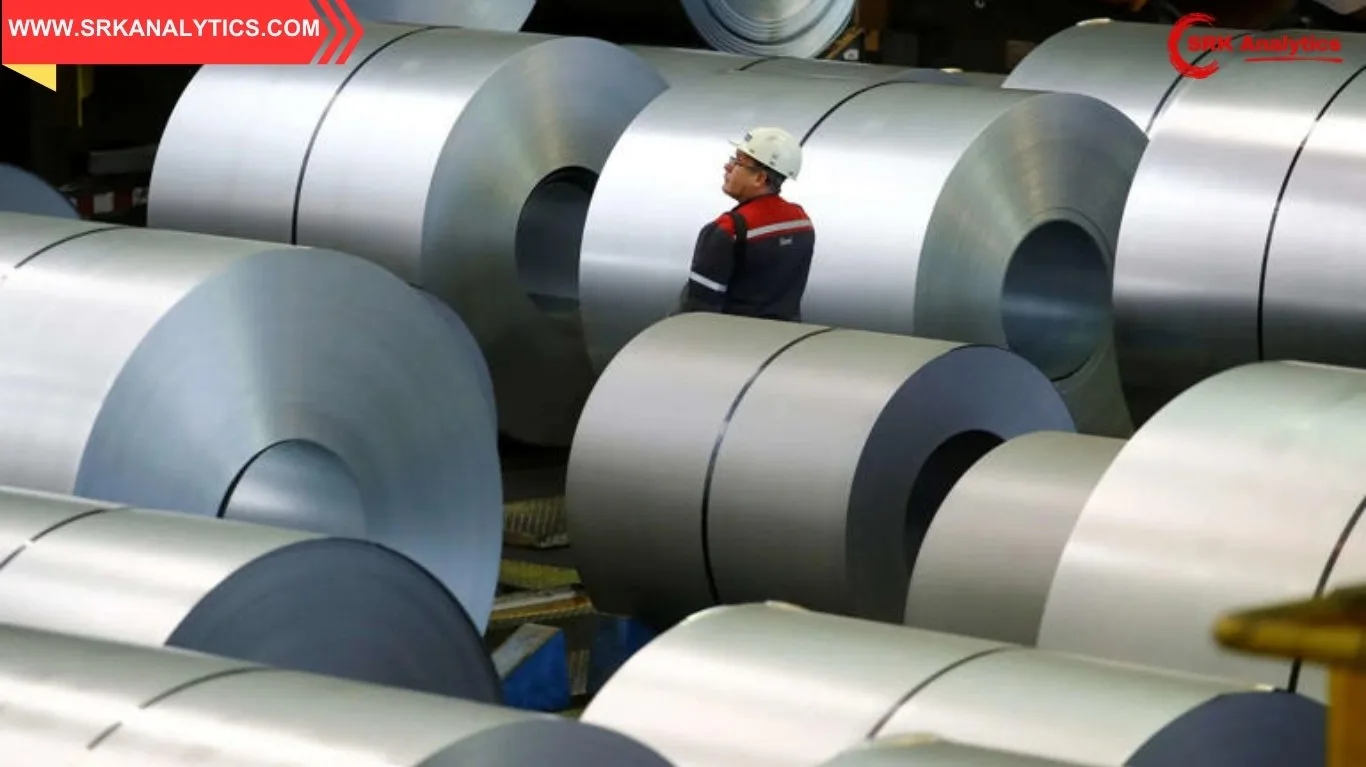
German industrial giant Thyssenkrupp AG is reportedly considering a phased sale of its steel division, Thyssenkrupp Steel Europe (TKSE), to Jindal Steel International, according to sources familiar with the matter. The move, if finalized, would mark one of the most significant cross-border transactions in the global steel industry, reshaping the competitive landscape and strengthening India’s footprint in Europe’s industrial sector.
Background of the Potential Deal
- Thyssenkrupp Steel Europe (TKSE) has long been a cornerstone of Germany’s industrial base, producing high-quality steel for automotive, construction, and engineering sectors.
- However, rising energy costs, global competition, and sustainability pressures have weighed heavily on TKSE’s profitability.
- Thyssenkrupp has been exploring strategic options for its steel division, including partnerships, spin-offs, and outright sales.
- Jindal Steel International, part of the Jindal Group, has emerged as a strong contender, with sources indicating that a phased acquisition structure is under discussion.
Key Highlights of the Report
| Indicator | Details |
|---|---|
| Seller | Thyssenkrupp AG |
| Division | Thyssenkrupp Steel Europe (TKSE) |
| Potential Buyer | Jindal Steel International |
| Deal Structure | Phased sale under consideration |
| Strategic Rationale | Address TKSE’s financial challenges, strengthen Jindal’s global presence |
| Broader Impact | Reshapes global steel industry, enhances India-Europe industrial ties |
Implications of TKSE Sale to Jindal Steel
| Factor | Positive Impact | Challenges | Long-Term Implication |
|---|---|---|---|
| Thyssenkrupp | Reduces financial burden, focuses on core businesses | Loss of historic steel division | Positions company for industrial restructuring |
| Jindal Steel International | Expands global footprint, gains access to European market | Integration risks, regulatory hurdles | Strengthens India’s global steel leadership |
| European Market | Potential infusion of capital and efficiency | Concerns over foreign ownership | Enhances competitiveness and sustainability |
| Indian Market | Boosts reputation of Indian steelmakers | Managing global operations | Inspires confidence in Indian industrial capabilities |
| Global Steel Industry | Creates new competitive dynamics | Market volatility | Redefines supply chains and partnerships |
Why This Story Matters
- Industrial Restructuring: Reflects Thyssenkrupp’s ongoing transformation amid global challenges.
- India’s Rise: Highlights the growing influence of Indian companies in global industrial sectors.
- Economic Impact: Potentially reshapes trade flows and supply chains between Europe and Asia.
- Policy Debate: Raises questions about foreign ownership of strategic industries in Europe.
- Global Narrative: Demonstrates the interconnectedness of industrial strategies across continents.
Thyssenkrupp’s Strategic Rationale
| Attribute | Details |
|---|---|
| Financial Challenges | Rising energy costs, declining margins |
| Sustainability Pressures | Need to invest in green steel technologies |
| Strategic Focus | Shift toward engineering, submarines, and industrial solutions |
| Divestment Goal | Reduce exposure to cyclical steel industry |
| Current Status | Exploring phased sale options with Jindal Steel International |
Thyssenkrupp’s decision to consider a phased sale reflects its desire to balance financial relief with a smooth transition for TKSE’s operations and workforce.
Jindal Steel International’s Ambitions
| Attribute | Details |
|---|---|
| Parent Group | Jindal Group |
| Global Strategy | Expand footprint in Europe and Asia |
| Strengths | Strong financial base, expertise in steel manufacturing |
| Strategic Goal | Access advanced technology and European customer base |
| Current Status | Engaged in discussions for phased acquisition |
For Jindal Steel International, acquiring TKSE would represent a landmark achievement, positioning the company as a global leader in steel production and innovation.
Expert Opinions
- Economists: Stress that the deal could strengthen India’s industrial presence globally.
- Market Analysts: Highlight integration risks and regulatory scrutiny in Europe.
- Policy Makers: Debate the implications of foreign ownership of strategic assets.
- Industry Leaders: Emphasize the potential for technology transfer and sustainability initiatives.
Challenges Ahead
- Regulatory Approvals: European authorities may scrutinize the deal for competition and security concerns.
- Integration Risks: Aligning operations, workforce, and culture across continents.
- Market Volatility: Global steel prices and demand fluctuations could affect deal economics.
- Sustainability Goals: Meeting Europe’s stringent green steel targets.
- Public Perception: Addressing concerns about foreign ownership of historic German industries.
Opportunities for Both Companies
- Technology Transfer: Jindal gains access to advanced European steel technologies.
- Market Expansion: Thyssenkrupp benefits from Jindal’s presence in Asia.
- Sustainability Collaboration: Joint efforts in green steel production.
- Global Partnerships: Strengthen India-Europe industrial ties.
- Economic Growth: Boosts confidence in cross-border industrial investments.
Broader Context of Global Steel Industry
- The steel industry is undergoing a transformation driven by sustainability, digitalization, and globalization.
- Europe faces challenges from high energy costs and competition from Asia.
- Indian companies are increasingly stepping into global markets, leveraging cost advantages and strategic investments.
- The potential Thyssenkrupp-Jindal deal reflects these broader dynamics.
Public Sentiment
- German stakeholders express mixed views, balancing financial relief with concerns over heritage.
- Indian industry leaders celebrate the potential expansion of Jindal Steel International.
- Global investors watch closely, anticipating ripple effects across the steel industry.
- Overall sentiment reflects cautious optimism and anticipation.
Media Coverage
- Headlines emphasize Thyssenkrupp’s consideration of a phased sale.
- Analysts debate the feasibility and implications of the deal.
- Coverage highlights the strategic ambitions of Jindal Steel International.
- The story continues to dominate discussions in industrial and financial circles.
Conclusion
The potential phased sale of Thyssenkrupp Steel Europe (TKSE) to Jindal Steel International represents a pivotal moment in the global steel industry. For Thyssenkrupp, it offers financial relief and strategic focus. For Jindal, it provides a gateway to Europe and a chance to cement its status as a global steel leader. While challenges remain, the opportunities for collaboration, sustainability, and industrial growth are immense. The deal, if finalized, could redefine the future of steel across continents.
Disclaimer
This article is intended for informational purposes only and does not constitute financial advice or endorsement. Corporate strategies, market conditions, and investor sentiments are subject to change based on evolving circumstances. Readers are encouraged to consult financial experts before making investment decisions. The author and publisher are not responsible for any decisions made based on this article.