





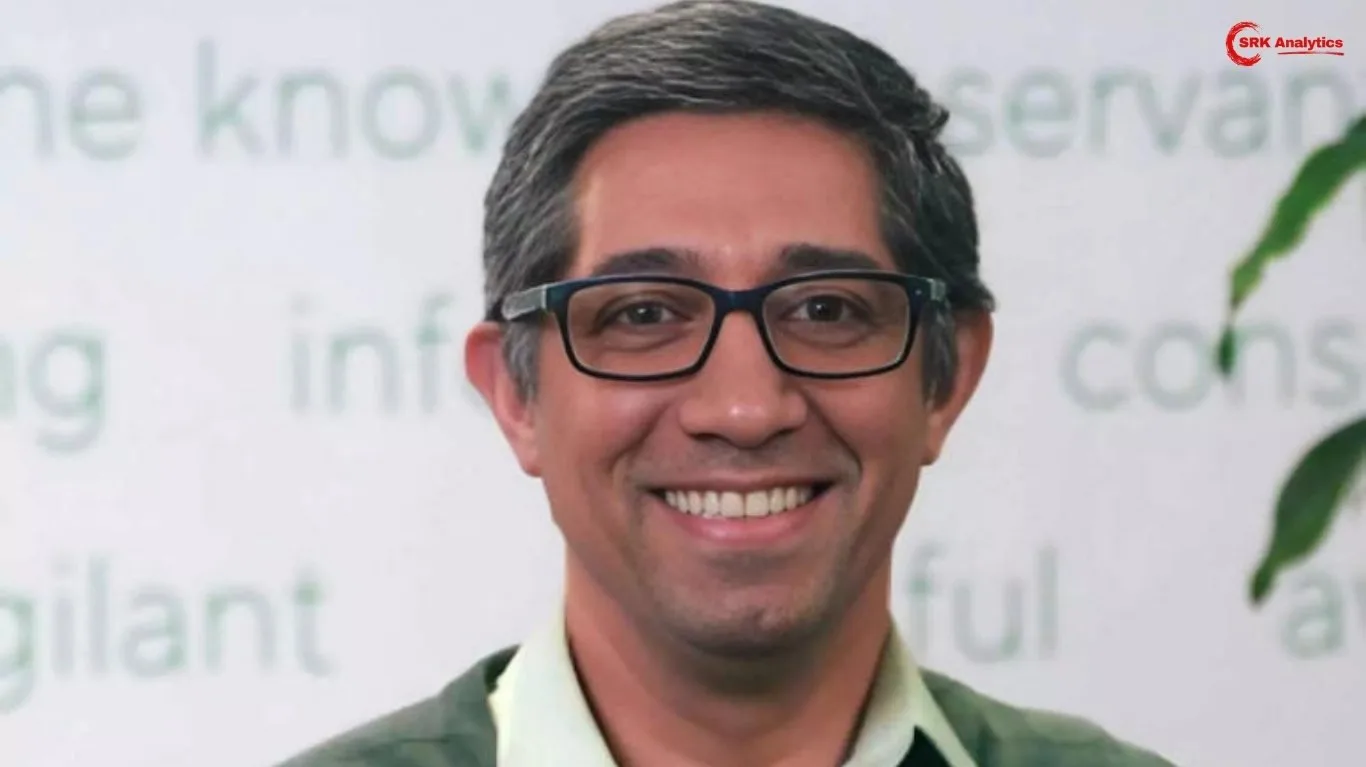
The rapid rise of Anthropic and other generative AI companies has sparked global debate about the future of large IT firms. Many analysts have warned that traditional outsourcing giants could face existential threats as AI reshapes workflows, automates processes, and reduces dependence on human labor. However, Cognizant’s AI chief has pushed back strongly against this narrative, calling such fears “overblown” and emphasizing that IT services companies are well-positioned to thrive in the AI era.
Cognizant’s Perspective on AI Disruption
According to Cognizant’s AI leadership:
- AI is an enabler, not a replacement: Large IT firms can integrate AI into their existing service models to enhance efficiency.
- Client trust matters: Enterprises prefer established IT partners with proven track records rather than relying solely on emerging AI startups.
- Hybrid models will dominate: AI tools like Anthropic’s Claude will complement, not replace, human expertise.
- Scale and infrastructure: Large IT firms have the scale to deploy AI solutions across industries at speed.
Anthropic’s Role in the AI Revolution
Anthropic, founded by former OpenAI researchers, has quickly become a major player in the generative AI space. Its Claude AI models are being adopted across industries for:
- Customer support automation.
- Knowledge management and document summarization.
- Risk analysis and compliance monitoring.
- Software development assistance.
While disruptive, Cognizant argues that such tools are opportunities for integration rather than existential threats.
Comparative Analysis: IT Firms vs. AI Startups
| Factor | Large IT Firms (e.g., Cognizant, Infosys, TCS) | AI Startups (e.g., Anthropic, OpenAI) |
|---|---|---|
| Scale | Global workforce, multi-billion contracts | Agile, smaller teams |
| Trust | Long-term enterprise relationships | Rapid adoption, but limited history |
| Services | End-to-end IT, consulting, cloud, cybersecurity | Focused AI-driven solutions |
| Risk | Diversified portfolio | Dependent on AI adoption trends |
| Opportunity | AI integration into existing services | Disruption of niche workflows |
This comparison shows that while AI startups innovate rapidly, IT firms hold structural advantages in scale, trust, and diversified offerings.
Pivoting to Industry Impact
The debate around AI disruption has broader implications:
- Workforce transformation: IT firms will reskill employees to work alongside AI.
- Client expectations: Enterprises will demand AI-enabled solutions as standard.
- Competitive landscape: Collaboration between IT firms and AI startups may become the norm.
- Regulatory frameworks: Large IT firms are better equipped to navigate compliance in AI adoption.
Cognizant’s AI Strategy
Cognizant has outlined a clear roadmap:
- AI Centers of Excellence: Dedicated hubs to develop and deploy AI solutions.
- Partnerships with AI startups: Collaborating with Anthropic and others to integrate cutting-edge tools.
- Reskilling programs: Training employees in AI, data science, and automation.
- Client-focused innovation: Tailoring AI solutions to industry-specific needs such as healthcare, banking, and retail.
Media and Analyst Reactions
The statement by Cognizant’s AI chief has generated significant discussion:
- Supporters argue that IT firms’ resilience and adaptability have been proven in past disruptions (cloud, mobile, digital transformation).
- Critics warn that underestimating AI startups could be risky, as their pace of innovation is unprecedented.
- Analysts highlight that the future may not be about competition but collaboration between IT giants and AI innovators.
Historical Context of Tech Disruption
IT firms have faced similar challenges before:
- Cloud computing: Initially seen as a threat, later integrated into IT services.
- Automation tools: Once feared, now part of standard delivery models.
- Digital transformation: IT firms adapted and thrived by leading enterprise adoption.
AI disruption may follow a similar trajectory, with IT firms evolving rather than collapsing.
Expected Outcomes
- Stronger IT-AI partnerships.
- Resilient IT business models integrating AI.
- New revenue streams from AI-driven consulting.
- Balanced ecosystem where startups innovate and IT firms scale.
Challenges Ahead
Despite optimism, IT firms must address:
- Talent gaps in AI expertise.
- Cost pressures from integrating advanced AI tools.
- Client skepticism about AI replacing traditional services.
- Global competition from both startups and rival IT firms.
Future Outlook
Cognizant’s stance suggests that large IT firms will remain central players in the AI era. By combining scale, trust, and adaptability, they can leverage AI to enhance services rather than be displaced. The narrative of existential threat may be exaggerated, but the need for transformation is undeniable.
Disclaimer
This article is a journalistic analysis based on publicly available statements and industry developments. It does not represent official financial disclosures or contractual commitments. Readers should treat this as an informative overview rather than a definitive account of corporate strategy.