




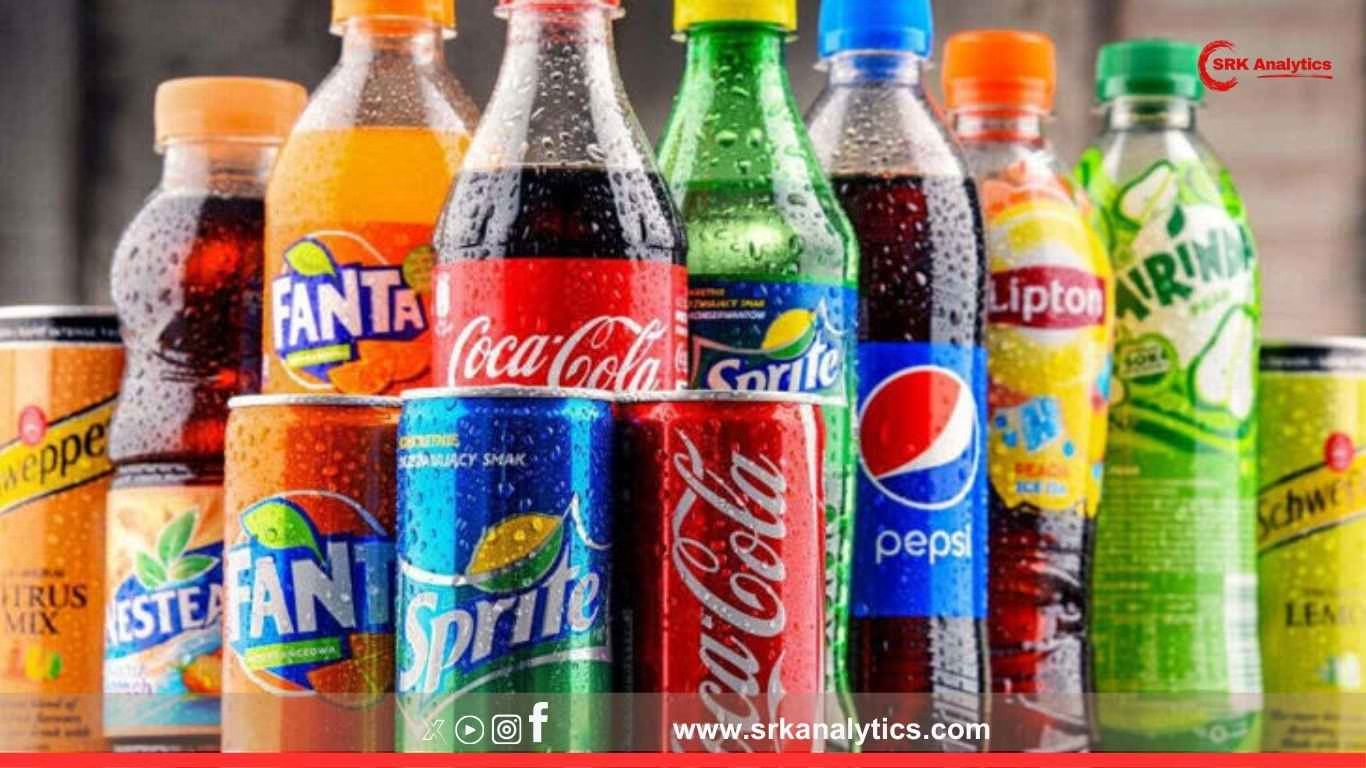
The Indian Beverage Association (IBA) has called on the government to reduce the Goods and Services Tax (GST) on aerated beverages from the current 28% to 18%, arguing that the existing high tax rate is stifling growth in the beverage sector, harming allied industries, and hurting farmer incomes. The request comes ahead of upcoming budget discussions, where industry bodies across sectors are lobbying for favorable taxation policies.
IBA’s Argument for Tax Reduction
According to the IBA, the current 28% GST slab, coupled with an additional 12% compensation cess, has made aerated beverages one of the most heavily taxed consumer products in India. This translates into an effective tax burden of 40%, which the association argues is unsustainable for industry growth.
The IBA believes a reduced 18% GST rate would:
- Encourage consumption by making aerated beverages more affordable.
- Generate higher demand, creating more employment opportunities.
- Boost allied industries such as sugar, fruit pulp, and packaging.
- Increase farmer incomes, especially for fruit growers supplying pulp for juices and fruit-based drinks.
Impact of High GST on Aerated Drinks
The aerated beverage sector has faced challenges since the introduction of GST in 2017. Industry reports highlight that high taxation has led to sluggish sales growth, reduced investment in the sector, and increased burden on small retailers.
Current Tax Structure
| Product Category | GST Rate | Compensation Cess | Effective Tax Burden |
|---|---|---|---|
| Aerated Beverages | 28% | 12% | 40% |
| Packaged Drinking Water | 18% | 0% | 18% |
| Juices & Fruit Beverages | 12% | 0% | 12% |
| Dairy-based Beverages | 12% | 0% | 12% |
The sharp difference in taxation between aerated drinks and other beverages creates a distortion in consumer demand, discouraging investment in carbonated beverage categories.
Global Comparison of Beverage Taxation
India’s effective tax rate on aerated beverages is among the highest in the world.
| Country | Average Tax Rate on Aerated Drinks | Remarks |
|---|---|---|
| India | 40% (28% GST + 12% cess) | Among highest globally |
| USA | 10–12% (varies by state) | Lower burden, promotes consumption |
| UK | 18–20% (Sugar Tax + VAT) | Linked to sugar content |
| China | 13% VAT | Lower tax rate supports market growth |
| Brazil | 15–17% | Balanced approach to revenue and affordability |
The IBA has stressed that India’s tax framework is globally uncompetitive, making it difficult for companies to expand their footprint.
Economic Significance of the Beverage Sector
The beverage industry in India employs millions across its value chain—from farmers to factory workers to retailers. Lowering GST could act as a growth multiplier.
Estimated Industry Contribution
| Factor | Current Contribution | Potential Contribution with 18% GST |
|---|---|---|
| Employment | 6 million jobs | 7.5 million jobs |
| Farmer Incomes | ₹8,000 crore annually | ₹12,000 crore annually |
| Tax Revenue | ₹12,000 crore annually | ₹15,000 crore annually (due to higher consumption) |
| Sector Growth Rate | 3–4% CAGR | 8–9% CAGR |
The IBA argues that a tax cut will not necessarily reduce government revenue. Instead, higher volumes and increased consumption could expand the tax base, resulting in sustained or even increased collections.
Farmers and Allied Industries at the Core
A critical part of the IBA’s pitch is the impact on farmers, especially fruit growers. Aerated beverages are increasingly blended with fruit pulp to align with consumer demand for healthier alternatives.
If the cost burden reduces, companies can scale production of fruit-based carbonated drinks, which would increase the demand for fruits like mango, orange, and litchi. This would directly translate into higher procurement from Indian farmers, supporting rural livelihoods.
Additionally, industries such as sugar processing, packaging, and logistics would benefit from an uptick in demand.
Industry Reactions
- Retailers’ Associations have highlighted that reduced taxation could boost sales at kirana stores and increase consumer footfall.
- Small Manufacturers believe the tax cut could level the playing field with juices and dairy-based beverages.
- Public Health Experts remain cautious, emphasizing the need for a balance between affordability and health concerns.
Public Health vs. Industry Growth Debate
One of the key reasons the government has kept aerated drinks under the highest tax slab is the concern over their perceived health impact, particularly regarding obesity and diabetes.
However, the IBA has countered this by pointing out that many aerated beverages now contain reduced sugar variants, zero-calorie options, and fruit-based carbonated drinks. They argue that lumping all aerated beverages into the same high tax bracket is unfair to companies innovating with healthier options.
Government’s Position
While the government has not yet formally responded to IBA’s latest appeal, officials have previously stated that aerated beverages fall under the “luxury and demerit goods” category, justifying the high tax rate.
However, in light of the upcoming budget and industry push, there could be room for reconsideration. If accepted, the move would mark a significant policy shift in India’s GST regime.
Expert Views
- Economist: “Reducing GST to 18% may look like a revenue loss on paper, but in reality, it could expand the consumption base and increase government revenue over the medium term.”
- Policy Analyst: “The government needs to strike a balance between encouraging industry growth and addressing health-related concerns.”
- Industry Insider: “A favorable tax regime would not only help large companies but also support small and medium enterprises involved in bottling and distribution.”
Way Forward
The IBA has reiterated its commitment to sustainable industry practices, healthier product innovation, and farmer integration into the beverage supply chain. A reduction in GST could accelerate these initiatives.
The final decision lies with the GST Council, which reviews tax slab changes periodically. A favorable recommendation could potentially be included in the upcoming Union Budget.
Conclusion
The Indian Beverage Association’s call to reduce GST on aerated drinks from 28% to 18% is not just about lowering consumer prices—it’s about reviving an industry, boosting farmer incomes, and creating millions of jobs. While health concerns remain an important counterpoint, a balanced tax policy could encourage innovation in healthier beverage alternatives while supporting economic growth.
As the government weighs its options, industry stakeholders remain hopeful that India’s beverage sector will soon be given the tax relief it has long demanded.
Disclaimer: This article is for informational purposes only and does not constitute tax, legal, or financial advice. Readers are advised to consult professionals before making business or policy decisions.