






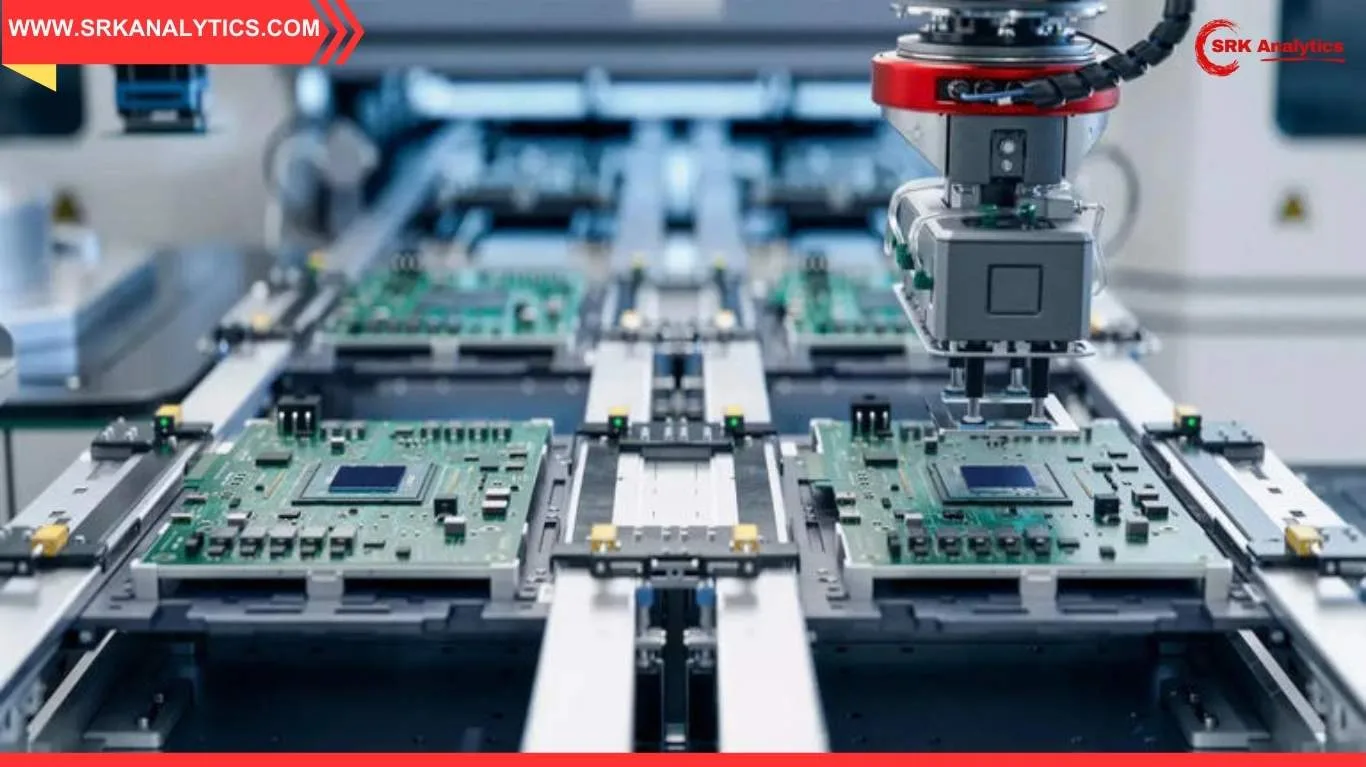
India’s semiconductor ambitions have taken a historic leap forward as Tata Electronics officially partners with Intel to manufacture advanced chips and AI‑powered laptops at two massive semiconductor plants worth $14 billion. The development marks one of the most significant milestones in India’s technology manufacturing journey, positioning the country as a rising force in the global chip ecosystem.
According to reports, Tata Electronics has secured Intel as the first major customer for its upcoming semiconductor fabrication and assembly‑testing facilities, signalling strong global confidence in India’s manufacturing capabilities.
The two plants—one in Gujarat and the other in Assam—are part of India’s broader push to reduce dependence on imported chips, strengthen supply chain resilience, and attract global semiconductor giants amid a worldwide shift away from China.
✅ India’s Biggest Semiconductor Push Yet
Tata Electronics is building:
- A semiconductor fabrication plant (fab) in Gujarat, responsible for manufacturing silicon wafers and Intel chips.
- An assembly, testing, marking, and packaging (ATMP) facility in Assam, which will handle chip packaging and prepare them for integration into devices like AI laptops and computers.
The combined investment of nearly $14 billion makes this one of the largest tech manufacturing expansions in India’s history.
Intel and Tata Electronics will also collaborate to rapidly scale AI‑powered PC solutions for both consumer and enterprise markets in India.
✅ Key Highlights
- Tata Electronics to manufacture Intel chips at its new semiconductor fab in Gujarat.
- Assam ATMP plant to package and test chips for global and domestic markets.
- Intel becomes Tata’s first major customer for the new facilities.
- AI‑powered laptops and PCs to be jointly developed for Indian consumers.
- Marks a major step in India’s ambition to become a global semiconductor hub.
✅ Why Intel–Tata Partnership Matters
This partnership is a breakthrough for India because:
- It brings cutting‑edge chip manufacturing to Indian soil.
- It reduces India’s reliance on imported semiconductors.
- It positions India as a competitive alternative to China, Taiwan, and South Korea.
- It strengthens India’s electronics supply chain, especially for AI devices.
Intel’s decision to work with Tata Electronics is seen as a strong endorsement of India’s semiconductor readiness and policy framework.
✅ Statistical Overview of Tata’s Semiconductor Expansion
| Category | Details | Sources |
|---|---|---|
| Total Investment | $14 billion | The Financial Express |
| Gujarat Fab | Chip manufacturing | The Financial Express |
| Assam ATMP Plant | Packaging & testing | The Financial Express |
| First Major Customer | Intel | India Today |
| Focus Products | Intel chips, AI laptops | The Financial Express India Today |
| Strategic Goal | India as global chip hub | manufacturing.economictimes.indiatimes.com |
✅ Impact of the $14B Semiconductor Plants
| Factor | Impact on India | Impact on Tata Electronics | Impact on Intel |
|---|---|---|---|
| Chip Manufacturing | Boosts self‑reliance | Positions Tata as global chipmaker | Expands supply chain beyond China |
| AI Laptop Production | Strengthens domestic electronics | Opens new product lines | Supports AI PC expansion |
| Global Supply Chain | Enhances India’s role | Attracts more global clients | Reduces geopolitical risk |
| Job Creation | Thousands of skilled jobs | Builds semiconductor talent pool | Access to cost‑efficient manufacturing |
| Long‑term Outlook | India becomes chip hub | Tata becomes tech powerhouse | Stronger Asia‑Pacific presence |
✅ What Will Be Manufactured?
✅ 1. Intel Chips
The Gujarat fab will produce Intel’s advanced semiconductor chips, used in:
- Laptops
- Desktops
- Servers
- AI‑powered devices
✅ 2. AI‑Powered Laptops
Tata and Intel will jointly develop AI laptops tailored for Indian consumers and enterprises, tapping into the booming AI PC market.
✅ 3. Packaged & Tested Chips
The Assam ATMP plant will handle:
- Chip packaging
- Testing
- Quality assurance
- Final preparation for global distribution
✅ India’s Semiconductor Vision
Prime Minister Narendra Modi has repeatedly emphasized India’s goal of becoming a global semiconductor powerhouse, rivaling Taiwan and South Korea.
The Tata–Intel partnership aligns with:
- India’s Semiconductor Mission
- “Make in India”
- Electronics manufacturing expansion
- Reducing dependence on China
The global chip supply chain is undergoing a major shift, and India aims to capture a significant share of the market.
✅ Industry Reactions
Industry experts have hailed the partnership as:
- A “game‑changer” for India’s semiconductor ecosystem
- A sign of global trust in India’s manufacturing capabilities
- A major step toward supply chain diversification
Economists believe the move will attract more global chipmakers to India, including companies exploring alternatives to China.
✅ Extended Analysis: What This Means for India’s Future
1. India Becomes a Semiconductor Player
For decades, India relied heavily on imported chips. This partnership marks the beginning of domestic chip production at scale.
2. Boost to AI and Electronics Manufacturing
AI laptops and PCs will be manufactured locally, reducing costs and increasing accessibility.
3. Massive Job Creation
Semiconductor fabs and ATMP plants create thousands of high‑skill jobs in engineering, materials science, and electronics.
4. Strengthening National Security
Domestic chip manufacturing reduces vulnerabilities in critical sectors like defence, telecom, and infrastructure.
5. Global Supply Chain Realignment
As companies diversify away from China, India becomes a preferred destination for semiconductor investments.
✅ Conclusion
Tata Electronics’ decision to manufacture Intel chips and AI laptops at its $14 billion semiconductor plants marks a defining moment in India’s technological evolution. With Intel as its first major customer, Tata is set to transform India into a global semiconductor hub, strengthen the country’s electronics supply chain, and accelerate the adoption of AI‑powered devices.
The Gujarat and Assam plants represent not just industrial expansion, but a strategic shift in India’s global positioning—one that could reshape the future of technology manufacturing in Asia.
✅ Disclaimer
This article is based on publicly available news reports, industry statements, and expert analysis. It is intended solely for informational and editorial purposes, offering insights into Tata Electronics’ semiconductor expansion and its partnership with Intel.




If you’re trying to discover what season you are in terms of color analysis, it serves to start with a elementary color season test or quiz that analyzes your skin tone, undertones, and hair color. Many people with fair skin wonder if colors like sage green or burnt orange will flatter them, and knowing whether you match with a cool deep summer color palette or a soft autumn color palette can make selecting clothing and makeup much more convenient. Tools like a hair dye simulator or color palette test online can also provide you a visual idea before making any significant changes.
For those with yellow undertone skin, certain shades like olive green or colors from the bright winter palette might look great, while others might not complement as well. Comprehending color theory for skin tone and learning how to find your season through free seasonal color analysis can be a transformation. If you want to investigate this further, you can get some helpful resources here colour season that include color analysis season quizzes and virtual hair color try-ons to play with different hair colors and palettes.