




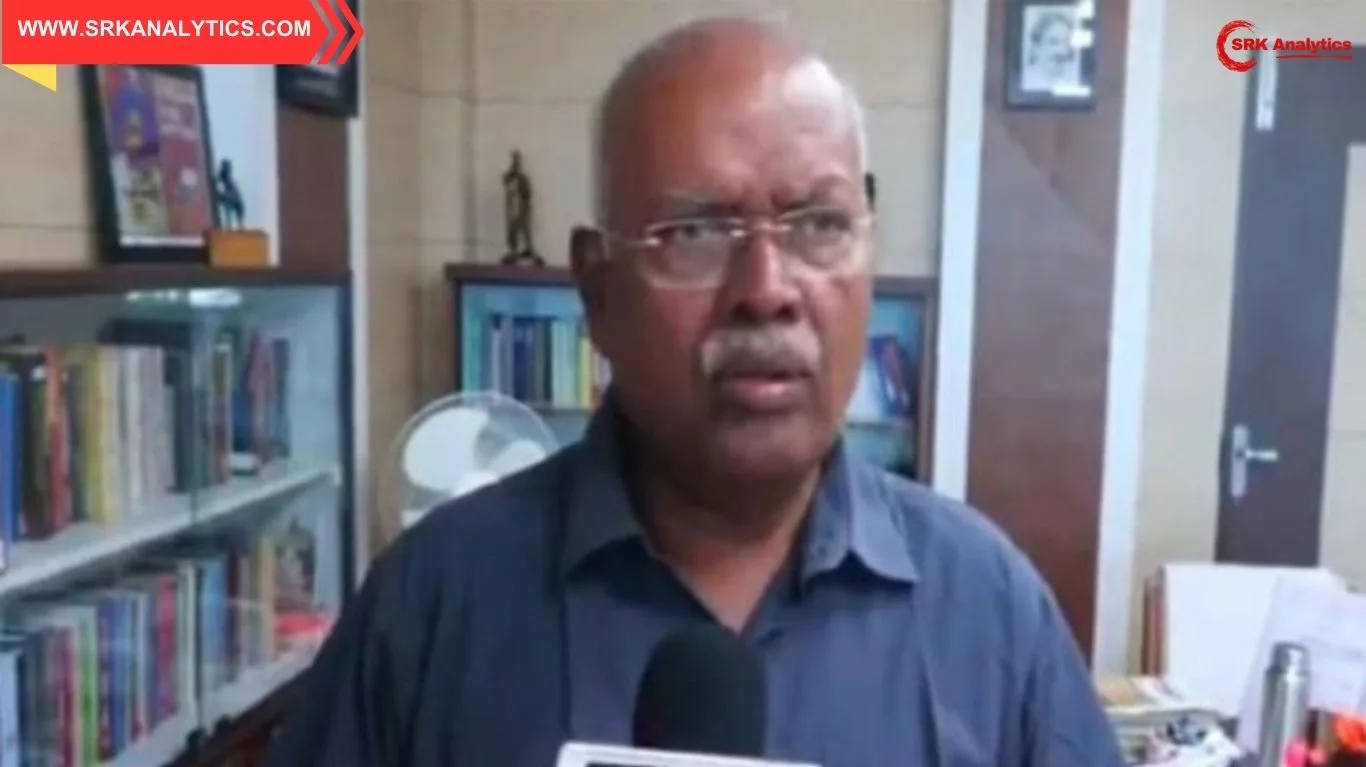
Tamil Nadu has unveiled an ambitious roadmap to transform its economy into a $1 trillion powerhouse by 2030, with State Planning Commission Vice-Chairman J. Jeyaranjan highlighting the key pillars of growth. The strategy emphasizes industrial expansion, infrastructure development, technology adoption, and inclusive growth, positioning Tamil Nadu as a leading contributor to India’s overall economic trajectory.
Background
Tamil Nadu is already one of India’s most industrialized states, contributing significantly to manufacturing, services, and exports. With a strong base in automobiles, textiles, IT services, and renewable energy, the state aims to leverage its strengths while diversifying into emerging sectors.
- Current Economy: Tamil Nadu’s Gross State Domestic Product (GSDP) is estimated at around $350 billion.
- Target: Achieve nearly threefold growth to reach $1 trillion by 2030.
- Strategic Vision: Focus on sustainable, inclusive, and technology-driven development.
Key Pillars of the $1 Trillion Strategy
- Industrial Growth
- Expansion of automobile, electronics, and textile clusters.
- Promotion of semiconductor and advanced manufacturing hubs.
- Strengthening MSMEs through credit and technology support.
- Infrastructure Development
- Upgrading ports, airports, and logistics corridors.
- Expanding metro rail and urban transport systems.
- Investment in renewable energy and smart grids.
- Technology & Innovation
- Encouraging startups in AI, biotech, and fintech.
- Building research and innovation centers in collaboration with universities.
- Digital transformation of governance and services.
- Agriculture & Rural Economy
- Modernizing agriculture with precision farming.
- Expanding food processing industries.
- Enhancing rural employment through cooperative models.
- Human Capital Development
- Skill development programs aligned with industry needs.
- Strengthening higher education and vocational training.
- Promoting women’s participation in the workforce.
Comparative Analysis of Tamil Nadu’s Growth Sectors
| Sector | Current Contribution | 2030 Target Contribution | Growth Strategy |
|---|---|---|---|
| Manufacturing | 30% | 40% | Expand auto, electronics, textiles |
| Services | 45% | 50% | IT, fintech, tourism |
| Agriculture | 15% | 10% | Modernization, food processing |
| Renewable Energy | 5% | 12% | Solar, wind, green hydrogen |
| Infrastructure | 5% | 8% | Ports, logistics, smart cities |
Tamil Nadu’s Roadmap vs National Economic Goals
| Category | Tamil Nadu Strategy | National Impact | Strategic Outlook |
|---|---|---|---|
| Industrialization | Advanced clusters, MSME support | Boosts India’s manufacturing share | Strengthens “Make in India” |
| Infrastructure | Ports, logistics, metro expansion | Enhances national connectivity | Supports export growth |
| Technology | AI, biotech, fintech startups | Positions India as innovation hub | Global competitiveness |
| Human Capital | Skill development, women empowerment | Expands workforce participation | Inclusive growth |
| Sustainability | Renewable energy push | Reduces carbon footprint | Aligns with climate goals |
Reactions from Stakeholders
- Government Officials: Emphasized Tamil Nadu’s role as a model for other states.
- Industry Leaders: Welcomed the focus on manufacturing and technology.
- Economists: Highlighted the feasibility of the $1 trillion target with consistent reforms.
- Citizens: Expressed optimism about job creation and infrastructure improvements.
Broader Implications
Tamil Nadu’s roadmap has implications beyond state boundaries:
- National Growth: Contributes significantly to India’s $5 trillion economy target.
- Global Positioning: Enhances India’s competitiveness in exports and innovation.
- Social Impact: Promotes inclusive growth with rural and women-focused initiatives.
- Environmental Sustainability: Strengthens India’s renewable energy leadership.
Future Outlook
Analysts predict several outcomes if Tamil Nadu successfully implements its roadmap:
- Industrial Expansion: Tamil Nadu could emerge as Asia’s leading automobile and electronics hub.
- Technology Leadership: The state may become a global center for AI and biotech innovation.
- Employment Growth: Millions of new jobs across manufacturing, services, and rural sectors.
- Global Partnerships: Increased foreign direct investment (FDI) in high-tech and infrastructure projects.
Conclusion
Tamil Nadu’s strategy to achieve a $1 trillion economy by 2030, as outlined by Jeyaranjan, reflects a bold vision rooted in industrial growth, infrastructure expansion, technological innovation, and inclusive development. While challenges remain, the roadmap positions Tamil Nadu as a key driver of India’s economic future, blending sustainability with competitiveness.
Disclaimer
This article is based on economic plans, public statements, and analytical interpretations. It is intended for informational purposes only and does not represent official positions of government institutions or individuals mentioned. Economic strategies are subject to change, and interpretations may vary as new information emerges.