









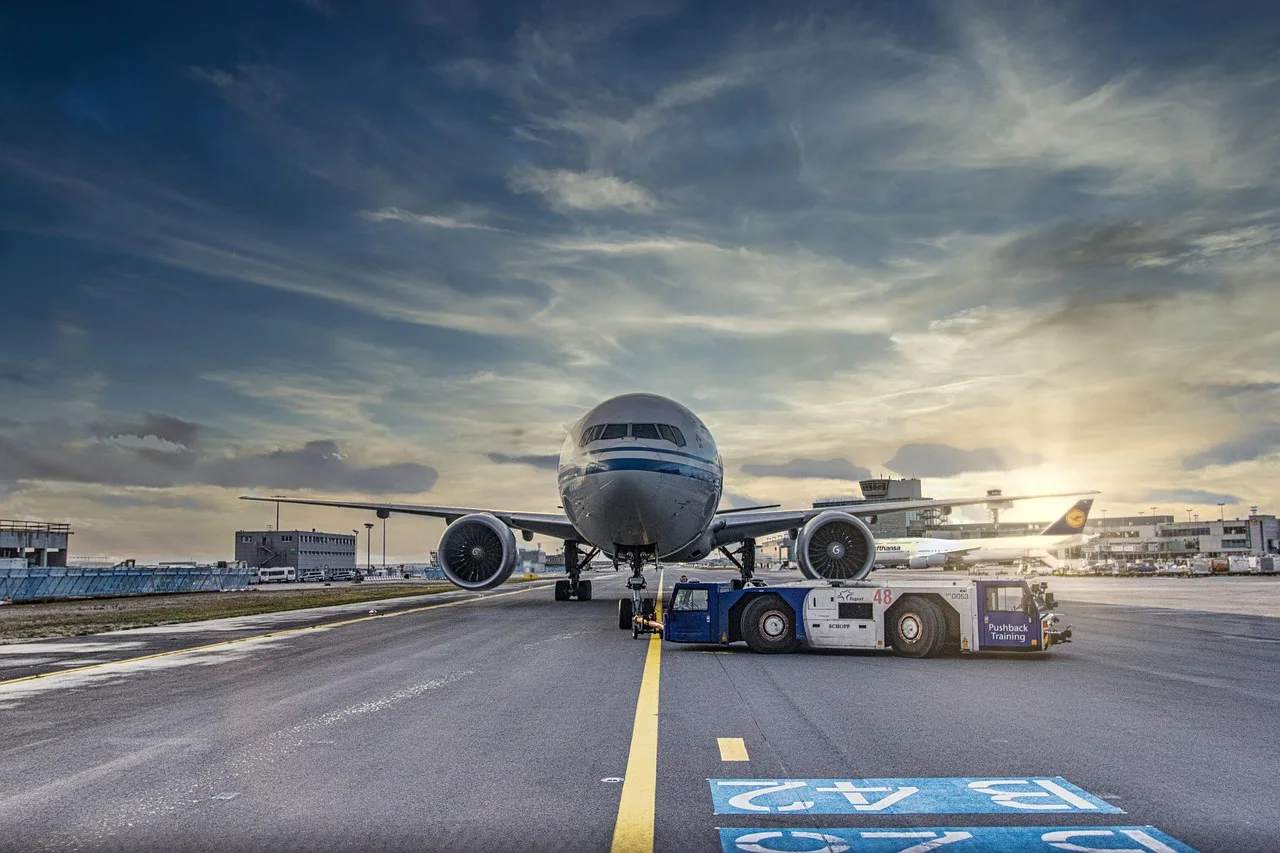
Expanding Operational Capacity
Indian low-cost carrier SpiceJet announced this week that it will induct three Airbus A320 aircraft into its fleet while simultaneously returning a grounded Boeing 737 MAX to active service. This strategic expansion aims to bolster the airline’s network capacity and improve operational reliability across its domestic and regional routes as travel demand continues to surge in the post-pandemic market.
The integration of these aircraft represents a significant move for the Gurgaon-based airline, which has faced intermittent supply chain and financial headwinds over the past year. By adding these units, the carrier seeks to stabilize its flight schedules and reduce the frequency of cancellations that have impacted its reputation in recent quarters.
Context of Fleet Modernization
SpiceJet has historically operated a mixed fleet, primarily composed of Boeing 737 variants and De Havilland Dash 8 Q400 turboprops. However, the airline has increasingly looked toward the Airbus A320 family to provide flexibility in its narrow-body operations. The return of the Boeing 737 MAX is particularly notable, as the model remains a cornerstone of the airline’s fuel-efficiency strategy.
The aviation industry in India is currently witnessing a period of intense competition, with major players like IndiGo and the Tata-owned Air India group aggressively expanding their own fleets. For SpiceJet, maintaining a consistent flight schedule is essential to retaining market share in a landscape where passengers prioritize punctuality and reliability above all other factors.
Operational and Market Dynamics
Industry analysts suggest that the addition of these four aircraft—three Airbus units and one Boeing 737 MAX—will provide the necessary buffer for SpiceJet’s maintenance rotations. Aviation consultant Rajesh Kumar noted that the move reflects a shift toward more proactive fleet management, allowing the airline to swap aircraft without disrupting the entire network.
Data from the Directorate General of Civil Aviation (DGCA) indicates that Indian air traffic has surpassed pre-2019 levels, putting immense pressure on existing airline capacity. By ungrounding the Boeing 737 MAX, SpiceJet is tapping into one of its most capable assets, which offers lower operating costs per seat compared to older generation aircraft in its inventory.
Industry Implications
For the broader aviation sector, SpiceJet’s move signals a broader trend of consolidation and capacity recovery. As airlines navigate rising fuel prices and currency fluctuations, the ability to deploy modern, fuel-efficient aircraft becomes the primary differentiator between profitability and financial strain.
The airline’s success in integrating these aircraft will be closely monitored by investors and regulatory bodies alike. If the induction proceeds according to schedule, SpiceJet may be better positioned to capitalize on the upcoming peak travel seasons. Industry watchers are now focusing on whether the airline can secure additional financing to sustain this momentum or if further fleet restructuring will be required to maintain long-term stability.