




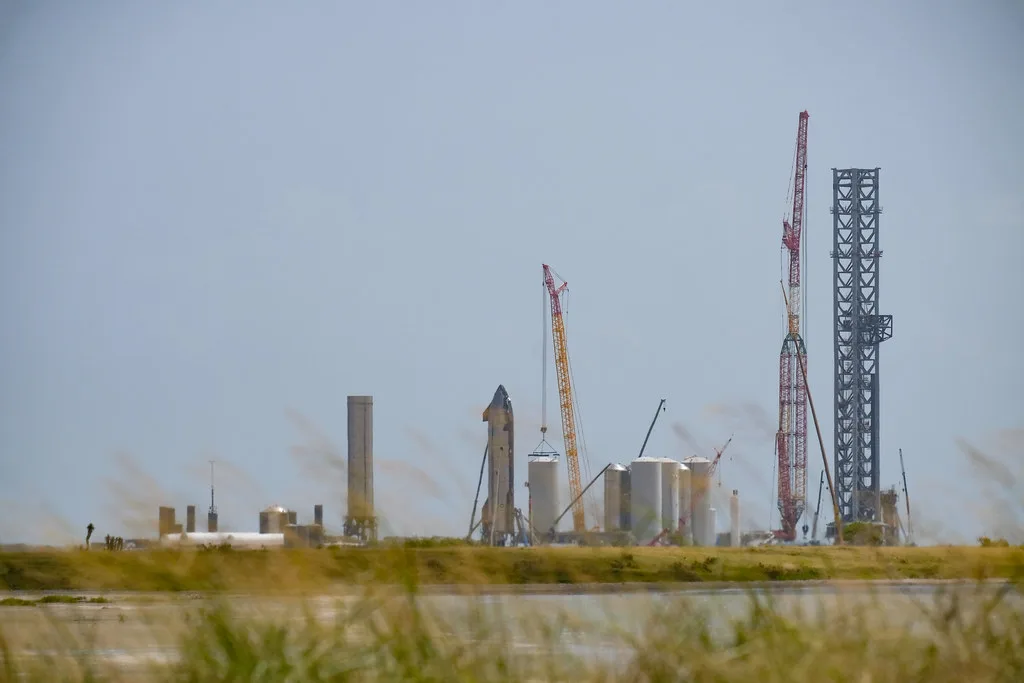
The Latest Chapter in SpaceX’s Starship Development
SpaceX successfully launched its massive Starship vehicle for its twelfth test flight this week, marking another high-stakes chapter in the company’s mission to achieve full reusability for the most powerful rocket ever built. The mission, conducted at the Starbase facility in Boca Chica, Texas, aimed to test advanced maneuvering and heat shield capabilities before concluding with a planned splashdown in the Indian Ocean. While the launch phase demonstrated significant progress in propulsion efficiency, the vehicle ultimately suffered a catastrophic structural failure upon reentry, bursting into flames during its final descent.
Context of the Starship Program
The Starship program represents the cornerstone of Elon Musk’s long-term vision to colonize Mars and facilitate rapid, heavy-lift transport across the solar system. As a two-stage system comprising the Super Heavy booster and the Starship upper stage, the rocket is designed to carry over 100 metric tons of payload to low Earth orbit. Previous test flights have focused on iterative improvements to the Raptor engines and the thermal protection system, which remains one of the most significant engineering hurdles for the program.
Evaluating the Flight Performance
The latest flight provided critical telemetry data regarding the thermal integrity of the spacecraft’s outer hull. During the ascent phase, the Super Heavy booster performed flawlessly, demonstrating improved stability and precise engine throttling that surpassed previous iterations. However, the upper stage encountered difficulties during the atmospheric reentry phase, leading to the observed disintegration of the vehicle.
Industry analysts note that these explosions are viewed internally as successful data collection exercises rather than failures. According to aerospace data from recent FAA filings, each flight provides thousands of sensor readings that inform software adjustments for subsequent launches. The rapid-prototyping model employed by SpaceX prioritizes flight-testing hardware over extensive ground-based simulation, a philosophy that has accelerated the program’s development timeline significantly.
Expert Perspectives and Industry Impact
Aerospace experts suggest that the failure to survive the final splashdown is a manageable setback in the broader context of rocket development. The data surrounding the heat shield’s performance under extreme plasma conditions is invaluable for refining the ceramic tiles that protect the ship. As the company moves closer to the requirements for NASA’s Artemis lunar missions, the pressure to demonstrate a reliable landing sequence grows increasingly intense.
Financial observers have also linked the success of these tests to SpaceX’s valuation and potential future IPO. Forbes reports that the consistency of these launches is essential for maintaining investor confidence as the company balances massive capital expenditures with the need for operational reliability. Successful flight outcomes would solidify Starship’s position as the primary vehicle for both governmental and commercial heavy-lift requirements for the next decade.
Future Implications for Orbital Transport
The focus for the next test flight will likely shift toward the precision of the landing burn and the durability of the heat shield under higher-velocity return trajectories. Engineers are expected to implement reinforced structural supports and updated guidance software to better manage the extreme thermal loads encountered during reentry. Observers should monitor upcoming FAA launch permits and ground testing schedules at Starbase to gauge how quickly the team intends to return to the pad for Flight 13.