









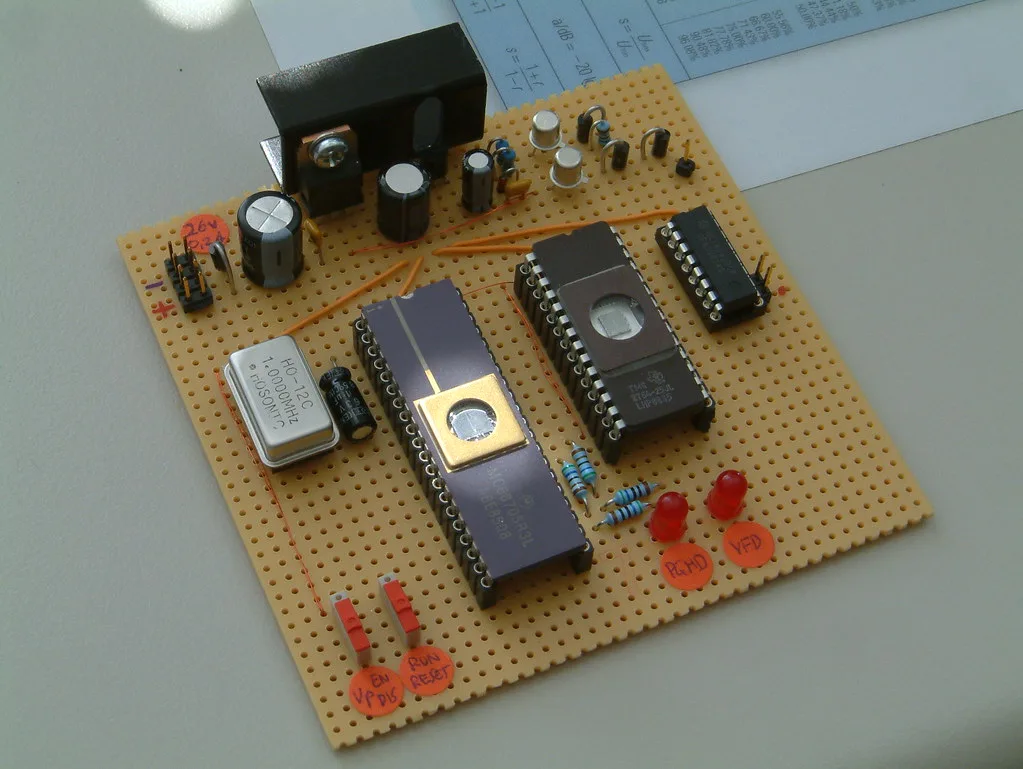
The Semiconductor Surge
Semiconductor stocks and their associated exchange-traded funds (ETFs) have emerged as the dominant force in the financial markets during the first half of 2026, driven by an insatiable global demand for artificial intelligence infrastructure. The iShares Semiconductor ETF (SOXX) has recorded an 89% year-to-date gain, reflecting a broader rally fueled by massive capital expenditure from major cloud providers seeking to upgrade their data center capabilities.
The Symbiotic Relationship Between AI and Hardware
The current market trajectory is defined by a tight feedback loop between AI software and hardware. AI systems require increasingly sophisticated chips to process complex algorithms, while simultaneously, AI design tools are accelerating the development and manufacturing efficiency of those very chips. This symbiotic relationship has created a powerful upcycle across the entire semiconductor value chain, encompassing everything from graphics processing units to advanced power management systems.
Financial Performance and Industry Growth
The financial data underscores the scale of this expansion, with semiconductor revenue hitting $298.5 billion in the first quarter of 2026, marking a 25% increase over the final quarter of 2025. Industry analysts at IDC project that the global semiconductor market will surpass the $1 trillion revenue threshold by the end of this year. This growth is being captured by ETFs like SOXX, which tracks the NYSE Semiconductor Index and provides exposure to 30 leading U.S.-listed companies, including industry stalwarts such as Micron Technology, Advanced Micro Devices, and Marvell Technology.
Understanding Market Volatility
Despite the current momentum, financial experts emphasize that the semiconductor sector remains inherently volatile. The rapid growth is predicated on sustained investment in AI; however, potential headwinds such as power grid constraints, data center construction delays, or a cooling of AI-related enthusiasm could disrupt the current trend. Investors are cautioned against viewing sector-specific ETFs as low-risk assets, noting that technology cycles are subject to rapid shifts and cyclical downturns.
Strategic Considerations for Investors
For those considering exposure to this sector, the primary recommendation is to maintain a focus on long-term diversification rather than short-term speculation. While the expense ratio for funds like SOXX remains competitive at 0.34%, the concentration of holdings means that portfolio risk is tied heavily to the performance of a few key players. Financial advisors suggest looking closely at the underlying assets of any ETF to ensure it aligns with a broader, risk-adjusted investment strategy.
Looking Ahead
Market watchers will be monitoring the second half of 2026 for signs of capacity saturation within the data center market. The primary focus for the industry will be whether semiconductor manufacturers can maintain the current pace of innovation while navigating potential regulatory shifts and global supply chain pressures. Continued monitoring of cloud provider capital expenditure reports will remain the most critical indicator of whether this sector’s rally has further room to run.