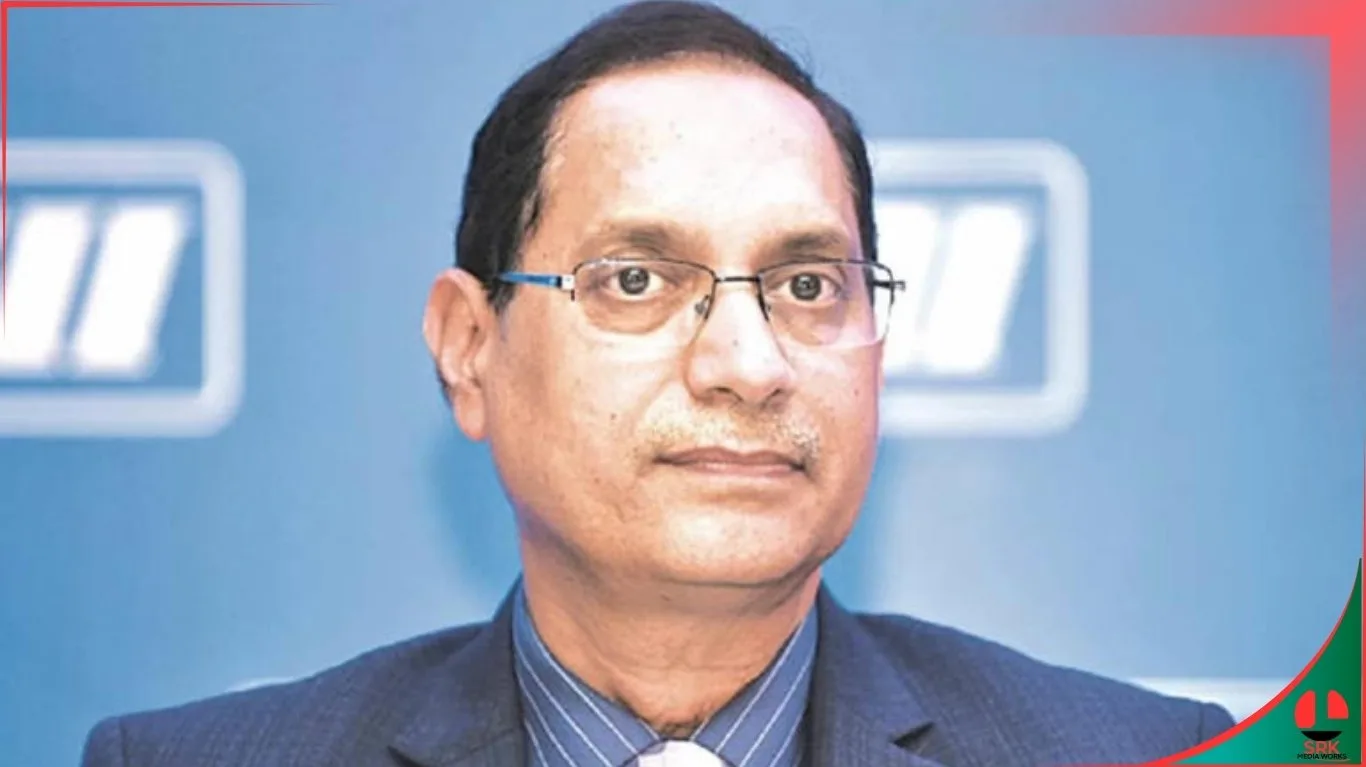





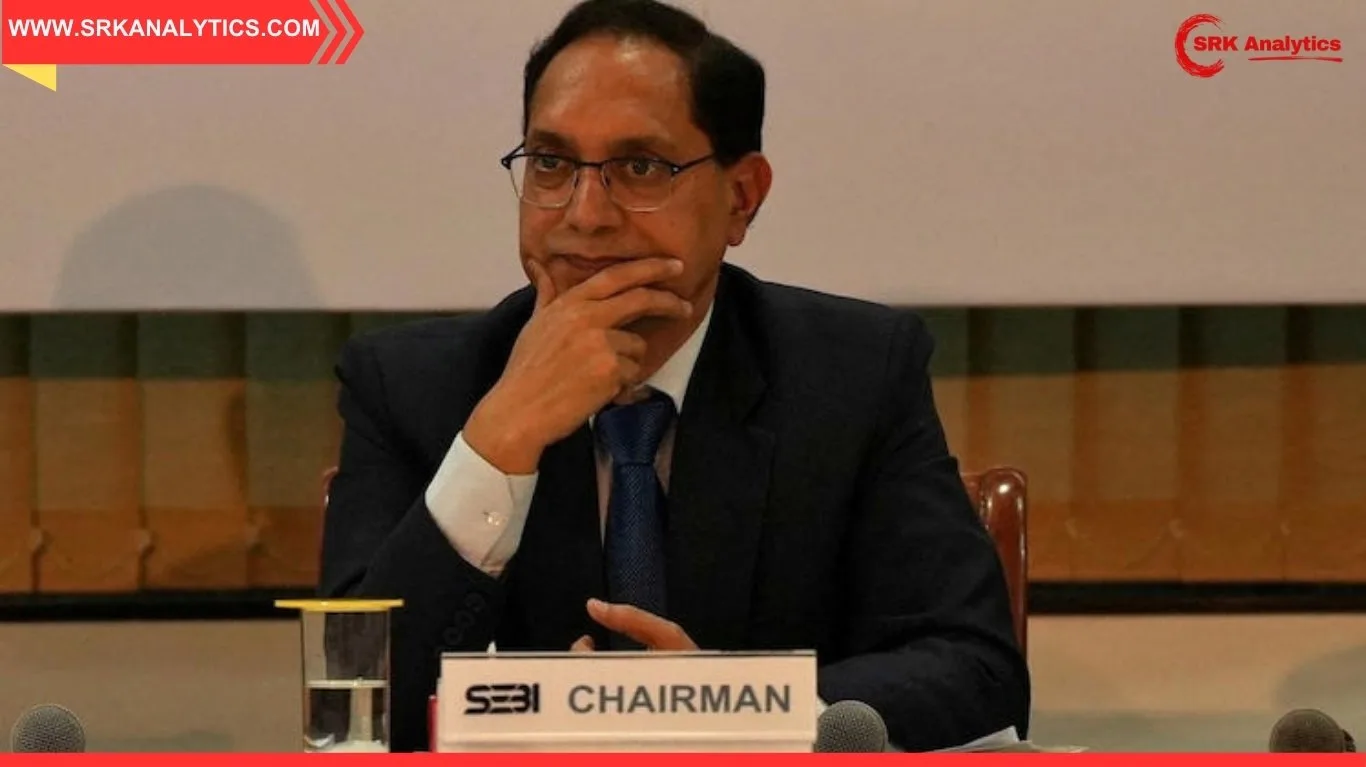
The Securities and Exchange Board of India (SEBI) has announced a significant policy shift aimed at strengthening the country’s capital markets by enhancing liquidity and visibility for Real Estate Investment Trusts (REITs) and Infrastructure Investment Trusts (InvITs). This move, which includes their inclusion in major stock indices, is expected to transform the investment landscape, attract global investors, and deepen participation in alternative investment products.
Background: REITs and InvITs in India
REITs and InvITs were introduced in India to provide investors with opportunities to participate in real estate and infrastructure projects without directly owning physical assets. These instruments pool funds from investors and distribute returns generated from rental income, toll collections, or other infrastructure revenues.
Despite their potential, REITs and InvITs have faced challenges in terms of liquidity, investor awareness, and limited institutional participation. SEBI’s latest policy reforms aim to address these gaps and bring them into the mainstream of India’s capital markets.
Key Highlights of SEBI’s Policy Shift
- Index Inclusion
REITs and InvITs will now be included in major stock indices, allowing passive funds, ETFs, and institutional investors to allocate capital automatically. - Liquidity Push
SEBI has mandated measures to improve trading volumes, including tighter spreads, enhanced market-making, and simplified listing norms. - Investor Access
Retail investors will benefit from easier access through mutual funds and ETFs that track indices including REITs and InvITs. - Transparency and Governance
Enhanced disclosure norms will ensure better transparency in asset valuations, rental yields, and project revenues. - Global Alignment
The reforms align India’s REIT and InvIT framework with global standards, making them more attractive to foreign institutional investors.
SEBI’s Policy Shift – Before vs After
| Parameter | Before Policy Shift | After Policy Shift | Impact |
|---|---|---|---|
| Index Inclusion | Not part of major indices | Included in benchmark indices | Higher visibility, passive inflows |
| Liquidity | Limited trading volumes | Market-making, tighter spreads | Improved liquidity |
| Retail Access | Restricted, complex | Easier via ETFs, MFs | Wider participation |
| Transparency | Basic disclosures | Enhanced valuation norms | Greater investor confidence |
| Global Standards | Partial alignment | Full alignment | Boost in FII interest |
Market Impact of the Policy Shift
- Institutional Investors: Automatic inclusion in indices will drive inflows from pension funds, sovereign wealth funds, and ETFs.
- Retail Investors: Easier access through mutual funds will democratize participation in real estate and infrastructure assets.
- Developers and Sponsors: Improved liquidity will encourage more sponsors to launch REITs and InvITs, expanding the market.
- Capital Markets: The reforms will deepen India’s capital markets, diversify investment options, and reduce reliance on traditional equities.
Current REITs and InvITs in India
| Name | Type | Assets Managed | Market Capitalization (Approx.) |
|---|---|---|---|
| Embassy Office Parks REIT | Commercial Real Estate | ₹45,000 crore | ₹30,000 crore |
| Mindspace Business Parks REIT | Commercial Real Estate | ₹25,000 crore | ₹18,000 crore |
| Brookfield India REIT | Commercial Real Estate | ₹20,000 crore | ₹15,000 crore |
| PowerGrid InvIT | Infrastructure | ₹12,000 crore | ₹10,000 crore |
| IRB InvIT | Infrastructure | ₹8,000 crore | ₹6,500 crore |
Benefits for Investors
- Diversification: Exposure to real estate and infrastructure assets beyond traditional equities and debt.
- Stable Returns: REITs and InvITs typically provide regular income through dividends and distributions.
- Transparency: Enhanced disclosure norms reduce risks of mispricing and improve investor trust.
- Global Appeal: Alignment with international standards makes Indian REITs and InvITs competitive globally.
Challenges Ahead
While SEBI’s reforms are transformative, challenges remain:
- Market Awareness: Retail investors need education about REITs and InvITs.
- Regulatory Oversight: Ensuring compliance with enhanced norms will require strong monitoring.
- Macro Risks: Real estate and infrastructure sectors remain sensitive to economic cycles.
- Adoption Pace: Sponsors may take time to adapt to new frameworks and governance standards.
Expert Reactions
- Market Analysts: Welcomed the move, predicting strong inflows into REITs and InvITs.
- Fund Managers: Highlighted that index inclusion will boost passive investments significantly.
- Developers: Expressed optimism that improved liquidity will encourage more listings.
- Global Investors: Viewed the reforms as a step toward making India a preferred destination for alternative investments.
Future Outlook
SEBI’s policy shift is expected to:
- Expand the REIT and InvIT market size in India.
- Encourage new listings across commercial real estate, logistics, and infrastructure.
- Attract billions in foreign institutional inflows.
- Strengthen India’s position as a global investment hub for alternative assets.
Conclusion
The SEBI policy shift with index inclusion and liquidity push for REITs and InvITs marks a watershed moment in India’s capital market evolution. By enhancing visibility, improving liquidity, and aligning with global standards, SEBI has paved the way for these instruments to become mainstream investment options.
For investors, developers, and policymakers, this move signals a new era of growth, transparency, and participation in India’s real estate and infrastructure sectors.
Disclaimer: This article is based on publicly available regulatory updates and expert commentary. Readers are advised to follow official SEBI notifications and financial advisories for verified details.