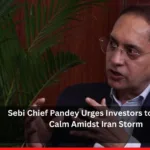



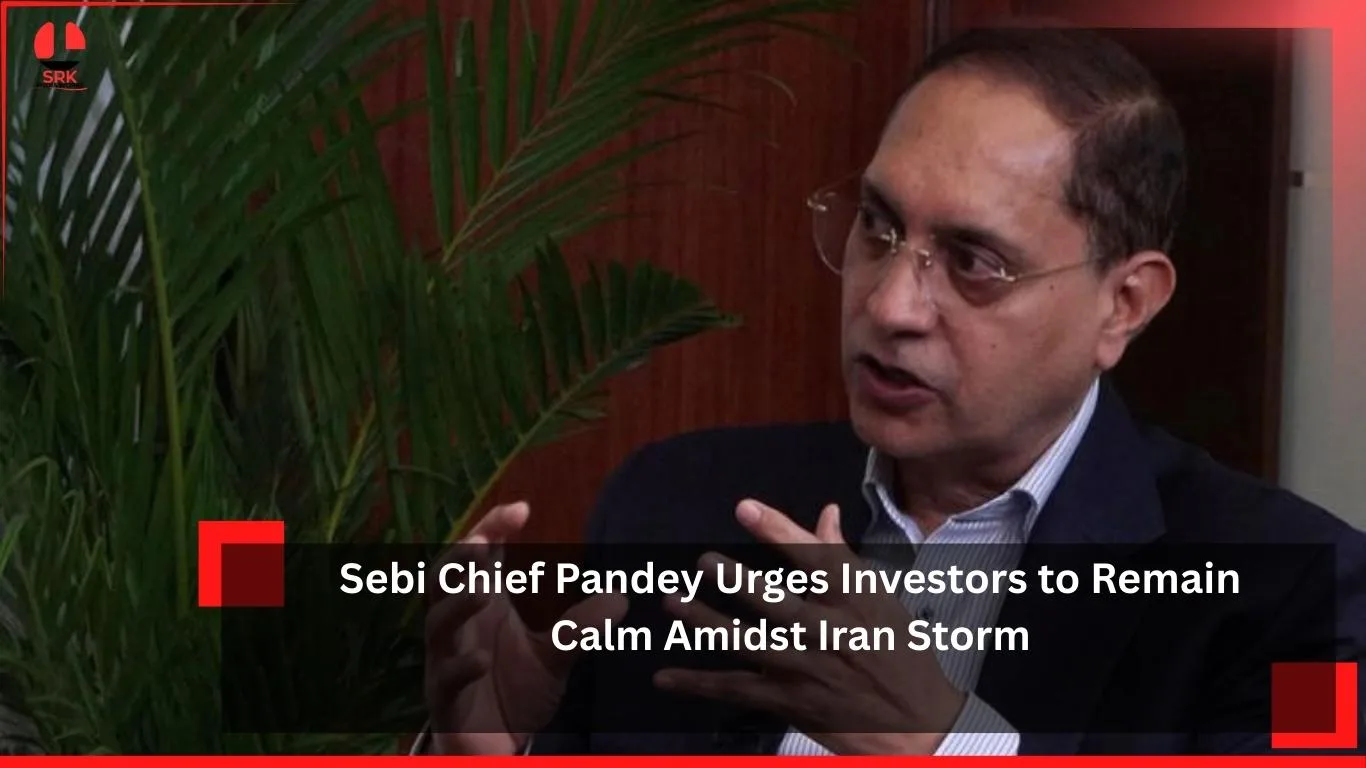
In the wake of heightened geopolitical tensions involving Iran, Securities and Exchange Board of India (Sebi) chief Madhabi Puri Pandey has urged investors to remain calm and avoid panic-driven decisions. Addressing concerns about volatility in equity and debt markets, Pandey emphasized that India’s financial system remains resilient and well-prepared to absorb external shocks.
The Announcement
Pandey reassured investors that Sebi, along with other regulatory bodies, is closely monitoring global developments and their potential impact on Indian markets. She highlighted that while short-term volatility is inevitable during geopolitical crises, India’s long-term fundamentals remain strong.
Her message was clear: investors should focus on disciplined investing, avoid knee-jerk reactions, and trust in the robustness of India’s regulatory framework.
Background: Iran Storm and Market Volatility
The geopolitical tensions involving Iran have triggered uncertainty in global markets, leading to fluctuations in crude oil prices, currency movements, and equity indices. For India, which imports a significant portion of its energy needs, rising oil prices can impact inflation and fiscal balances.
Key Concerns:
- Crude Oil Prices: Potential surge affecting inflation.
- Currency Volatility: Pressure on rupee against global currencies.
- Equity Markets: Short-term corrections due to global risk-off sentiment.
- Investor Behavior: Panic selling and speculative trading.
Comparative Analysis of Market Responses to Geopolitical Events
| Event | Year | Market Impact | Recovery Trend |
|---|---|---|---|
| Gulf War | 1990 | Sharp oil price surge | Gradual stabilization |
| Iraq Conflict | 2003 | Volatile equities | Quick rebound |
| Russia-Ukraine War | 2022 | Global commodity shock | Recovery in 12–18 months |
| Iran Storm | 2026 | Rising crude, currency pressure | Long-term resilience expected |
This comparison shows that while geopolitical events often trigger short-term volatility, markets tend to recover as fundamentals reassert themselves.
Pivot Analysis: Impact of Sebi Chief’s Statement
| Stakeholder | Immediate Impact | Long-Term Outcome |
|---|---|---|
| Retail Investors | Reassurance against panic | Continued SIP and disciplined investing |
| Institutional Investors | Confidence in regulatory oversight | Sustained participation in Indian markets |
| Financial Advisors | Clear guidance for clients | Stronger advisory credibility |
| Markets | Reduced panic selling | Stability and resilience |
| Economy | Controlled volatility | Long-term growth trajectory intact |
Economic and Social Dimensions
Pandey’s call for calm is not just about market stability but also about protecting household wealth. With millions of retail investors participating through mutual funds and systematic investment plans (SIPs), avoiding panic-driven exits is crucial for long-term wealth creation.
Broader Impacts:
- Investor Confidence: Reinforces trust in regulatory institutions.
- Household Wealth: Prevents erosion due to panic selling.
- Market Stability: Ensures liquidity and orderly trading.
- National Economy: Maintains capital flow for growth projects.
Public Sentiment
Investors have responded positively to Pandey’s reassurance, with many acknowledging the importance of staying disciplined during turbulent times. Social media discussions reflect a mix of concern about global developments and confidence in India’s resilience.
Historical Context
India’s markets have faced multiple external shocks over the past three decades, from the Asian financial crisis to the global recession and recent geopolitical conflicts. Each time, regulatory oversight and strong domestic fundamentals have helped stabilize markets. Pandey’s statement continues this tradition of proactive communication from Sebi.
Global Context
Globally, regulators often step in during crises to reassure investors. The US Federal Reserve, European Central Bank, and other institutions have issued similar guidance during geopolitical and economic shocks. Sebi’s proactive stance aligns India with global best practices.
Global Comparisons of Regulatory Guidance
| Country | Regulator | Crisis | Guidance Outcome |
|---|---|---|---|
| USA | Federal Reserve | 2008 financial crisis | Stabilized investor confidence |
| Europe | ECB | Eurozone debt crisis | Prevented systemic panic |
| India | Sebi | Iran storm 2026 | Reinforced calm and discipline |
Conclusion
Sebi chief Madhabi Puri Pandey’s call for investors to remain calm amidst the Iran storm reflects the regulator’s commitment to stability and investor protection. While short-term volatility is inevitable, India’s strong fundamentals and regulatory oversight provide confidence that markets will weather the storm. For investors, the key takeaway is clear: stay disciplined, trust the system, and focus on long-term wealth creation.
Disclaimer
This article is based on publicly available reports and expert analysis. It is intended for informational purposes only and does not represent official investment advice. Readers should consult certified financial advisors before making investment decisions, as market performance is subject to risks and uncertainties.