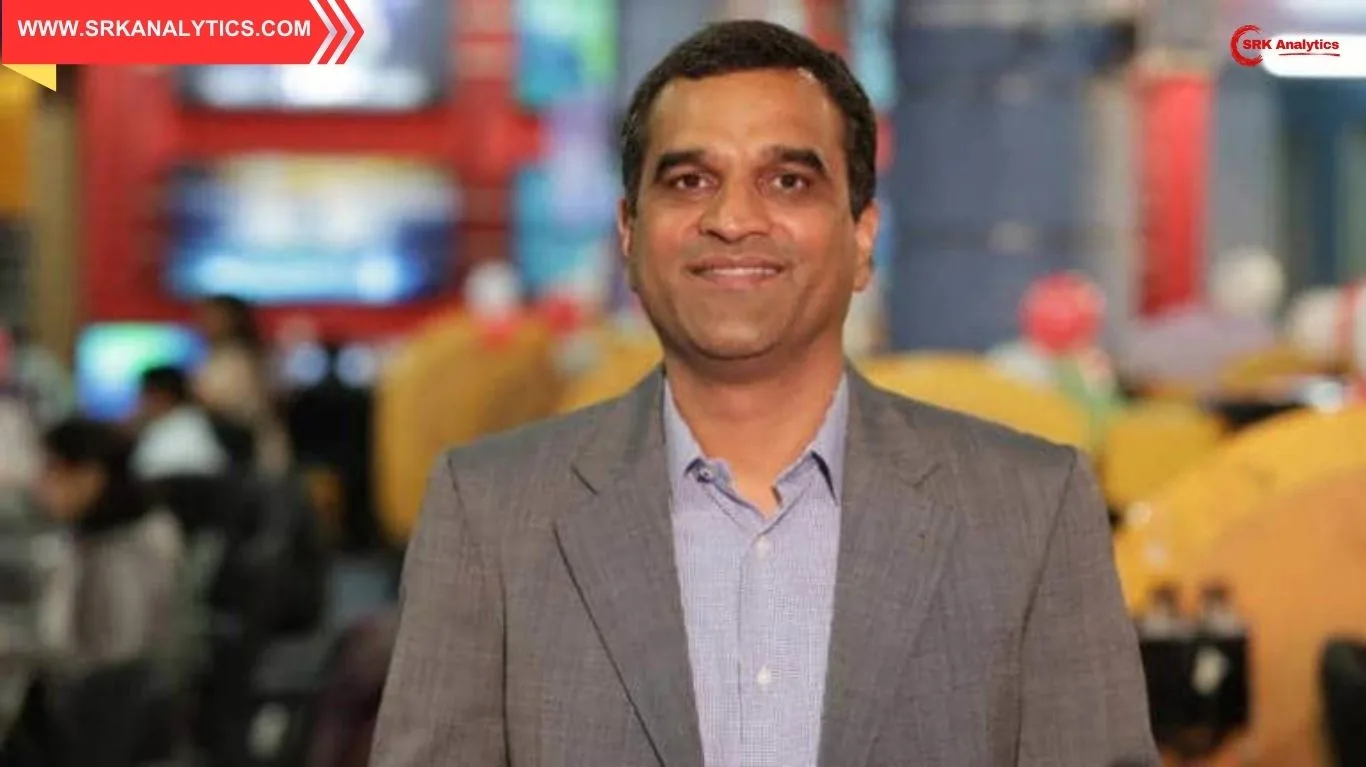





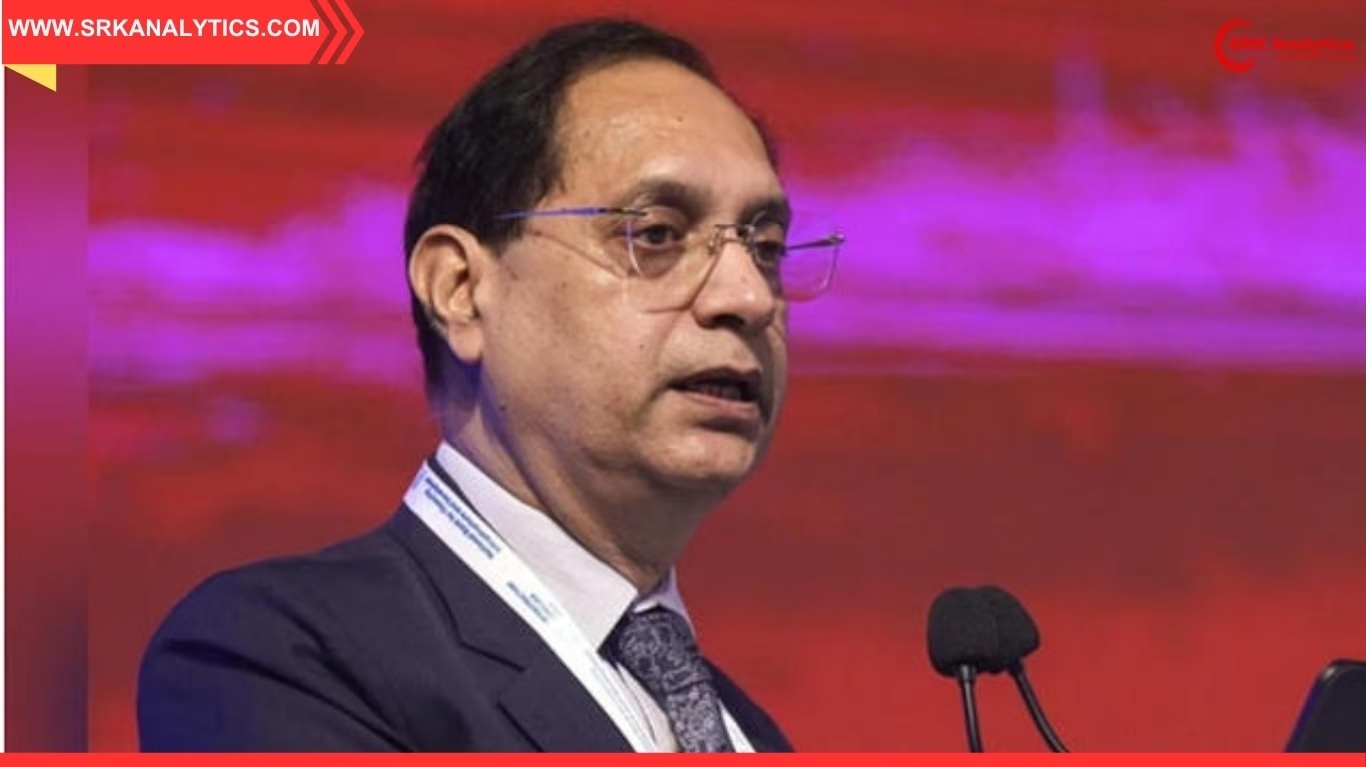
In a decisive move to restore investor confidence and strengthen market integrity, SEBI Chairman Tuhin Kanta Pandey has announced stringent action against the Multi Commodity Exchange (MCX) following its recent trading disruption, while also unveiling plans to revamp India’s decades-old brokerage regulations. Speaking at the Morningstar India Conference 2025 in Mumbai, Pandey emphasized that the regulator is committed to enforcing accountability, enhancing risk management, and modernizing compliance frameworks across financial intermediaries.
The announcement comes in the wake of a four-hour trading halt on MCX on October 28, 2025, which forced the exchange to switch to its disaster recovery site. The glitch, which delayed market opening multiple times throughout the morning, was described by Pandey as “unacceptable” and “not right for a market of this importance.” A root-cause analysis is currently underway, and SEBI has signaled that further action will be taken based on the final findings.
🧠 SEBI’s Action Plan on MCX Trading Glitch
| Focus Area | Measures Announced | Expected Outcome |
|---|---|---|
| Root-Cause Analysis | Technical audit of MCX systems | Identification of systemic vulnerabilities |
| Disaster Recovery Protocols | Review of SOPs and DR site readiness | Improved response to future disruptions |
| Accountability Framework | Possible penalties and compliance directives | Reinforced operational discipline |
| Investor Protection | Compensation mechanisms under review | Safeguards for retail investors |
| Technology Oversight | Enhanced monitoring of exchange infrastructure | Reduced risk of outages |
SEBI’s response reflects a zero-tolerance approach to lapses in market infrastructure.
📊 Timeline of MCX Trading Disruptions
| Date | Incident Description | Duration of Impact |
|---|---|---|
| July 2025 | Minor delay due to server sync issue | 1 hour |
| October 28, 2025 | Major glitch, delayed opening until 12:35 PM | Over 4 hours |
The recurrence of technical faults has prompted SEBI to prioritize exchange reliability.
📈 SEBI’s Brokerage Reform Blueprint
| Reform Area | Proposed Changes | Impact on Market Participants |
|---|---|---|
| Stock Broker Regulations | Overhaul of 1992 framework | Modernized compliance and risk protocols |
| Data Protection | Mandatory encryption and secure storage | Enhanced investor privacy |
| Grievance Redressal | Real-time resolution dashboards | Faster complaint handling |
| Risk Management | Tiered risk profiling for brokers | Better capital adequacy enforcement |
| Algorithmic Trading | New norms for HFT and algo strategies | Balanced innovation and oversight |
The reforms aim to align India’s brokerage ecosystem with global best practices.
🗣️ Key Quotes from SEBI Chairman Tuhin Kanta Pandey
- “It’s no longer just about compliance—it’s about trust, transparency, and technology.”
- “The last breakdown happened in July, and it has now occurred again, which isn’t right.”
- “We are reviewing the 1992 brokerage regulations to reflect today’s market realities.”
Pandey’s statements underscore SEBI’s proactive stance on regulatory modernization.
📌 Market Reactions and Stakeholder Feedback
| Stakeholder | Commentary Summary |
|---|---|
| Brokerage Firms | “We welcome reforms but seek clarity on implementation timelines.” |
| Investor Associations | “SEBI’s action on MCX is long overdue.” |
| Technology Experts | “Exchange infrastructure must be treated as critical national asset.” |
| Financial Analysts | “Brokerage reforms will reshape compliance costs and investor experience.” |
The response has been largely positive, with calls for swift and transparent execution.
📌 Conclusion
SEBI’s twin announcements—tough action on MCX and a comprehensive overhaul of brokerage regulations—signal a transformative phase in India’s financial market governance. Under Chairman Tuhin Kanta Pandey’s leadership, the regulator is prioritizing investor protection, technological resilience, and regulatory modernization. As the probe into MCX’s trading glitch progresses, and new compliance frameworks take shape, stakeholders across the financial ecosystem are bracing for a more accountable and robust market environment.
Disclaimer: This article is based on publicly available regulatory statements, media reports, and conference coverage. It is intended for informational and editorial purposes only and does not constitute financial or legal advice.