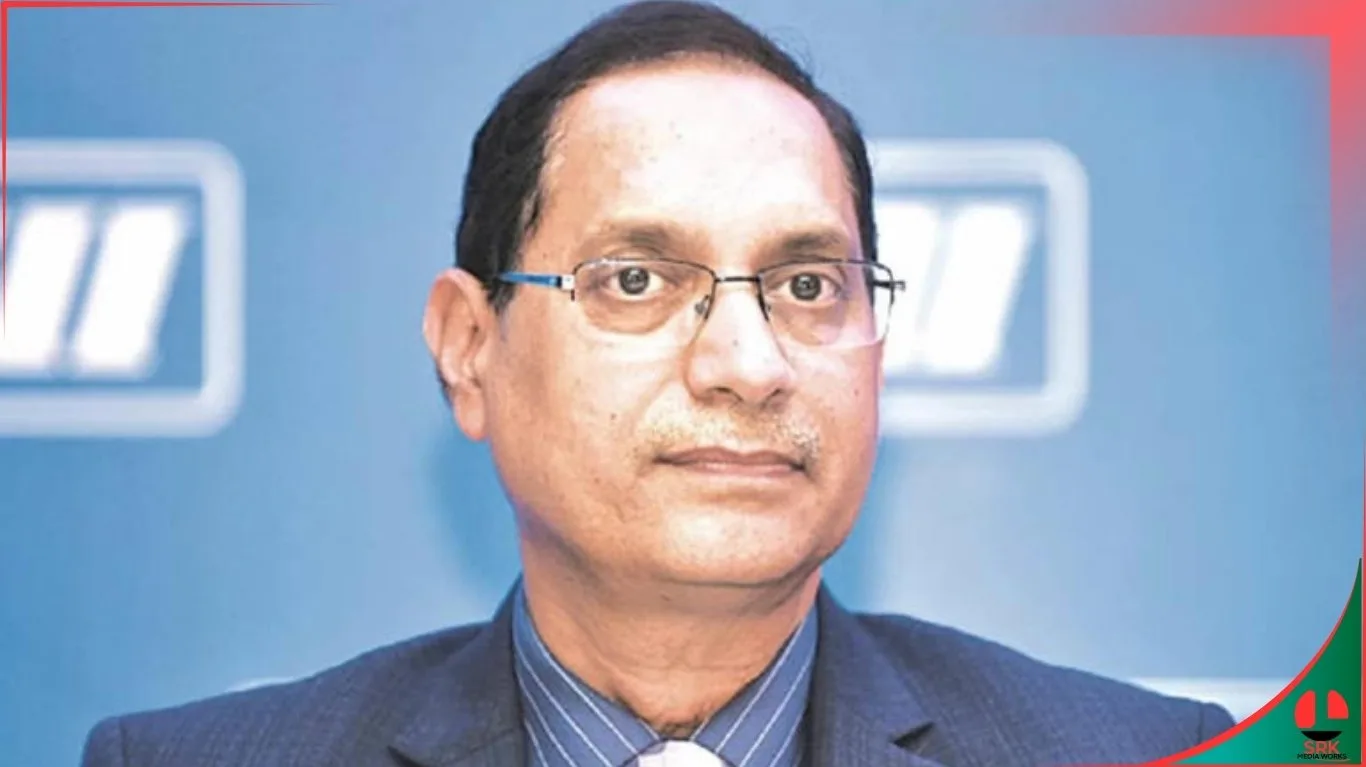






In a strong message to India’s banking sector, Securities and Exchange Board of India (SEBI) Chairman Tuhin Kanta Pandey has called on managing directors and chief executives of listed banks to reinforce compliance with insider trading regulations. Speaking at a sensitization session held in Mumbai on September 3, 2025, Pandey emphasized that adherence to the Prohibition of Insider Trading (PIT) Regulations is not merely a legal obligation but a cornerstone of ethical governance and market integrity.
The SEBI chief’s remarks come in the wake of recent enforcement actions, including an interim order against senior executives of IndusInd Bank for allegedly trading shares while in possession of unpublished price-sensitive information (UPSI) related to derivative portfolio irregularities. Pandey’s address marks the beginning of a nationwide compliance drive, with similar sessions planned in other financial hubs.
🧭 Key Compliance Directives Issued by SEBI
| Compliance Area | SEBI’s Directive | Implementation Priority |
|---|---|---|
| Insider Trading Regulations | Strengthen internal controls and reporting mechanisms | Immediate |
| UPSI Handling | Adopt need-to-know protocols, avoid informal sharing | High |
| Structured Digital Database | Maintain dual SDDs for internal and third-party UPSI | Mandatory |
| Board Accountability | Directors, MDs, and Compliance Officers held liable | Ongoing |
| Technology Integration | Use secure digital systems to track UPSI access | Recommended |
Pandey stated, “When a small group of people has access to information before the rest of the market and uses it for personal gain, it creates an uneven playing field. Investors lose confidence, market fairness erodes, and the very integrity of the financial system comes into question”.
🔍 Why Listed Banks Face Unique Insider Trading Risks
Unlike other listed entities, banks often act as fiduciaries and intermediaries in transactions involving other listed companies. This dual role exposes them to sensitive financial information—such as loan sanctions, debt restructuring, and stressed asset proceedings—well before such data is publicly disclosed.
| Scenario | Type of UPSI Involved | Risk Level |
|---|---|---|
| Large Loan Sanctions | Borrower’s financial health, repayment terms | High |
| Debt Restructuring | Revised covenants, asset valuations | Very High |
| M&A Advisory | Deal terms, valuation, counterparty details | Critical |
| Stressed Asset Resolution | Recovery estimates, buyer interest | High |
Pandey warned that even unintentional leaks of such information could move markets, impact shareholder wealth, and erode investor trust.
📉 Dual SDD Structure: A New Compliance Mandate
SEBI has recommended that listed banks maintain two separate Structured Digital Databases (SDDs):
- Internal SDD: For UPSI related to the bank’s own operations.
- External SDD: For UPSI obtained in fiduciary capacity from other listed entities.
| SDD Type | Purpose | Compliance Benefit |
|---|---|---|
| Internal SDD | Tracks internal UPSI access and sharing | Prevents misuse of bank data |
| External SDD | Logs third-party UPSI received during deals | Ensures audit trail and traceability |
Pandey noted that SDDs create a clear, auditable trail of every instance where sensitive information changes hands. “When employees and executives know that every UPSI transaction is logged and traceable, the risk of deliberate leaks or insider trading reduces significantly”.
🔥 Recent Enforcement Actions and Industry Response
SEBI’s renewed focus on insider trading compliance follows its June 2025 interim order against IndusInd Bank’s former MD and deputy CEO. The regulator found that they had traded shares while aware of irregularities in the bank’s derivative portfolio—a clear breach of PIT norms.
| Case Study | Allegation | SEBI Action |
|---|---|---|
| IndusInd Bank (June 2025) | Trading on derivative UPSI | Interim order, investigation |
| Other Listed Banks | Under review | Compliance audit initiated |
Industry experts believe that SEBI’s proactive stance will lead to stronger governance frameworks across the financial sector.
🧠 Expert Commentary and Governance Insights
| Expert Name | Role | Comment |
|---|---|---|
| Meera Iyer | Corporate Governance Analyst | “Banks must treat UPSI as a systemic risk, not just a compliance checkbox.” |
| Rajiv Bansal | Financial Sector Consultant | “Dual SDDs are a smart way to separate fiduciary and operational risks.” |
| Dr. Rakesh Sinha | Regulatory Affairs Specialist | “SEBI’s move will push banks to invest in secure digital infrastructure.” |
Experts agree that listed banks must go beyond regulatory compliance and embed ethical governance into their organizational culture.
📦 Best Practices for Insider Trading Compliance in Banks
- Need-to-Know Protocols: Restrict UPSI access to only those directly involved.
- Secure Communication Channels: Avoid informal sharing via email or chat apps.
- Whistleblower Mechanisms: Encourage reporting of suspicious activity.
- Board-Level Oversight: Ensure directors are trained on PIT regulations.
- Regular Audits: Conduct internal reviews of SDD logs and UPSI handling.
Pandey cited a recent KPMG study that identified whistleblower tip-offs and management reviews as the most effective tools in detecting corporate fraud.
📌 Conclusion
SEBI Chairman Tuhin Kanta Pandey’s call for stronger insider trading compliance in listed banks marks a pivotal moment in India’s regulatory landscape. With dual SDD structures, enhanced UPSI protocols, and board-level accountability, banks are being urged to lead not just in financial performance but in ethical governance. As SEBI intensifies its surveillance and enforcement, listed banks must rise to the challenge and set new benchmarks in transparency and investor trust.
—
Disclaimer: This article is based on publicly available regulatory statements and media reports as of September 4, 2025. It is intended for informational purposes only and does not constitute legal, financial, or compliance advice.