



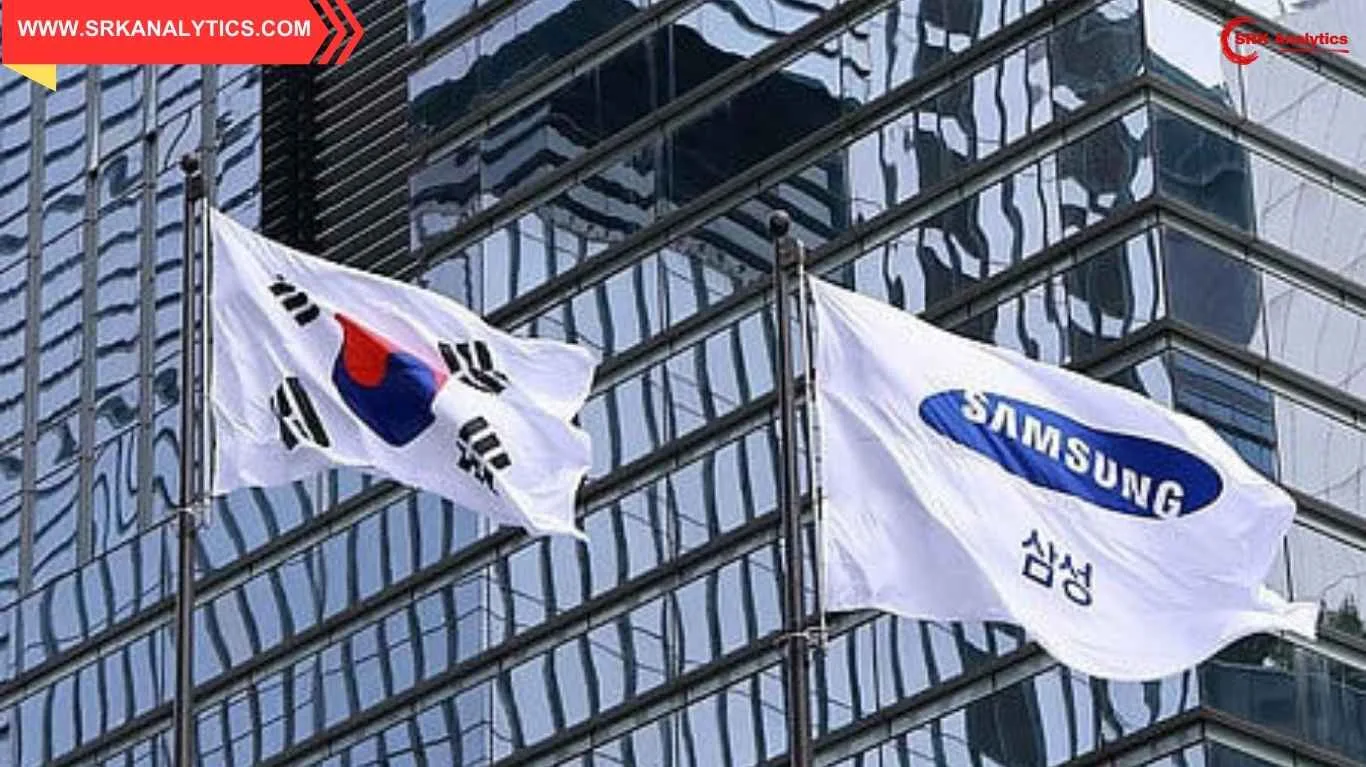
Global technology giant Samsung is intensifying its manufacturing footprint in India, with plans to expand into local display production under the Production-Linked Incentive (PLI) scheme. This strategic move underscores the company’s confidence in India’s growing role as a global electronics hub and aligns with the government’s vision to boost domestic manufacturing, reduce import dependency, and create high-value jobs.
Background of Samsung’s Manufacturing Strategy
- Samsung has been a key player in India’s electronics ecosystem, operating one of the world’s largest mobile phone manufacturing facilities in Noida.
- The company has already invested heavily in smartphone assembly, consumer electronics, and R&D centers across the country.
- With the government’s PLI scheme offering incentives for local production of components, Samsung is now eyeing display manufacturing as its next frontier.
- Displays are among the most critical and high-value components in smartphones, televisions, and other consumer electronics, making local production a game-changer for India’s electronics industry.
Key Highlights of Samsung’s Expansion
| Indicator | Details |
|---|---|
| Company | Samsung |
| Focus | Local display production under PLI |
| Existing Presence | Smartphone manufacturing, consumer electronics, R&D |
| Strategic Goal | Reduce import dependency, strengthen supply chain |
| Broader Impact | Boost to India’s electronics ecosystem and job creation |
Import Dependency vs Local Production
| Factor | Import Dependency | Local Production | Implication |
|---|---|---|---|
| Cost | Higher due to tariffs and logistics | Lower with domestic manufacturing | Competitive pricing |
| Supply Chain | Vulnerable to global disruptions | Stable, localized | Improved resilience |
| Employment | Limited domestic jobs | Significant job creation | Boost to local economy |
| Technology Transfer | Minimal | Enhanced through local R&D | Strengthens innovation ecosystem |
Why Samsung’s Move Matters
- Strategic Alignment: Supports India’s PLI scheme, which aims to make the country a global electronics manufacturing hub.
- Economic Impact: Local display production will reduce import bills and strengthen India’s trade balance.
- Job Creation: Establishing display manufacturing facilities will generate thousands of skilled and semi-skilled jobs.
- Technology Transfer: Samsung’s expertise will help India build capabilities in advanced electronics manufacturing.
Samsung’s Manufacturing Journey in India
| Attribute | Details |
|---|---|
| Initial Entry | Established presence in India in the 1990s |
| Major Facility | Noida smartphone plant, one of the largest globally |
| Investments | Billions invested in manufacturing and R&D |
| Current Focus | Smartphones, consumer electronics, semiconductors |
| Future Outlook | Expansion into display manufacturing under PLI |
Samsung’s journey reflects its long-term commitment to India, evolving from a consumer electronics brand to a strategic manufacturing partner.
Expert Opinions
- Industry Analysts: Highlight that local display production will significantly reduce costs and improve competitiveness.
- Economists: Emphasize the importance of reducing import dependency for sustainable growth.
- Policy Makers: Welcome Samsung’s move as validation of the PLI scheme’s success.
- Investors: View the expansion as a positive signal for India’s electronics sector.
Challenges Ahead
- High Capital Investment: Display manufacturing requires advanced technology and significant upfront investment.
- Skilled Workforce: Training and developing talent for specialized manufacturing processes.
- Global Competition: Competing with established display manufacturers in countries like South Korea and China.
- Supply Chain Integration: Ensuring seamless integration with local suppliers and vendors.
Opportunities for India
- Electronics Hub Development: Strengthening India’s position as a global manufacturing hub.
- Export Potential: Leveraging local production to export displays to other markets.
- Innovation Ecosystem: Encouraging R&D and innovation in advanced electronics.
- Policy Support: Building on PLI incentives to attract more global players.
Broader Context of India’s PLI Scheme
- The PLI scheme was launched to incentivize domestic manufacturing across sectors, including electronics, semiconductors, and telecom equipment.
- It offers financial incentives to companies that increase local production and reduce imports.
- Samsung’s decision to expand into display manufacturing reflects the scheme’s effectiveness in attracting global investment.
- Other global players are also exploring similar opportunities, signaling a broader shift toward India as a manufacturing destination.
Public Sentiment
- Consumers welcome the move, anticipating lower prices and improved availability of electronics.
- Industry stakeholders view Samsung’s expansion as a boost to India’s credibility in global supply chains.
- Policymakers highlight the importance of such investments in achieving self-reliance.
- Overall sentiment reflects optimism about India’s growing role in advanced manufacturing.
Conclusion
The decision by Samsung to bet on India for deeper manufacturing push and eye local display production under the PLI scheme marks a pivotal moment in the country’s electronics journey. By reducing import dependency, creating jobs, and transferring technology, Samsung’s expansion will not only strengthen its own market position but also contribute significantly to India’s ambition of becoming a global electronics powerhouse. The move underscores the synergy between government policy and corporate strategy, paving the way for sustainable growth in India’s manufacturing sector.
Disclaimer
This article is intended for informational purposes only and does not constitute financial or investment advice. Company strategies, government policies, and market conditions are subject to change based on evolving circumstances. Readers are encouraged to follow official updates for accurate information. The author and publisher are not responsible for any decisions made based on this article.