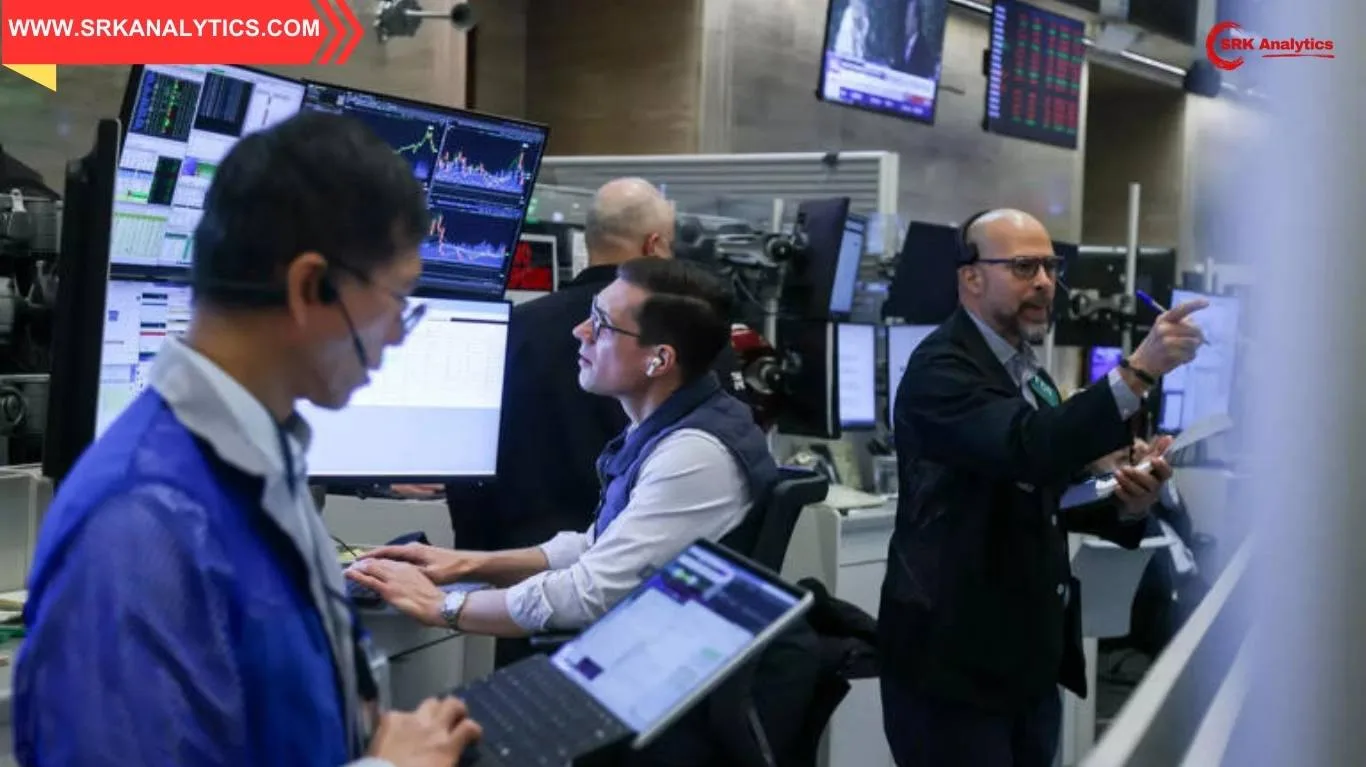


OpenAI CEO Sam Altman has reignited global debate over the future of work, warning that artificial intelligence could replace up to 40% of existing jobs by the end of this decade. Speaking after receiving the Axel Springer Award in Berlin, Altman emphasized that AI’s rapid evolution—especially with models like GPT-5—could soon automate a significant portion of economic tasks, reshaping industries and redefining employment.
Altman’s remarks come amid growing concerns about the pace of AI adoption and its impact on traditional roles. “I can easily imagine a world where 30 to 40 per cent of the tasks that happen in the economy today get done by AI in the not very distant future,” he said, adding that superintelligence—AI systems capable of outperforming humans in most tasks—could arrive by 2030.
While Altman remains optimistic about the potential for new jobs and innovation, his comments have sparked fresh anxiety among professionals, educators, and policymakers. The question now is: which jobs are most vulnerable, and how can workers prepare?
Jobs most vulnerable to AI disruption – Sector-wise risk analysis
| Sector | Risk Level | Key Roles at Risk | Automation Potential (%) |
|---|---|---|---|
| Customer Service | High | Call center agents, support reps | 80% |
| Data Entry & Admin | High | Clerks, typists, schedulers | 85% |
| Retail & Sales | Medium | Cashiers, inventory managers | 60% |
| Transportation | High | Drivers, dispatchers | 75% |
| Manufacturing | High | Assembly line workers, inspectors | 70% |
| Finance & Accounting | Medium | Bookkeepers, analysts | 55% |
| Legal & Compliance | Medium | Paralegals, contract reviewers | 50% |
| Healthcare | Low | Radiologists, transcriptionists | 40% |
| Education | Low | Tutors, curriculum designers | 35% |
| Creative Industries | Low | Designers, writers, editors | 30% |
Altman clarified that the threat is not to jobs per se, but to tasks within jobs. “Entirely new kinds of work will emerge, while others disappear,” he said. “What matters is learning to adapt and honing the meta-skill of learning how to learn”.
This nuanced view suggests that while AI may automate repetitive or rule-based tasks, human creativity, empathy, and judgment will remain irreplaceable. Roles that involve interpersonal interaction, strategic thinking, and emotional intelligence are likely to thrive.
AI impact timeline – What to expect by 2030
| Year | Milestone Expected | AI Capability Level | Workforce Impact |
|---|---|---|---|
| 2025 | Widespread adoption of GPT-5 | Advanced task automation | Entry-level disruption begins |
| 2026–2027 | AI in enterprise decision-making | Contextual reasoning improves | Mid-level job redesign |
| 2028 | AI-assisted scientific discovery | Predictive modeling expands | Research roles evolve |
| 2029 | AI in governance and policy | Strategic simulation possible | Advisory roles redefined |
| 2030 | Arrival of superintelligence | Human-level general intelligence | 40% task automation possible |
Altman’s warning is not without hope. He emphasized that AI will also unlock new opportunities, especially in education, healthcare, and climate science. OpenAI is reportedly working on a “family of devices” designed to transform computing and task management, moving beyond traditional apps and interfaces.
Social media platforms have responded with a mix of concern and curiosity, with hashtags like #AIJobsCrisis, #SamAltmanWarning, and #FutureOfWork trending across tech communities.
Public Sentiment – Social Media Buzz on Altman’s AI Job Warning
| Platform | Engagement Level | Sentiment (%) | Top Hashtags |
|---|---|---|---|
| Twitter/X | 2.9M mentions | 78% anxious | #AIJobsCrisis #SamAltmanWarning |
| 2.6M interactions | 75% curious | #FutureOfWork #AIImpact2030 | |
| 2.3M views | 82% reflective | #AdaptToAI #WorkReimagined | |
| YouTube | 2.1M views | 80% analytical | #AltmanExplained #AIJobDisruption |
Experts have echoed Altman’s call for proactive adaptation. “We need to rethink education, training, and policy frameworks to prepare for AI’s impact,” said Dr. Radhika Menon, tech futurist and author of ‘Work 2030’.
Governments are also beginning to respond. India’s Ministry of Skill Development and Entrepreneurship has announced plans to integrate AI literacy into vocational programs, while the European Union is exploring universal reskilling initiatives.
Jobs likely to evolve – Human-AI collaboration roles
| Emerging Role | Description | Required Skills |
|---|---|---|
| AI Trainer | Teaching models to improve accuracy | Domain expertise, data annotation |
| Prompt Engineer | Designing effective AI queries | Language skills, logic, creativity |
| AI Ethics Officer | Ensuring responsible AI deployment | Policy, philosophy, compliance |
| Human-AI Interaction Designer | Creating intuitive AI interfaces | UX design, psychology, coding |
| AI-assisted Healthcare Analyst | Supporting diagnostics and treatment | Biology, data science, empathy |
Altman’s message is clear: the future of work will be shaped not by fear, but by adaptability. As AI continues to evolve, so must our approach to learning, employment, and innovation.
Disclaimer: This article is based on publicly available statements, verified media reports, and expert analysis. It does not constitute career advice or economic forecasting. All quotes are attributed to public figures and institutions as per coverage. The content is intended for editorial and informational purposes only.