




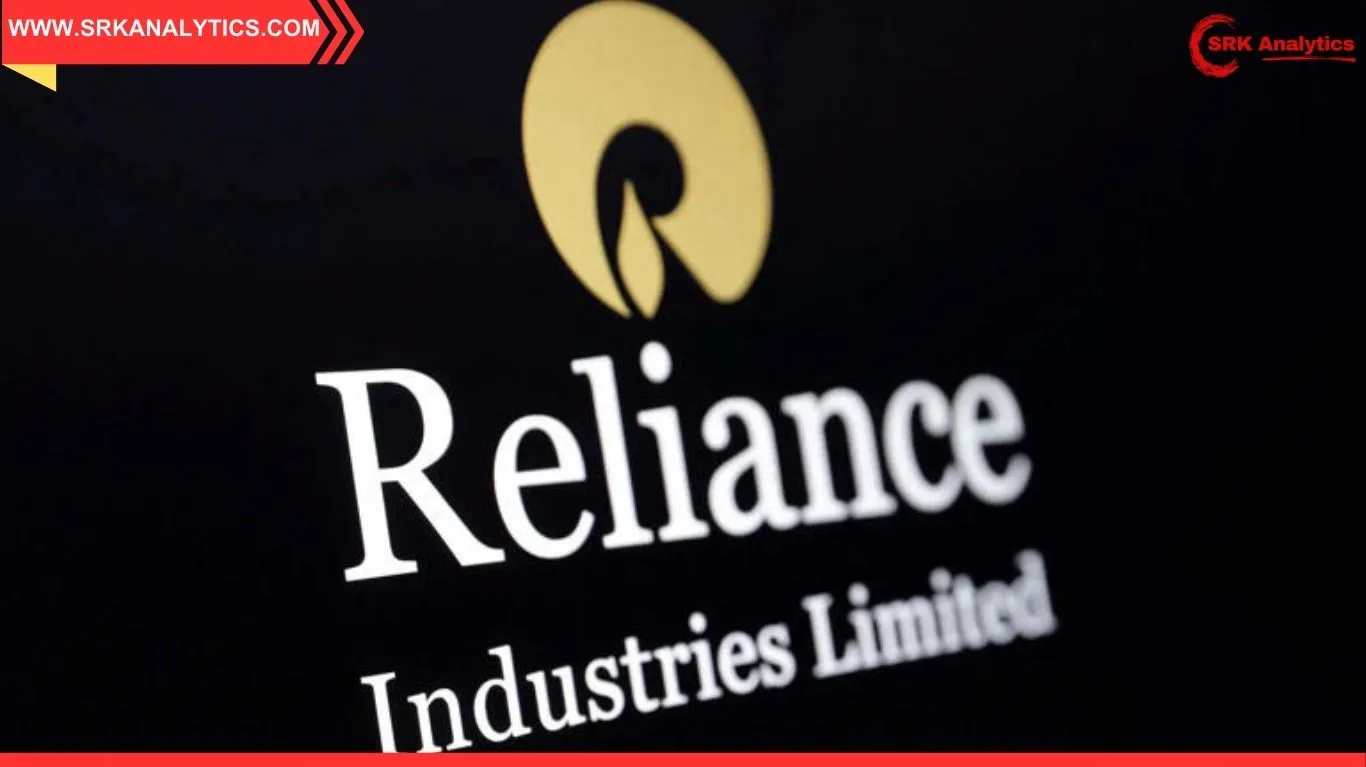
Reliance Industries Limited (RIL), India’s largest conglomerate led by Mukesh Ambani, is entering what analysts are calling its fourth monetisation wave, raising questions about whether the company’s massive $80 billion post-Covid capital expenditure (capex) will finally deliver transformative returns by 2026. With investments spanning telecom, retail, green energy, and digital platforms, Reliance is positioning itself for a new era of growth, but the stakes are higher than ever.
Reliance’s Post-Covid Capex Strategy
After the Covid-19 pandemic, Reliance embarked on one of the largest investment programs in corporate India.
- Capex Size: $80 billion spread across multiple verticals.
- Focus Areas: Telecom (Jio), retail expansion, renewable energy, and digital services.
- Global Partnerships: Collaborations with global giants in technology, energy, and finance.
- Objective: To diversify revenue streams and reduce dependence on traditional oil-to-chemicals business.
Reliance’s Four Monetisation Waves
| Wave | Timeline | Focus Area | Outcome |
|---|---|---|---|
| First | 2000s | Petrochemicals & refining | Established Reliance as energy giant |
| Second | 2010s | Telecom (Jio) | Disrupted Indian telecom market |
| Third | 2020-2024 | Retail & digital | Expanded consumer footprint |
| Fourth | 2025-2026 | Green energy & monetisation of assets | Awaiting payoff |
Why The Fourth Wave Matters
Reliance’s fourth monetisation wave is critical for several reasons:
- Green Energy Transition: Investments in solar, hydrogen, and battery storage.
- Retail Consolidation: Expansion of Reliance Retail into Tier-2 and Tier-3 cities.
- Digital Ecosystem: Strengthening Jio platforms with AI, cloud, and fintech.
- Global Positioning: Ambani’s ambition to make Reliance a global player in energy and technology.
- Investor Expectations: Shareholders are keen to see returns on massive capex.
Reliance’s Post-Covid Capex Allocation
| Sector | Investment (Approx.) | Key Projects |
|---|---|---|
| Telecom (Jio) | $20 billion | 5G rollout, AI integration |
| Retail | $15 billion | Expansion of stores, e-commerce |
| Green Energy | $30 billion | Solar giga factories, hydrogen plants |
| Digital Services | $10 billion | Cloud, fintech, AI platforms |
| Oil-to-Chemicals | $5 billion | Modernisation & efficiency upgrades |
Telecom: Jio’s Next Leap
Reliance Jio, which disrupted India’s telecom market in 2016, is now focusing on:
- 5G Expansion: Nationwide rollout with affordable plans.
- AI Integration: Leveraging partnerships for AI-driven services.
- Fintech Push: Expanding JioPay and digital banking solutions.
- Global Ambitions: Exploring partnerships beyond India.
Retail: Expanding Consumer Reach
Reliance Retail has become India’s largest retailer:
- Store Expansion: Aggressive push into smaller towns.
- E-Commerce Integration: Strengthening JioMart platform.
- Luxury Partnerships: Collaborations with global brands.
- Supply Chain Modernisation: Leveraging technology for efficiency.
Green Energy: Ambani’s Bold Bet
The most ambitious part of Reliance’s capex is in green energy:
- Solar Giga Factories: Large-scale production of solar modules.
- Hydrogen Economy: Investments in green hydrogen plants.
- Battery Storage: Developing advanced battery technologies.
- Global Partnerships: Collaborations with international energy firms.
Digital Ecosystem: Building The Future
Reliance is also investing heavily in digital services:
- Cloud Infrastructure: Competing with global players like AWS and Azure.
- AI Platforms: Integrating AI into consumer and enterprise services.
- Fintech Expansion: Offering digital banking, insurance, and payments.
- Entertainment: Strengthening JioCinema and digital content platforms.
Expert Opinions
- Economists: Believe Reliance’s diversified investments could reshape India’s economy.
- Analysts: Highlight risks of over-leverage but acknowledge potential for high returns.
- Energy Experts: Applaud green energy push as visionary.
- Global Observers: Note Reliance’s ambition to become a global tech-energy giant.
Public Sentiment
- Investors: Optimistic but cautious, awaiting tangible returns.
- Consumers: Excited about affordable 5G and retail expansion.
- Critics: Warn about execution risks and regulatory challenges.
- Neutral Observers: Emphasize the importance of balancing ambition with sustainability.
Challenges Ahead
Reliance faces several challenges in its fourth monetisation wave:
- Execution Risks: Ensuring timely completion of projects.
- Regulatory Environment: Navigating India’s complex policy landscape.
- Global Volatility: Managing geopolitical and economic uncertainties.
- Competition: Facing rivals in telecom, retail, and energy sectors.
- Debt Management: Balancing capex with financial stability.
Future Outlook
- Short-Term: Focus on completing green energy projects and 5G rollout.
- Medium-Term: Monetisation of assets through partnerships and IPOs.
- Long-Term: Reliance aims to become a global leader in energy and technology.
- Investor Impact: Potential for significant returns if execution is successful.
Conclusion
The fourth monetisation wave of Reliance Industries, driven by Mukesh Ambani’s $80 billion post-Covid capex, represents one of the boldest bets in corporate India. With investments in telecom, retail, green energy, and digital services, Reliance is positioning itself for transformative growth by 2026.
For investors, it is a test of patience and confidence. For consumers, it promises affordable services and expanded access. And for India, it marks a pivotal moment in the journey toward becoming a global economic powerhouse.
Disclaimer: This article is based on publicly available corporate updates, expert commentary, and media analysis. Readers are advised to follow official Reliance announcements and verified sources for detailed information.