





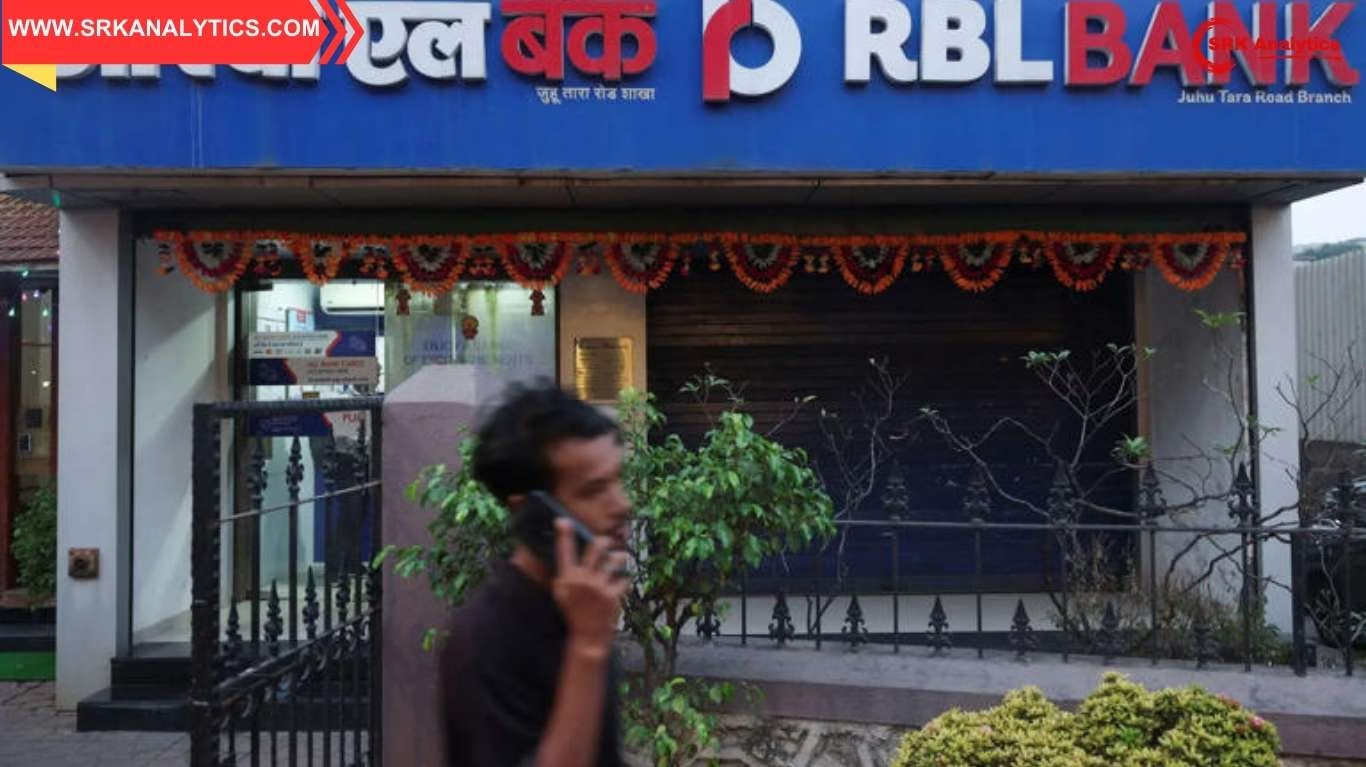
In a surprising turn of events, RBL Bank shares fell nearly 9% even after the lender reported a 555% year-on-year jump in net profit for Q3 FY26. The sharp decline in stock price has left investors puzzled, raising questions about market sentiment, asset quality concerns, and the future outlook for the private sector bank.
Background of the Q3 Results
- RBL Bank reported a net profit surge of 555% YoY, driven by improved margins, lower provisions, and strong retail lending growth.
- Despite the stellar numbers, the stock witnessed heavy selling pressure, indicating investor concerns beyond headline profit figures.
- Analysts suggest that factors such as asset quality, sustainability of earnings, and broader market volatility contributed to the selloff.
- The paradox of strong financial performance and weak stock movement highlights the complexity of banking sector investments.
Key Highlights
| Indicator | Details |
|---|---|
| Net Profit (Q3 FY26) | 555% YoY jump |
| Share Price Movement | Fell 9% post-results |
| Key Drivers of Profit | Lower provisions, strong retail lending |
| Investor Concerns | Asset quality, sustainability of growth |
| Broader Impact | Raises questions about long-term outlook |
Profit Growth vs Share Price Decline
| Factor | Profit Growth | Share Price Reaction | Implication |
|---|---|---|---|
| Net Profit | 555% YoY surge | Fell 9% | Market skepticism |
| Provisions | Declined sharply | Positive for earnings | Sustainability questioned |
| Retail Lending | Strong growth | Limited impact on sentiment | Concerns about risk exposure |
| Asset Quality | Improvement reported | Investors cautious | Fear of hidden stress |
| Market Volatility | Not linked to results | Added pressure | Broader selloff in banking stocks |
Why This Story Matters
- Investor Confidence: The disconnect between profit growth and share price movement raises concerns about transparency.
- Banking Sector Trends: Reflects broader challenges faced by private banks in balancing growth with asset quality.
- Market Sentiment: Highlights how investor psychology can override financial performance.
- Strategic Outlook: Provides lessons for long-term investors on analyzing fundamentals beyond headline numbers.
- Policy Context: Aligns with regulatory focus on asset quality and risk management.
Reasons Behind the Share Price Decline
- Asset Quality Concerns: Despite reported improvements, investors remain cautious about non-performing assets (NPAs).
- Sustainability of Earnings: Profit surge driven by lower provisions may not be sustainable in the long run.
- Market Volatility: Broader selloff in banking and financial stocks added pressure.
- Investor Psychology: Skepticism about sudden profit jumps often leads to profit booking.
- Regulatory Oversight: Increased scrutiny of private banks may have influenced sentiment.
Expert Opinions
- Market Analysts: Stress that the profit surge was largely provision-driven, raising sustainability concerns.
- Economists: Highlight the importance of asset quality in determining long-term valuation.
- Investors: Divided between optimism about retail growth and caution about hidden risks.
- Policy Experts: Note that regulatory focus on NPAs will continue to shape investor sentiment.
Challenges Ahead for RBL Bank
- Maintaining Asset Quality: Ensuring NPAs remain under control.
- Sustainable Profitability: Moving beyond provision-driven earnings.
- Market Confidence: Restoring investor trust through consistent performance.
- Competition: Facing pressure from larger private and public sector banks.
- Regulatory Compliance: Adhering to stricter norms on lending and risk management.
Opportunities for RBL Bank
- Retail Lending Expansion: Continue leveraging strong demand in consumer finance.
- Digital Transformation: Invest in fintech partnerships and digital banking.
- Diversification: Expand into SME and corporate lending with risk controls.
- Capital Strengthening: Improve capital adequacy to reassure investors.
- Transparency: Enhance disclosures to build market confidence.
What Should Investors Do?
- Short-Term Traders: Exercise caution; volatility likely to persist.
- Long-Term Investors: Focus on fundamentals such as asset quality, capital adequacy, and growth strategy.
- Diversification: Avoid overexposure to a single banking stock; spread investments across sectors.
- Monitor Regulatory Updates: Stay informed about RBI guidelines and sectoral changes.
- Wait-and-Watch Approach: Allow clarity on sustainability of earnings before making fresh commitments.
Broader Context of Banking Sector
- Private banks in India face challenges of balancing growth with asset quality.
- Regulatory focus on NPAs and risk management has increased scrutiny.
- Market sentiment often reacts sharply to profit-driven surprises, reflecting investor caution.
- RBL Bank’s case highlights the importance of analyzing beyond headline numbers.
Sectoral Breakdown of Impact
| Sector | Impact | Strategic Importance |
|---|---|---|
| Banking | Stock volatility | Shapes investor sentiment |
| Retail Lending | Strong growth | Supports profitability |
| Asset Quality | Investor concern | Determines long-term valuation |
| Regulation | Increased scrutiny | Influences risk management |
| Market Sentiment | Negative reaction | Affects broader financial sector |
Media Coverage
- Headlines emphasized the paradox of profit surge and share price decline.
- Analysts debated sustainability of earnings and asset quality concerns.
- Coverage highlighted investor skepticism despite strong financial performance.
- The story continues to dominate discussions in financial and investment circles.
Conclusion
The 9% fall in RBL Bank shares despite a 555% jump in Q3 net profit underscores the complexity of banking sector investments. While headline numbers suggest strong performance, investor concerns about asset quality and sustainability of earnings drove the selloff. For investors, the key lies in balancing optimism about retail growth with caution about hidden risks. A wait-and-watch approach, coupled with diversification, appears prudent until clarity emerges on the bank’s long-term trajectory.
Disclaimer
This article is intended for informational purposes only and does not constitute financial or investment advice. Market conditions, company performance, and regulatory developments are subject to change based on evolving circumstances. Readers are encouraged to follow official updates for accurate information. The author and publisher are not responsible for any decisions made based on this article.