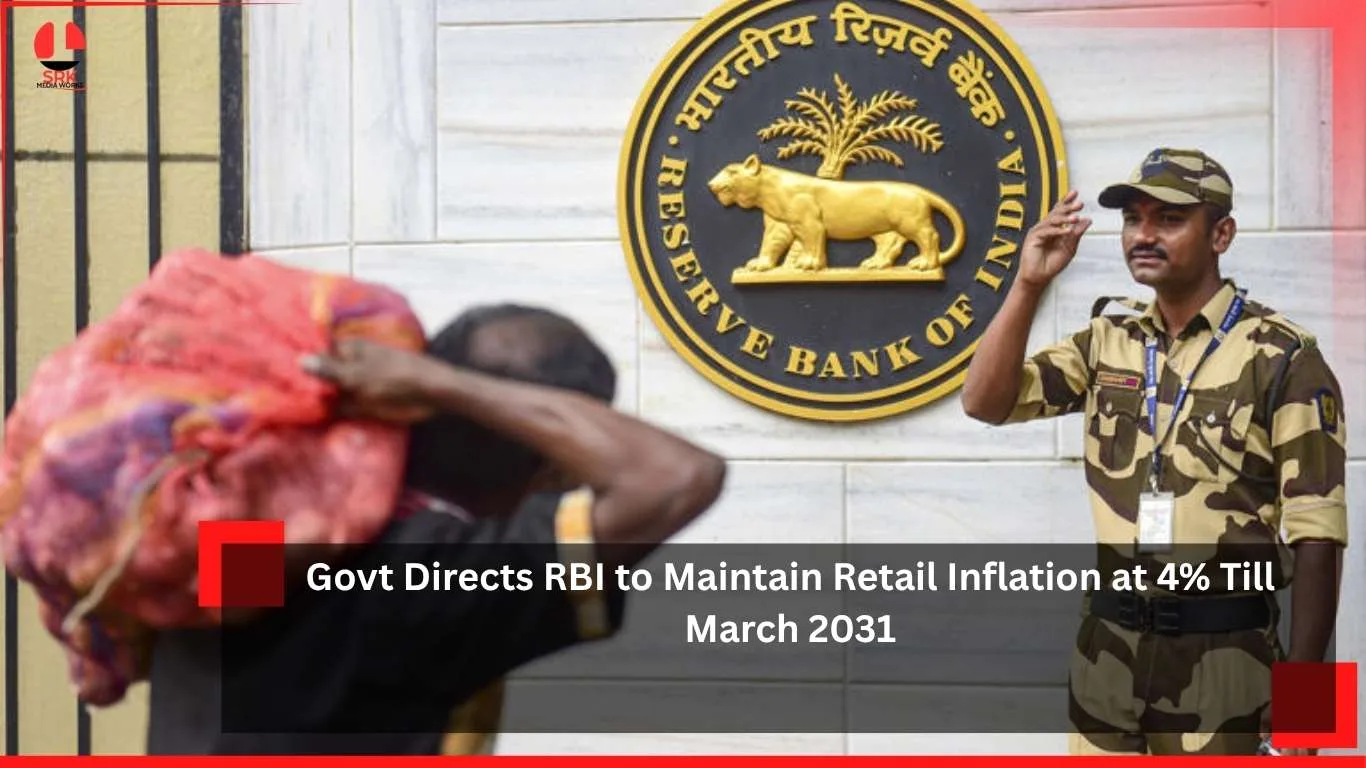






The Reserve Bank of India (RBI) has introduced new broker rules effective April 1, 2026, which are set to reshape the way traders, brokers, and market participants operate in India’s capital markets. These rules, centered around 40% haircuts on pledged securities and cash-only mandates for certain collateral requirements, are designed to strengthen financial stability, reduce systemic risks, and ensure transparency in market operations.
This comprehensive analysis explains what these rules mean, why they were introduced, and how they will impact traders, brokers, and investors in India.
What Are RBI’s New Broker Rules?
The RBI’s new framework focuses on collateral management and margin requirements in trading.
- 40% Haircut on Securities:
Brokers pledging equity shares as collateral will now face a 40% reduction in value. For example, if a broker pledges shares worth ₹1 crore, only ₹60 lakh will be considered valid collateral. - Cash Mandates:
Certain transactions will require cash-only collateral, meaning brokers cannot rely solely on securities or other instruments. This ensures liquidity and reduces risks during market volatility. - Stricter Margin Requirements:
Brokers must maintain higher margins to cover potential losses, reducing the chances of defaults.
Why Did RBI Introduce These Rules?
The RBI’s decision stems from concerns about over-leverage, systemic risks, and market volatility.
- Risk Management: Haircuts ensure that collateral values are conservative, protecting lenders and clearing corporations.
- Liquidity Assurance: Cash mandates guarantee immediate availability of funds during stress events.
- Global Alignment: Similar rules exist in developed markets like the US and EU, where regulators impose haircuts and cash margins to safeguard financial systems.
Impact on Brokers
Brokers are at the center of these changes.
- Higher Costs: Brokers will need more cash reserves, increasing operational costs.
- Reduced Leverage: The ability to borrow against securities is curtailed, limiting aggressive trading strategies.
- Compliance Burden: Brokers must upgrade systems to comply with RBI’s reporting and collateral requirements.
Impact on Traders
For traders, the rules mean:
- Lower Margin Availability: Traders will need more cash to maintain positions.
- Reduced Speculation: High-risk speculative trades may decline due to stricter collateral rules.
- Shift to Safer Assets: Traders may prefer liquid instruments like government bonds or cash over equities for collateral.
Market-Wide Implications
- Volatility Control: Reduced leverage could stabilize markets.
- Liquidity Pressure: Cash mandates may strain liquidity, especially for smaller brokers.
- Institutional Advantage: Large institutions with deep cash reserves may benefit, while smaller players struggle.
Comparative Analysis of Collateral Haircuts
| Collateral Type | Previous Haircut | New Haircut (April 1, 2026) |
|---|---|---|
| Equity Shares | 20% | 40% |
| Government Securities | 5% | 10% |
| Corporate Bonds | 15% | 25% |
| Cash | 0% | 0% |
Broker Cost Analysis
| Broker Size | Average Collateral (₹) | Effective Value Before | Effective Value After | Additional Cash Needed |
|---|---|---|---|---|
| Small | 10 crore | 8 crore | 6 crore | 2 crore |
| Medium | 50 crore | 40 crore | 30 crore | 10 crore |
| Large | 200 crore | 160 crore | 120 crore | 40 crore |
Strategic Adjustments for Brokers and Traders
- Increase Cash Holdings: Brokers must maintain higher cash balances.
- Diversify Collateral: Using government securities may reduce haircut impact.
- Leverage Reduction: Traders must adjust strategies to lower leverage.
- Technology Upgrades: Automated systems for collateral monitoring will be essential.
Global Context
- US Markets: The SEC mandates haircuts on securities pledged as collateral, often higher for volatile assets.
- EU Markets: The European Central Bank enforces strict collateral rules, with cash preferred.
- India’s Alignment: RBI’s move aligns India with global best practices, enhancing credibility.
Long-Term Benefits
- Financial Stability: Reduced risk of broker defaults.
- Investor Confidence: Transparent collateral rules build trust.
- Market Maturity: India’s capital markets move closer to global standards.
Challenges Ahead
- Liquidity Crunch: Smaller brokers may struggle to meet cash mandates.
- Market Participation: Retail traders may reduce activity due to higher costs.
- Implementation Hurdles: Brokers need time and resources to adapt.
Conclusion
The RBI’s April 1 broker rules mark a transformative step in India’s financial regulation. By enforcing 40% haircuts on securities and cash-only mandates, the RBI aims to strengthen market resilience, reduce systemic risks, and align India with global standards. While the transition may be challenging for brokers and traders, the long-term benefits of stability and transparency outweigh short-term difficulties.
Disclaimer
This article is for informational purposes only and does not constitute financial advice. Readers should consult qualified financial professionals before making investment or trading decisions. The analysis is based on regulatory updates and market practices as of March 2026, and future changes may alter the implications discussed.