


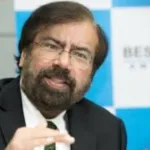



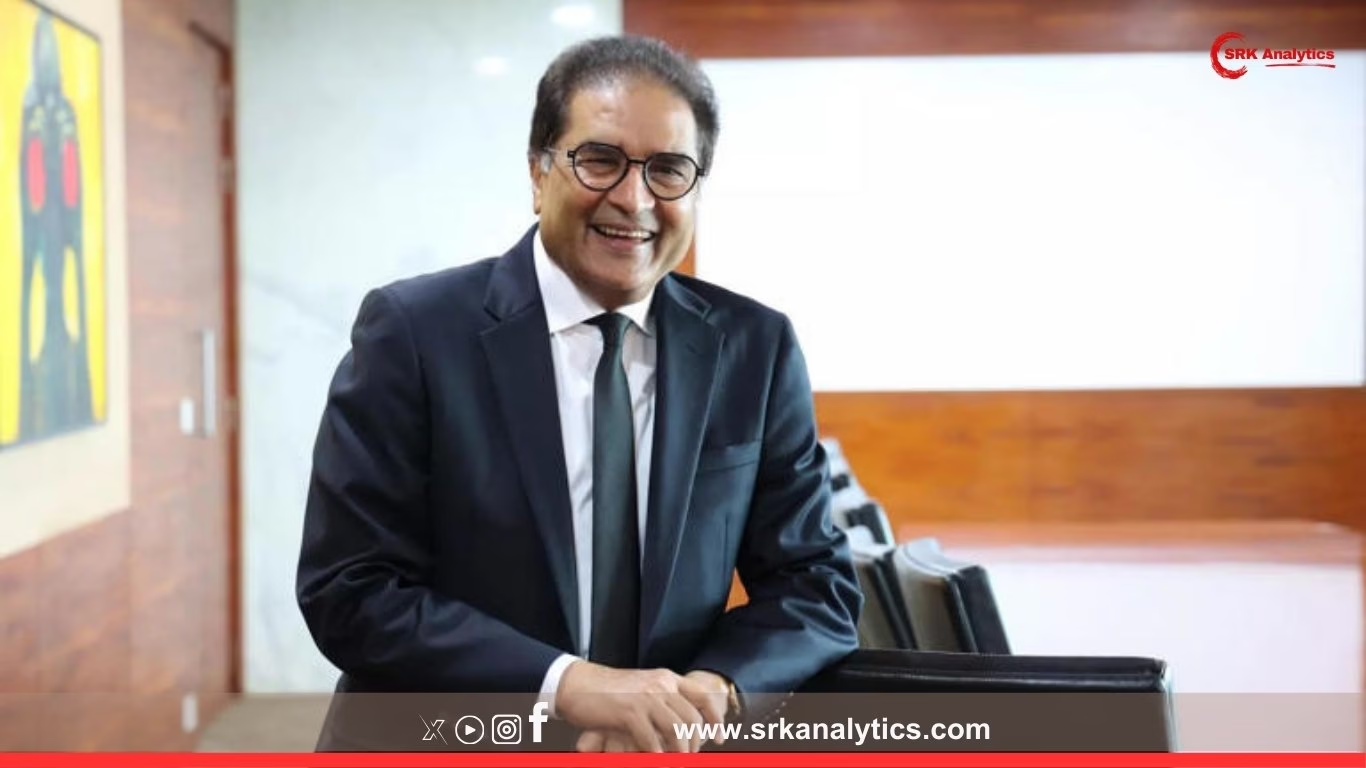
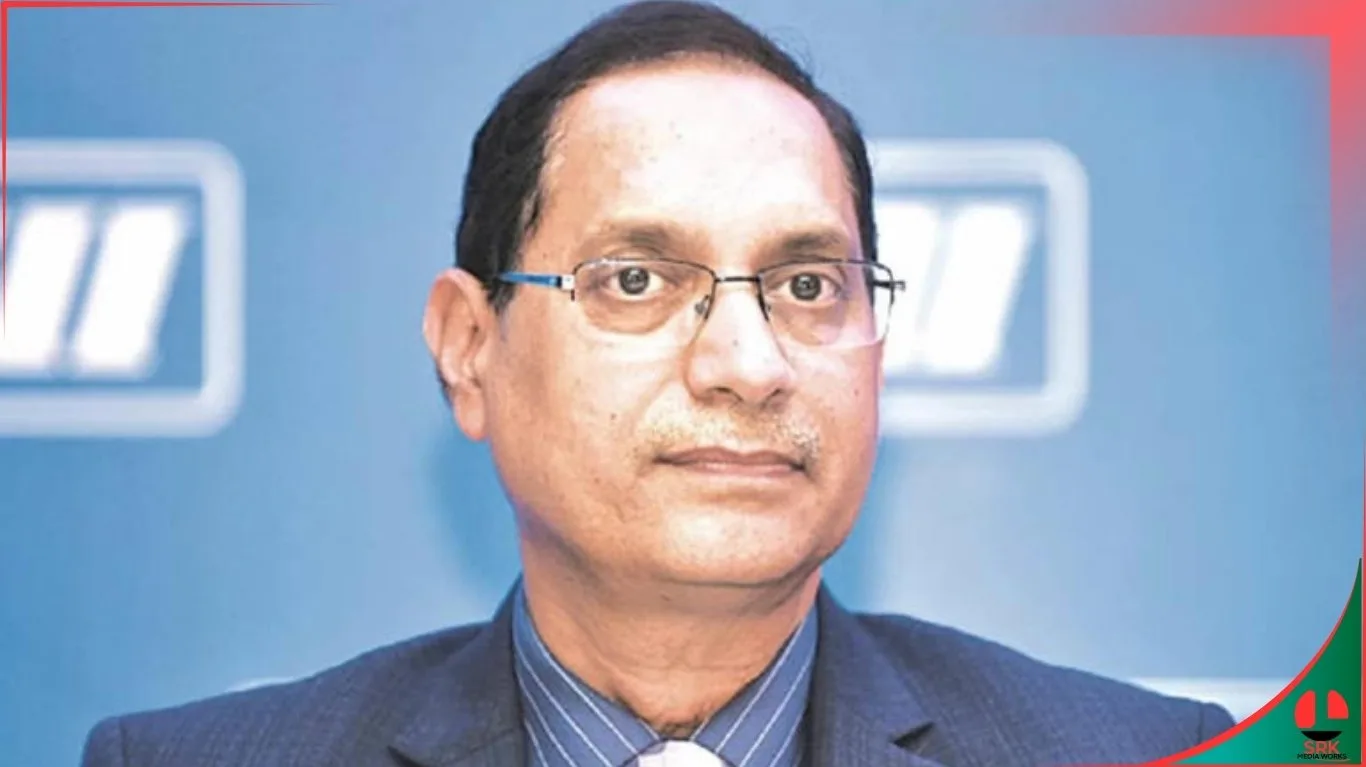
Veteran investor and Motilal Oswal Financial Services Chairman Raamdeo Agrawal has advised investors to adopt a long-term view on Indian equities, projecting a compound annual growth rate (CAGR) of 12–15% over the next 15–25 years. Speaking at his firm’s investor conference on September 4, 2025, Agrawal cautioned against investing with a 5–6 month horizon, stating that short-term expectations are misaligned with the nature of equity markets.
Agrawal emphasized that while index investing can yield 12% returns annually, small-cap and mid-cap allocations may offer slightly higher gains. However, he warned that market volatility, global headwinds, and valuation pressures make short-term investing risky and potentially disappointing.
🧭 Raamdeo Agrawal’s Investment Outlook
| Investment Horizon | Expected CAGR (%) | Strategy Recommendation |
|---|---|---|
| 15–25 years | 12–15% | Index and diversified equity |
| 5–6 months | Unpredictable | Avoid lump-sum deployment |
| 3–5 years | 10–12% | SIPs and staggered allocations |
| 10+ years | 13–15% | Long-term compounding |
Agrawal advised investors sitting on large sums to deploy capital gradually. “If you have ₹12 crore, put ₹1 crore every month. You will be able to average it out and have peace of mind irrespective of what Trump says or does,” he quipped.
🔍 Why Short-Term Investing Doesn’t Work
Agrawal’s caution stems from the inherent unpredictability of equity markets in the short run. Factors such as geopolitical tensions, interest rate shifts, and policy changes can cause sharp fluctuations, making it difficult to time entries and exits.
| Risk Factor | Short-Term Impact | Long-Term Impact |
|---|---|---|
| Global Tariffs | Market volatility | Sectoral realignment |
| Interest Rate Changes | Bond-equity rotation | Earnings normalization |
| Political Uncertainty | Sentiment-driven moves | Policy-driven growth |
| Valuation Cycles | Overvaluation risks | Mean reversion and compounding |
Agrawal noted that investors often get lured by short-term gains but end up making emotional decisions that hurt long-term returns.
📉 Market Trends and Promoter Behavior
Agrawal also commented on the diverging behavior between retail investors and promoters. According to PRIME Database, promoter shareholding fell to 40.58% in Q1 FY2025–26, down from 45.13% three years ago. This trend reflects promoter exits for reasons such as debt reduction, legacy planning, philanthropy, or capitalizing on bullish markets.
| Investor Type | Behavior Trend (2022–2025) | Implication |
|---|---|---|
| Promoters | Selling stake | Liquidity, succession planning |
| Institutions | Selective buying | Valuation-sensitive |
| Retail Investors | Aggressive buying | Sentiment-driven |
| FIIs | Mixed flows | Global macro influence |
Agrawal described this divergence as a “balanced equation,” suggesting that retail enthusiasm must be tempered with caution.
🔥 Policy Recommendations for Economic Stimulus
Beyond market commentary, Agrawal urged the government to push bold reforms in response to global trade pressures. He highlighted GST rationalization as a key step, even if it means sacrificing ₹1 lakh crore in revenue temporarily.
| Reform Area | Agrawal’s Recommendation | Expected Outcome |
|---|---|---|
| GST Structure | Two-slab rationalization | Boost consumption and compliance |
| Tourism Sector | Liberalization | High employment generation |
| Education Sector | Opening up to private capital | Skill development and jobs |
| Export Incentives | WTO-compliant schemes | Trade competitiveness |
Agrawal believes that reforms in high-employment sectors like tourism and education can unlock new growth avenues and support long-term equity returns.
🧠 Expert Commentary and Investor Sentiment
| Expert Name | Role | Comment |
|---|---|---|
| Meera Iyer | Macro Economist | “Agrawal’s long-term view aligns with India’s structural growth story.” |
| Rajiv Bansal | Portfolio Strategist | “Short-term investing is speculative; SIPs offer better outcomes.” |
| Dr. Rakesh Sinha | Market Historian | “12–15% CAGR is realistic if investors stay disciplined.” |
Industry experts agree that Agrawal’s advice reflects decades of experience and a deep understanding of market cycles.
📦 How to Invest for Long-Term Gains
Agrawal recommends systematic investment plans (SIPs), diversified portfolios, and patience. He also advocates the QGLP framework—Quality, Growth, Longevity, and Price—as a guiding principle for stock selection.
| Investment Strategy | Description | Benefit |
|---|---|---|
| SIPs | Monthly investments in mutual funds | Rupee cost averaging |
| Diversified Portfolio | Mix of large-cap, mid-cap, and small-cap | Risk mitigation |
| QGLP Framework | Focus on quality businesses with longevity | Sustainable compounding |
| Avoid Timing the Market | Don’t chase short-term trends | Reduces emotional decision-making |
Agrawal’s firm, Motilal Oswal, has consistently promoted value investing and long-term wealth creation through disciplined strategies.
📌 Conclusion
Raamdeo Agrawal’s projection of 12–15% CAGR for Indian equities over the long term offers a reassuring outlook for patient investors. His warning against short-term investing underscores the importance of discipline, diversification, and staggered allocations. As India navigates global headwinds and domestic reforms, Agrawal’s insights serve as a timely reminder that equity markets reward conviction, not speculation.
—
Disclaimer: This article is based on publicly available interviews and media reports as of September 4, 2025. It is intended for informational purposes only and does not constitute financial, investment, or strategic advice.

optimizr.click – Overall, professional vibe here; trustworthy, polished, and pleasantly minimal throughout.