









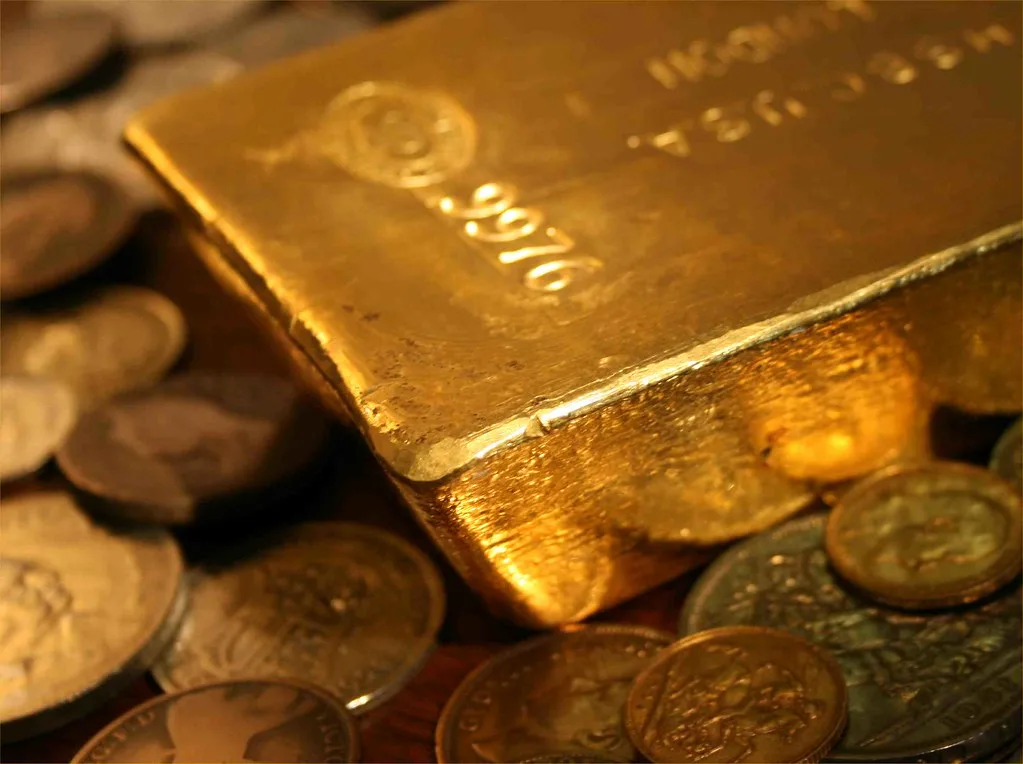
Market Headwinds Impact Precious Metals
Precious metals, led by gold, are experiencing a significant contraction in momentum this week as surging real yields and a strengthening U.S. dollar weigh heavily on investor sentiment. As of mid-week trading, gold prices have retreated from recent highs, reacting to a combination of inflationary pressures driven by volatile oil prices and shifting macroeconomic expectations.
The current market landscape is defined by a flight toward yield-bearing assets, which has historically created a difficult environment for non-yielding commodities like gold. With the U.S. dollar index testing the 99 level, investors are recalibrating their portfolios to favor currency strength over traditional safe-haven hedges.
The Mechanics of Rising Yields
Real interest rates—nominal interest rates minus inflation—serve as a primary driver for gold valuations. When real yields rise, the opportunity cost of holding gold increases, as investors can earn a guaranteed return on government bonds without the risks associated with price volatility in the precious metals market.
This week’s downward trend follows reports of significant price corrections across global markets. In some regions, gold prices have plummeted by over 3,100 rupees, while silver has seen even more drastic declines, shedding nearly 19,000 rupees in value. Analysts note that these movements are largely reactive, triggered by a broader sell-off in commodities as traders digest inflationary fears.
Divergent Sentiments Between Main and Wall Street
A notable disconnect has emerged between institutional and retail participants. Wall Street analysts are increasingly bearish, projecting further declines as technical indicators suggest a breakdown in momentum. Many institutions are bracing for a period of consolidation, pointing to the strength of the dollar as the primary catalyst for the current slide.
Conversely, retail investors on Main Street maintain a stubborn bullish bias. Many view the current price action as a temporary correction rather than a structural shift, with $4,500 identified as a critical support level for long-term holders. This resilience suggests that despite institutional skepticism, retail demand remains a significant floor for the market.
Global Factors and Inflationary Fears
Beyond domestic yield curves, international geopolitical tensions continue to influence commodity pricing. Oil-driven inflation fears remain at the forefront of investor anxiety, as rising energy costs threaten to dampen global economic output. Traders are also closely monitoring diplomatic developments, specifically upcoming high-level talks between global leaders, which could signal shifts in trade policy and market stability.
The interplay between energy prices and monetary policy remains volatile. As central banks navigate the dual mandate of curbing inflation while maintaining economic growth, the precious metals sector will likely remain sensitive to any hawkish shifts in interest rate projections.
Future Outlook and Market Implications
For the industry, the primary concern is whether the current price floor will hold or if a deeper correction is imminent. If real yields continue their upward trajectory, gold may struggle to regain its safe-haven appeal in the short term, potentially leading to increased capital rotation into equities or fixed-income assets.
Market participants should watch closely for the next Federal Reserve policy meeting and upcoming inflation data releases. Any sign that the peak of the current interest rate cycle is approaching could provide the necessary relief for precious metals to stabilize, while further hawkish rhetoric will likely exacerbate existing downward pressure.