



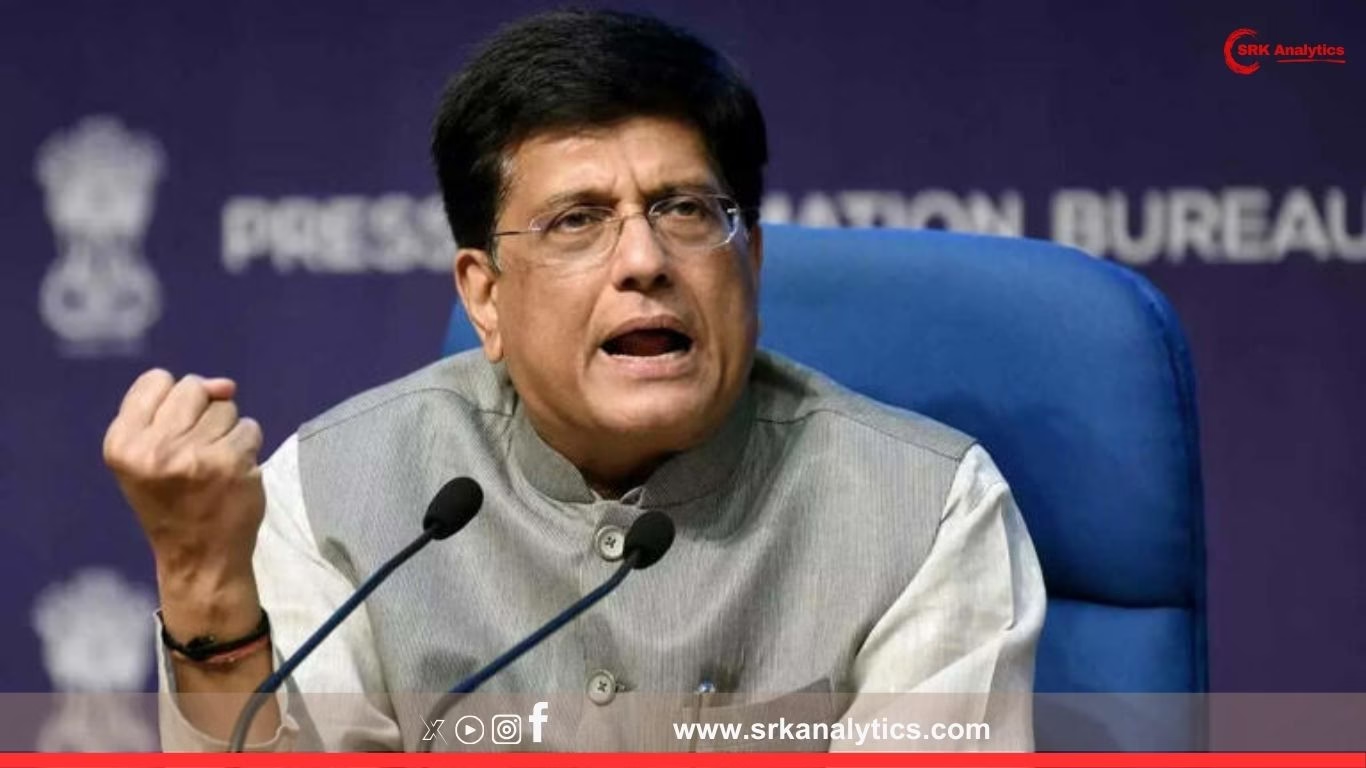
Union Commerce and Industry Minister Piyush Goyal has issued a candid call to Indian businesses, urging them to step out of their “cosy comfort zone” created by the vast 1.4 billion-person domestic market and actively pursue global opportunities. Speaking at the India-UAE Business Interaction event organized by the Confederation of Indian Industry (CII) in Mumbai on August 30, 2025, Goyal emphasized that while India’s internal market has been a strong growth driver, it has also led to complacency among many companies.
The remarks come amid rising concerns over the impact of the United States’ recent 50% tariff hike on Indian exports, particularly in sectors like textiles, gems and jewellery, shrimp, and leather. Goyal, however, remained optimistic, citing India’s 7.8% GDP growth in the June quarter as a “resounding response” to pessimism and a signal of resilience.
🧭 Key Highlights from Piyush Goyal’s Address
| Theme | Statement Summary | Strategic Implication |
|---|---|---|
| Domestic Market Complacency | “1.4 billion market has become a cosy comfort zone” | Urges diversification and global outreach |
| Value Addition Deficit | “We sell rice, not rice puffs; iron ore, not steel” | Push for processed goods and branding |
| Export Resilience | “$46 billion of $87 billion US exports unaffected” | Encourages exporters to stay focused |
| Industry–Government Partnership | “Put pressure on us. Ask for help” | Open call for collaboration and reform |
| Branding India Globally | “Indian fashion missing from global high streets” | Need for global brand presence |
Goyal’s speech was both a critique and a rallying cry, urging India Inc to reimagine its role in the global economy and not be deterred by temporary trade disruptions.
📊 India’s Export Composition and Value Addition Gaps
| Product Category | Current Export Status | Value Addition Potential |
|---|---|---|
| Rice | Raw grain exported widely | Ready-to-eat, puffed rice, branded packs |
| Iron Ore | Bulk raw material exports | High-grade steel, alloy products |
| Textiles | Basic garments and fabrics | Designer wear, branded fashion |
| Seafood | Raw shrimp and fish | Processed, packaged seafood |
| Leather Goods | Unbranded accessories | Premium bags, footwear, global labels |
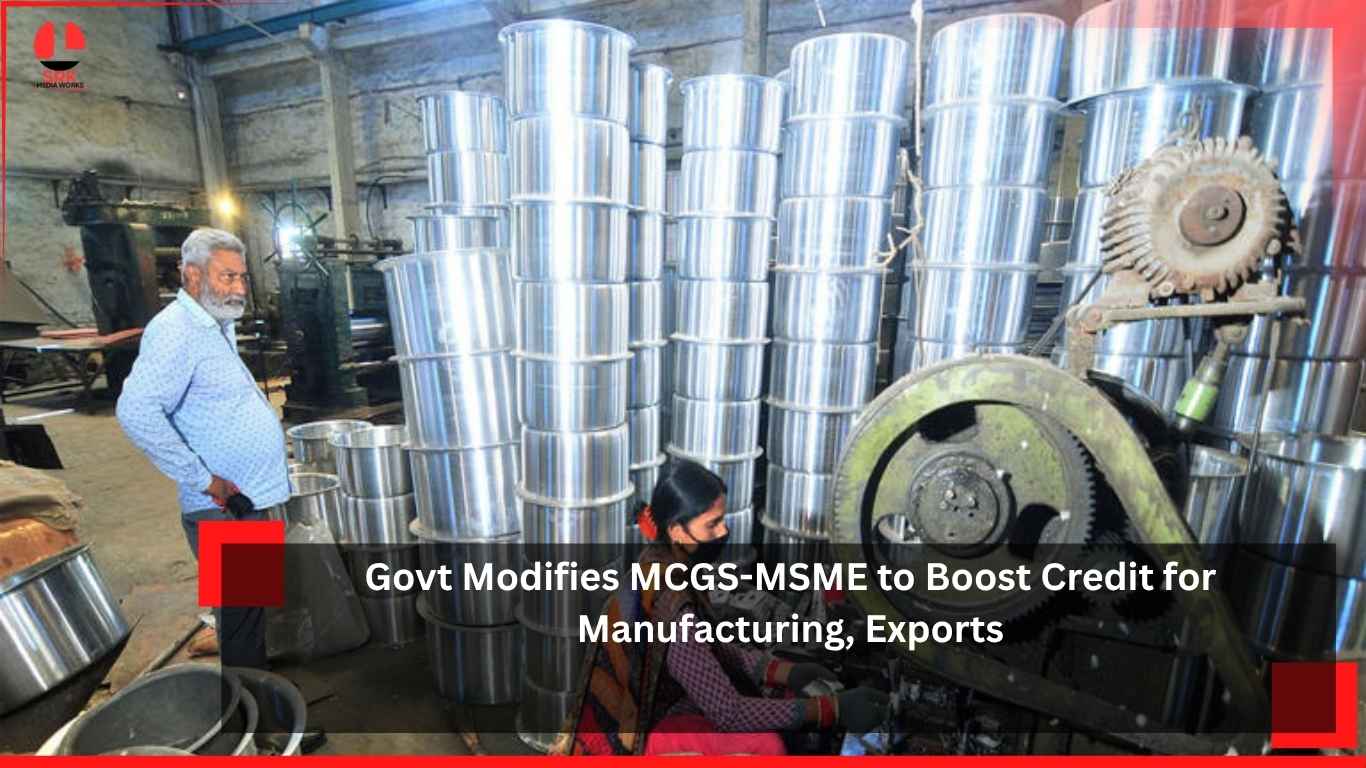
Goyal pointed out that India’s export basket is still dominated by raw or semi-processed goods, and called for a shift toward high-value, branded products that can command better margins globally.
🔍 Domestic Market vs Global Expansion: The Comfort Zone Debate
India’s large and growing domestic market has been both a boon and a barrier. While it offers scale and profitability, it has also led many companies to deprioritize international expansion.
| Factor | Domestic Market Advantage | Global Expansion Challenge |
|---|---|---|
| Consumer Base | 1.4 billion people | Cultural and regulatory diversity |
| Profitability | High margins in urban clusters | Competitive pricing abroad |
| Logistics | Strong internal supply chains | Complex global logistics |
| Brand Recognition | Established local brands | Low global visibility |
| Policy Support | Government incentives | Trade barriers and tariffs |
Goyal urged businesses to overcome these challenges by investing in innovation, branding, and strategic partnerships.
📉 Impact of US Tariffs and India’s Export Outlook
The recent 50% tariff hike by the US has affected key Indian sectors, but Goyal emphasized that a majority of exports remain unaffected and that India’s export performance will continue to grow.
| Sector Affected | Tariff Impact (%) | Export Share to US | Mitigation Strategy |
|---|---|---|---|
| Textiles & Apparel | 50% | 18% | Diversify markets, upgrade quality |
| Gems & Jewellery | 50% | 12% | Focus on Middle East, ASEAN |
| Shrimp & Seafood | 50% | 9% | Explore EU and Japan |
| Leather Goods | 50% | 6% | Branding and e-commerce exports |
| Others (Unaffected) | 0% | 53% | Maintain momentum |
Goyal noted that over $46 billion of the $87 billion exports to the US are not impacted by the tariff hike, and encouraged exporters to remain confident and proactive.
🔥 Industry Reactions and Strategic Recommendations
| Industry Leader | Reaction Summary | Suggested Action |
|---|---|---|
| CII President | “We welcome the minister’s candid remarks” | Expand global footprint |
| FICCI Secretary General | “Time to rethink export strategy” | Invest in branding and value addition |
| ASSOCHAM Chairperson | “Domestic comfort is real, but limiting” | Leverage FTAs and trade missions |
| Startup Founder (AgriTech) | “We need help scaling globally” | Government support for global logistics |
Industry bodies largely welcomed Goyal’s remarks, acknowledging the need for introspection and strategic recalibration.
🧠 Expert Opinions on India Inc’s Global Readiness
| Expert Name | Designation | Comment |
|---|---|---|
| Dr. Rakesh Sinha | Trade Economist | “India Inc must embrace global complexity.” |
| Prof. Meera Iyer | Business Strategy Analyst | “Comfort zone is profitable but unsustainable.” |
| Rajiv Bansal | Export Consultant | “Branding and packaging are key to global success.” |
Experts agree that while India’s domestic market is a strength, it should not become a ceiling for ambition.
📌 Conclusion
Piyush Goyal’s call to India Inc to break free from its domestic comfort zone and pursue global opportunities is both timely and necessary. With India’s economy growing at 7.8% and exports showing resilience despite external shocks, the moment is ripe for businesses to scale beyond borders.
The minister’s emphasis on value addition, branding, and collaboration reflects a broader vision of India as not just a supplier of raw goods, but a creator of globally recognized products and services. As global trade dynamics evolve, India Inc must rise to the challenge and redefine its role in the world economy.
—
Disclaimer: This article is based on publicly available news reports and official statements as of August 31, 2025. It is intended for informational purposes only and does not constitute business, trade, or investment advice.