




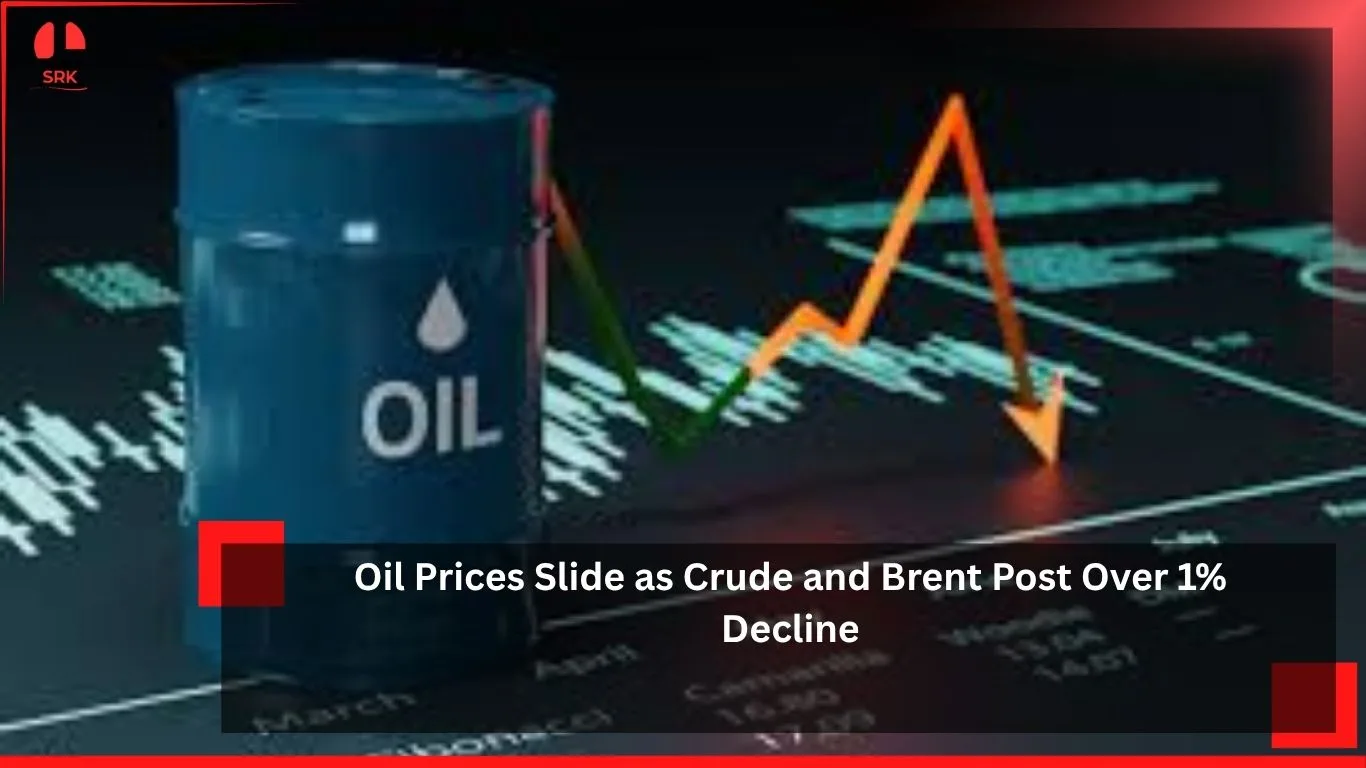
Global oil markets witnessed a notable correction as both crude and Brent benchmarks fell by more than 1% in the latest trading session. The decline reflects a combination of easing demand concerns, geopolitical developments, and profit-booking by investors after recent rallies. Analysts suggest that while short-term volatility may persist, the fundamentals of energy demand remain supportive in the medium term.
Background of the Decline
Oil prices have been highly sensitive to geopolitical tensions, particularly in West Asia. The recent easing of supply fears, coupled with signs of slowing demand in major economies, contributed to the decline. Traders also engaged in profit-booking after a series of gains, leading to a pullback in both crude and Brent futures.
Key Highlights
- Crude Oil: Fell over 1% in global markets.
- Brent Oil: Declined by a similar margin, reflecting synchronized market trends.
- Demand Concerns: Slowing industrial activity in Europe and Asia weighed on sentiment.
- Supply Factors: Stable output from OPEC+ and U.S. shale producers added pressure.
- Investor Strategy: Analysts recommend cautious accumulation during dips.
Comparative Analysis of Oil Benchmarks
| Benchmark | Recent Performance | Key Drivers | Outlook |
|---|---|---|---|
| Brent Crude | Fell over 1% | Global demand concerns, profit booking | Stable with medium-term recovery |
| WTI Crude | Declined by more than 1% | U.S. production stability, demand fears | Volatile but supported by domestic demand |
| OPEC Basket | Marginal decline | Balanced supply from member nations | Likely to remain steady |
| Asian Benchmarks | Mirrored global trends | Slower industrial growth | Dependent on regional demand recovery |
Pivot Analysis: Demand vs Supply Dynamics
| Factor | Demand Impact | Supply Impact | Expected Outcome |
|---|---|---|---|
| Global slowdown | Weakens industrial demand | Reduces upward price pressure | Short-term decline |
| OPEC+ production | Stable output | Prevents supply shocks | Balanced market |
| U.S. shale production | Consistent levels | Adds to global supply | Keeps prices in check |
| Geopolitical tensions | Raises risk premium | Limited disruption currently | Volatility but no major spike |
Implications for Global Markets
- Energy Security: Declining prices ease import costs for major economies.
- Inflation Outlook: Lower oil prices could help moderate inflationary pressures.
- Investor Strategy: Buy-on-dips approach recommended for long-term exposure.
- Emerging Markets: Countries like India benefit from reduced import bills.
Reactions
- Market Analysts: Viewed the decline as a healthy correction after recent rallies.
- Investors: Adopted cautious strategies, balancing short-term volatility with long-term demand prospects.
- Industry Experts: Emphasized that fundamentals remain strong despite temporary weakness.
- Public Sentiment: Positive in oil-importing nations, as lower prices ease inflationary pressures.
Historical Context
Oil markets have often experienced sharp corrections following rallies. Past episodes show that geopolitical tensions and demand fluctuations drive short-term volatility, while long-term fundamentals such as infrastructure growth and industrial expansion support recovery. The current decline mirrors these historical patterns.
Challenges Ahead
- Geopolitical Risks: Continued tensions in West Asia could trigger fresh volatility.
- Global Demand: Slower growth in Europe and Asia may weigh on recovery.
- Supply Adjustments: OPEC+ decisions will remain critical in balancing markets.
- Energy Transition: Rising focus on renewables may gradually reshape demand dynamics.
Conclusion
The slide in oil prices, with crude and Brent posting over 1% declines, reflects a mix of demand concerns, stable supply, and profit-booking. While short-term volatility is likely to persist, analysts believe the medium-term outlook remains supportive, driven by infrastructure growth and industrial demand. For investors and policymakers, the correction offers both relief and caution, underscoring the need to balance immediate gains with long-term energy strategies.
Disclaimer
This article is based on publicly available reports and expert commentary. It does not represent official company statements or insider accounts. Readers should interpret the content as journalistic analysis, recognizing that commodity markets are subject to volatility and geopolitical developments can rapidly change outlooks.