




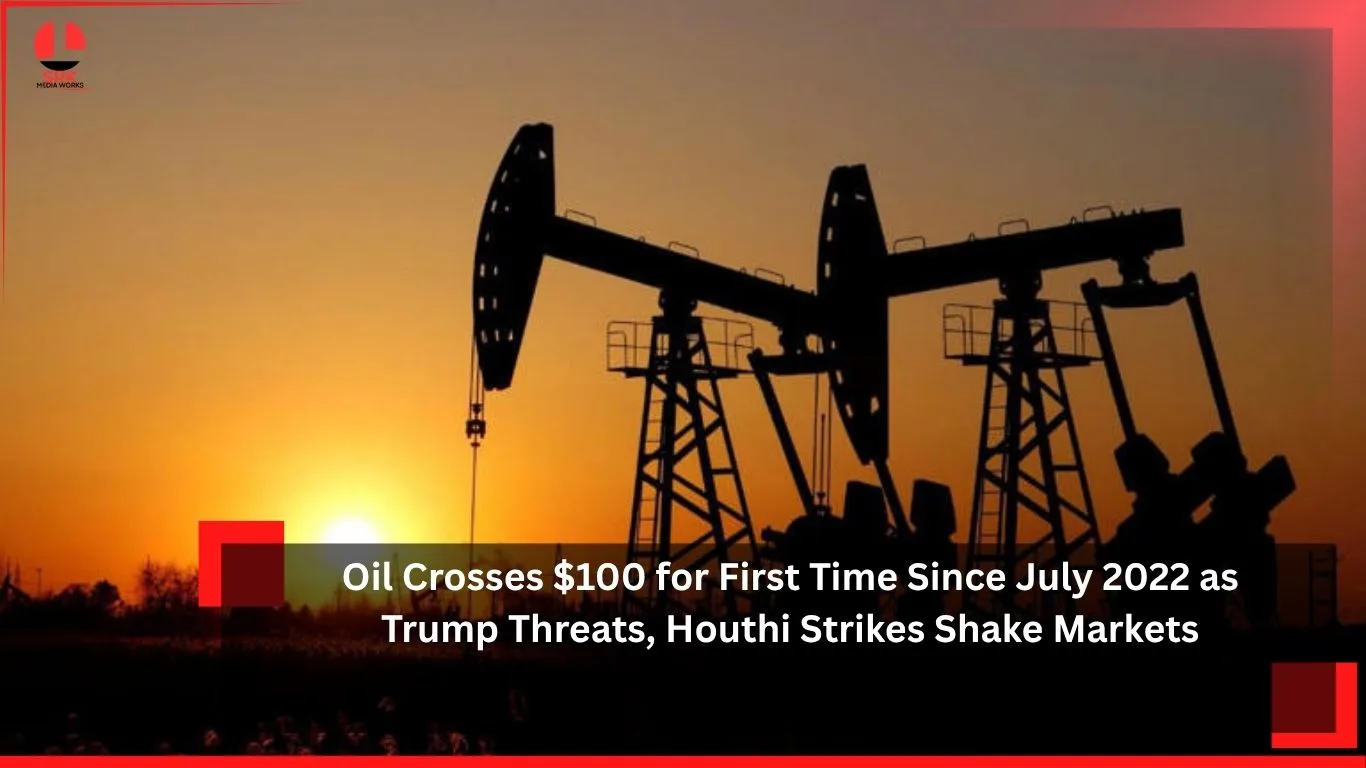
Global oil prices surged past the $100 per barrel mark for the first time since July 2022, driven by escalating geopolitical tensions and supply disruptions. Brent crude futures climbed above $112, while West Texas Intermediate (WTI) crossed $105, sparking concerns about inflationary pressures and energy market instability worldwide.
Key Drivers Behind the Surge
Trump’s Threats on Iran
President Donald Trump’s recent remarks about “taking the oil in Iran” have rattled global markets. His aggressive stance has heightened fears of direct U.S. involvement in Middle East conflicts, raising the risk of supply disruptions in one of the world’s most critical energy corridors.
Houthi Strikes in the Gulf
Houthi rebels have intensified attacks on oil tankers and infrastructure in the Gulf region, disrupting shipping routes near the Strait of Hormuz. This chokepoint handles nearly 20% of global oil trade, making any instability there a direct threat to supply security.
Supply Chain Disruptions
With tensions escalating, traders are pricing in potential shortages. Insurance premiums for shipping have risen, and refiners are scrambling to secure alternative supplies.
Investor Sentiment
The surge in oil prices has also been fueled by speculative trading, with investors viewing commodities as a hedge against geopolitical risk and inflation.
Timeline of Events
| Date | Event | Impact |
|---|---|---|
| July 2022 | Oil last crossed $100 | Inflationary pressures globally |
| March 2026 | Trump issues threats on Iran | Market volatility spikes |
| March 2026 | Houthi strikes disrupt Gulf supply | Brent crude surges past $112 |
| March 2026 | Oil crosses $100 again | Renewed fears of inflation |
Comparative Analysis: Oil vs Other Commodities
| Commodity | Current Trend | Impact |
|---|---|---|
| Oil | Rising sharply above $100 | Inflationary risk, supply concerns |
| Gold | Rising moderately | Safe-haven demand |
| Natural Gas | Volatile | Regional supply disruptions |
| Industrial Metals | Mixed | Dependent on global demand |
Global Market Reactions
- Stock markets: Equity indices across Asia and Europe fell as investors worried about higher energy costs.
- Currency markets: Oil-importing nations saw pressure on their currencies, while exporters gained.
- Bond markets: Yields rose as inflation expectations increased.
Implications for India
India, as one of the largest oil importers, faces significant challenges:
- Rising import bill: Higher crude prices will widen the current account deficit.
- Inflationary pressures: Fuel costs will push consumer prices higher.
- Policy challenges: The government may need to balance subsidies and fiscal discipline.
Conclusion
The crossing of $100 per barrel marks a critical moment for global energy markets. With Trump’s threats and Houthi strikes adding fuel to geopolitical uncertainty, oil prices are likely to remain volatile in the near term. For importing nations like India, the surge poses economic risks, while exporters may benefit from higher revenues. The world now faces the dual challenge of managing inflation and navigating geopolitical instability.
Disclaimer
This article is based on reported market trends, geopolitical developments, and independent financial analysis. It does not confirm or deny specific government policy decisions or trading data. Readers should treat the content as interpretative reporting rather than definitive market documentation.